To become and market ourselves as an investor-friendly real estate agent, we need to do much more than add “investment property specialist” to a bio. Real estate investors can usually tell within a few minutes whether we understand their world or whether we are simply hoping they buy something through us.
Traditional buyers ask, “Can I see myself living here?” Investors ask, “Will this property make money, preserve capital, solve a problem, or create upside?” That difference changes everything: how we search, how we analyze, how we communicate, how we negotiate, and how we market our services.
If we were building a real estate business from scratch today, becoming a real estate agent for investors would be one of the first niches we would seriously consider. Not because traditional buyers and sellers are bad clients—they are the backbone of many great businesses—but because investor clients can buy repeatedly. A homeowner may transact once every seven to ten years. A serious investor may buy three, five, ten, twenty, or even one hundred properties in a year.
That is the opportunity: if we become the agent who understands ARV, repair costs, cash flow, cap rate, rental income potential, financing, distressed properties, and exit strategies, we stop being “another Realtor” and become part of the investor’s deal flow, advisory team, and profit engine.
An investor-friendly real estate agent is an agent who understands how real estate investors evaluate, acquire, improve, rent, refinance, or resell properties for profit. We are not just opening doors or sending MLS links. We are helping investors make faster, smarter, better-supported decisions.
A traditional buyer may care about layout, finishes, schools, commute, yard size, emotional fit, and lifestyle. A real estate investor cares about numbers, risk, timeline, financing, and exit strategy.
As an investor-friendly Realtor, we should understand topics like:
The best investor-friendly agents become the investor’s eyes and ears in the local real estate market. We know which streets perform better, where rentals lease quickly, where foundation issues are common, where permits are painful, where buyers are picky, and where the numbers simply do not work.
Most agents are taught to market to friends, family, neighbors, past coworkers, and everyone in their sphere. That advice is not wrong. Our sphere matters. But many traditional clients are one-off transactions: someone buys, sells, relocates, or downsizes, and then we may not see another transaction for years.
Investors are different. Their business depends on continuously finding and acquiring opportunities. After one closing, their next question is often, “What else do you have?”
That creates a more repeatable real estate business model. On a single investment property, we may have the opportunity to earn:
We will not capture every side of every transaction, and we should never force an arrangement that creates legal or ethical problems. But the point is simple: investor clients can create long-term relationships, repeat closings, referrals, and a stronger position in the local investment property market.
Investors also tend to be more numbers-driven. If the deal works, they move. If it does not, they pass. That does not mean they are easy clients, but it does mean the conversation is usually more objective. They value speed, competence, data, and access.
The first step to becoming an investor-friendly real estate agent is learning to think like an investor. The biggest mistake we can make is assuming that “discounted” automatically means “good investment.”
For example, imagine a property that appears to be worth $500,000 retail, and we think we can get it for $460,000. A traditional buyer might get excited about $40,000 in apparent equity. A flipper may see a terrible deal.
Why? Because a flipper is not only comparing current price to retail value. They are looking at:
That $40,000 “discount” can disappear fast. A good investor-friendly agent knows how to run a quick litmus test before wasting everyone’s time.
Before sending a property to an investor, we should ask:
A great real estate agent for investors does not send every cheap or ugly property. We filter. That filtering is what makes us valuable.
We do not need to become institutional financial analysts overnight, but we do need to speak the language of investors. If an investor asks about cap rate, cash-on-cash return, ARV, or DSCR and we freeze, we lose credibility quickly.
ROI measures how much profit an investment generates compared with its cost.
ROI = Profit ÷ Total Investment
Investors use ROI to compare opportunities. A property is not attractive just because it is affordable; it must produce a return that justifies the risk and capital.
ARV is the estimated resale value of a property after it has been renovated. This is one of the most important numbers for fix-and-flip investors, BRRRR investors, and value-add buyers.
To estimate ARV, we compare the subject property to similar renovated properties that recently sold. We need to consider location, square footage, bedroom count, bathroom count, lot size, garage or parking, condition, renovation quality, school district, days on market, and buyer concessions.
We should never compare a distressed property directly to a renovated comp and act like they are equal. The distressed property needs money, time, labor, and risk to reach the renovated value.
Cap rate, or capitalization rate, is commonly used for income-producing properties.
Cap Rate = Net Operating Income ÷ Purchase Price
Net operating income, or NOI, is income after operating expenses but before debt service.
| Example Item | Amount |
|---|---|
| Annual rental income | $36,000 |
| Annual operating expenses | $12,000 |
| Net operating income | $24,000 |
| Purchase price | $300,000 |
| Cap rate | 8% |
Cash flow is the money left after rental income pays operating expenses and debt service.
Cash Flow = Rental Income - Operating Expenses - Mortgage Payment
Positive cash flow means the property produces money each month. Negative cash flow means the investor contributes money to hold the property.
Cash-on-cash return measures annual pre-tax cash flow compared with the actual cash invested.
Cash-on-Cash Return = Annual Pre-Tax Cash Flow ÷ Total Cash Invested
This matters because many investors use leverage. A property with a modest cap rate may still produce an attractive cash-on-cash return depending on financing.
The 70% rule is a common quick-screening formula for house flippers.
Maximum Offer = ARV × 70% - Repair Costs
For example, if a property will be worth $1,000,000 after renovation and repairs are estimated at $100,000, a flipper may need to buy closer to:
$1,000,000 × 70% - $100,000 = $600,000
If the seller wants $850,000, that probably is not a fix-and-flip deal for that investor. The rule is not universal, and every market is different, but it gives us a starting point for fast investment property analysis.
A 1031 exchange allows an investor, under specific rules, to defer capital gains taxes by selling one investment property and buying another qualifying investment property. We should not give tax advice, but we should know when to refer clients to a qualified intermediary, CPA, or tax professional.
Net present value, or NPV, is a more advanced concept that accounts for the time value of money. We may not use it every day with small residential investors, but understanding the term helps us communicate with more sophisticated real estate investment clients.
Investors do not want us to simply forward listings and say, “Thoughts?” That is one of the fastest ways to look like every other general agent. If we want to attract investor clients and keep them, we need to present opportunities with context.
A strong investor deal summary may include:
Even if our numbers are estimates, the structure shows professionalism. We should always clarify that investors must verify assumptions and consult the appropriate professionals. Our role is to help analyze and organize information, not guarantee returns.
Not all investors want the same thing. This is where many agents get into trouble. A deal that makes sense for a landlord may be terrible for a flipper. A property that works for a BRRRR investor may be too complicated for a turnkey rental buyer. A creative finance investor may love a situation that a cash buyer avoids.
To become an investor-focused real estate agent, we need to identify the investor’s strategy early.
Fix-and-flip investors buy properties below market value, renovate them, and resell them for profit. They care about purchase price, ARV, repair costs, speed, permits, design, buyer demand, days on market, holding costs, and resale strategy.
Flippers often say they make money when they buy, not when they sell. In practical terms, if they overpay on the front end, a beautiful renovation may not save the deal.
As a fix-and-flip agent, we should help evaluate:
We also need to understand how investors add value. Basic cosmetic flips—paint, flooring, kitchen, bathrooms, and landscaping—are easy to understand, which means they are also competitive. More sophisticated investors may create value by converting a two-bedroom, one-bath home into a three-bedroom, two-bath home, reconfiguring a floor plan, adding a bathroom, opening a kitchen, improving natural light, or converting a garage when local rules support it.
Those changes can shift the entire buyer demographic. A two-bedroom home may appeal to a small household. A three-bedroom, two-bath home may appeal to families and command a stronger resale value. But these strategies require awareness of permits, code requirements, HVAC, electrical, plumbing, parking, appraisal impact, and buyer preferences.
Buy-and-hold investors acquire rental properties for long-term income, appreciation, tax benefits, and equity growth. They may want single-family rentals, duplexes, small multifamily properties, apartment buildings, or short-term rental properties.
Landlords usually care about:
Overestimating rent is one of the fastest ways to lose trust. Investors would rather hear conservative, well-supported rental comps than inflated projections that make a deal look better than it is.
BRRRR stands for Buy, Rehab, Rent, Refinance, Repeat. These investors need properties they can improve, rent out, refinance based on the improved value, and then pull some or all of their capital back out.
BRRRR investors care about both ARV and rental income. If the property does not appraise high enough after renovation, the refinance may fail. If the rent does not support the new loan, the cash flow may disappear.
When working with BRRRR investors, we should understand:
Short-term rental investors focus on nightly or weekly rental income through platforms such as vacation rental sites. These clients care about occupancy, average daily rate, seasonality, amenities, local regulations, cleaning costs, furnishing costs, guest demand, parking, and management.
Before we encourage a client to buy a short-term rental, we need to understand local restrictions. Some cities, condo associations, and neighborhoods limit or prohibit short-term rentals. A property can look incredible on a spreadsheet and still fail if regulations do not allow the use.
Wholesalers contract properties at a discount and assign the contract or resell the opportunity to another investor. If we work around wholesalers, we need to understand as-is comps, ARV comps, assignment spreads, buyer demand, and what local investors are actually paying.
One useful concept is average investor price: the average price investors are paying for similar distressed properties in a specific area. If investors are consistently buying similar properties for $40,000, a wholesaler may not be able to sell one for $60,000 unless there is a strong reason.
Creative finance investors may use seller financing, subject-to structures, lease options, master leases, or other strategies. These investors often solve problems that traditional buyers cannot.
For example, if a seller owes too much to sell conventionally and cannot bring money to closing, a creative finance investor may be able to structure a solution that relieves the seller’s burden while creating cash flow. We do not need to master every creative strategy immediately, but understanding the basics helps us recognize more possible solutions.
Investors rely heavily on local market conditions. They can pull listing data themselves. What they need from us is intelligence they cannot easily see from a portal.
We should know:
This is where area specialization becomes a major advantage. Serious investors often prefer a real estate investment specialist who knows a specific market deeply rather than a generalist who claims to work everywhere.
A property can look like a great deal until local knowledge changes the picture. Maybe the area has land movement issues. Maybe insurance is difficult. Maybe permits are slow. Maybe one side of a neighborhood rents quickly while the other side sits. Maybe a specific street has parking problems that hurt resale demand.
That kind of knowledge can save an investor from a disastrous purchase. Investors do not need us to know everything everywhere. They need us to know our chosen market extremely well.
If we want to become a rental property agent or buy-and-hold real estate agent, we must study rents constantly. Rental income potential is one of the most important numbers in investment property analysis.
We should research:
Instead of saying, “This is a good rental area,” we should aim for something more specific:
“Three-bedroom rentals within a half-mile of this property are leasing between $2,050 and $2,250 per month, with most sitting less than three weeks when priced correctly. Demand is strongest from commuters because of train access, but parking is a common objection on this side of the neighborhood.”
That level of detail signals that we are an investment-savvy real estate agent, not just someone repeating generic market commentary.
Traditional buyers often run from problems. Investors often look for them—as long as the numbers work.
Some of the best investor opportunities come from properties with issues that scare retail buyers and average agents, such as:
A regular agent may see a cracked foundation and think, “This is unsellable.” An investor-friendly agent thinks, “What will this cost to fix, and is there enough discount to make it worthwhile?”
If a seller receives a $50,000 foundation repair estimate, an investor may negotiate based on that number. But if the investor has a trusted foundation contractor who can complete the work properly for $20,000, the problem may become a profit opportunity. Problems create discounts. Discounts create margin. Margin creates profit.
Our job is not to be scared by every problem. Our job is to understand which problems our investors are comfortable solving and which ones are outside their buy box.
One of the biggest values we can bring as an investor-friendly real estate agent is access to a strong vendor network. Investors need people. Lots of people.
Our investor network should include:
For newer investors especially, our network may be just as valuable as our MLS access. If their contractor disappears, can we introduce options? If they need hard money, do we know lenders? If they need a title company that understands investor transactions, assignments, or back-to-back closings, can we help point them in the right direction?
We should recommend vendors responsibly. We should not guarantee someone else’s work unless we are prepared to take responsibility for it. A smart approach is to maintain multiple options and encourage clients to perform their own due diligence.
Investment property financing can be more complex than owner-occupant financing. We do not need to act as lenders, but we should understand common options so we can communicate intelligently and connect clients with the right professionals.
| Financing Type | Common Use | What We Should Know |
|---|---|---|
| Cash | Fast acquisitions, auctions, distressed properties | Proof of funds matters, but cash buyers still care about returns. |
| Conventional loans | Single-family rentals and small multifamily properties | Requirements may become stricter as investors finance more properties. |
| Hard money loans | Fix and flip, BRRRR, short-term projects | Rates and fees are higher, so speed and holding costs matter. |
| Private money | Flexible investor funding | Terms vary widely and should be documented carefully. |
| Portfolio loans | Multiple properties or nonstandard scenarios | Local banks may keep these loans in-house and offer more flexibility. |
| DSCR loans | Rental properties | Lenders focus heavily on whether rental income supports the debt. |
| Seller financing | Creative finance and problem-solving | Terms, due-on-sale risk, legal documentation, and disclosures matter. |
Financing affects the offer, timeline, risk, and profitability. Hard money, for example, can help a flipper close quickly, but every extra month of holding time increases interest costs. That means permit delays, contractor delays, and slow resale timelines directly reduce profit.
If we want to work efficiently with real estate investors, we need to know their buy box. We should not rely on memory or vague conversations. We need a repeatable investor intake process.
Ask questions like:
Then we document everything. The better we understand an investor’s criteria, the less time we waste and the more useful we become.
Once we have the knowledge and systems, we need to market ourselves clearly. Investors need to see that we are not just general agents who happen to like investment properties. They need to see proof that we understand their goals.
Some of the best places to find investor clients include:
Foreclosure auctions can be especially useful because the people bidding are often real, active investors. They have capital, they understand urgency, and they are already buying. We can watch who shows up consistently, learn who the players are, and start conversations without overcomplicating it.
“We focus on helping local investors find value-add properties. We would love to learn what you buy, where you buy, and what numbers you need so we can bring you opportunities that actually fit your criteria.”
Our friends, family, and past clients may know investors, but they cannot refer what they do not understand. Instead of saying, “We help with real estate,” we should say something more specific:
“We help real estate investors find rental properties, value-add opportunities, and fix-and-flip projects. If you know anyone looking to buy investment property, we would love an introduction.”
Property managers, contractors, hard money lenders, insurance agents, accountants, attorneys, title companies, and other agents can all become sources of real estate investor leads. The key is to bring value first. We can share market data, introduce resources, attend events, and become known as the agent who understands investment property.
Marketing ourselves as an investor-friendly agent is about specificity. Generic claims do not work. Every agent says they are hardworking, knowledgeable, and client-focused. Investors need to know what problem we solve.
Instead of saying:
“We help buyers and sellers with all their real estate needs.”
Say:
“We help real estate investors identify, analyze, and acquire rental and value-add properties using local market data, rental comps, sales comps, ARV estimates, and investor-focused offer strategy.”
That is specific. It speaks to outcomes investors care about.
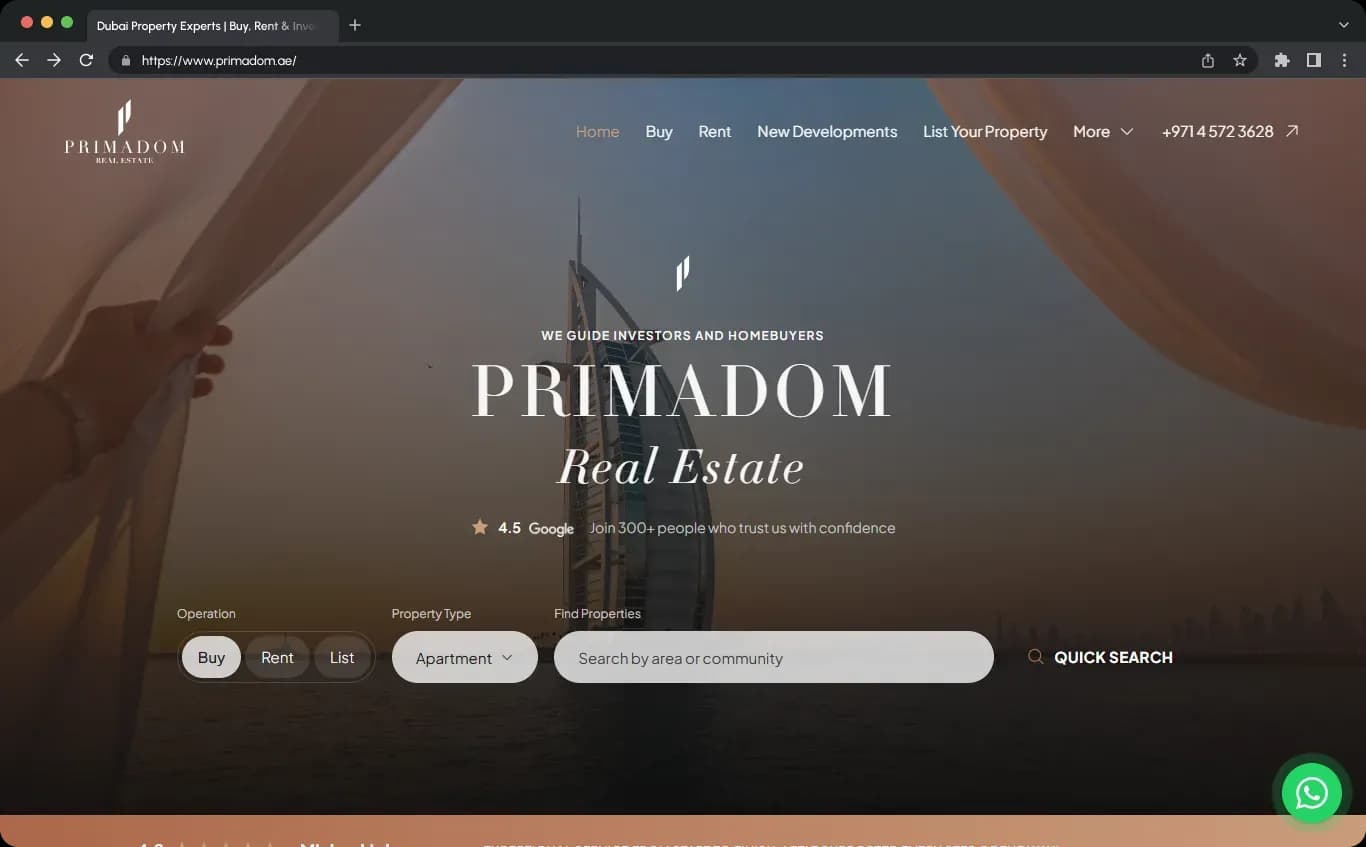
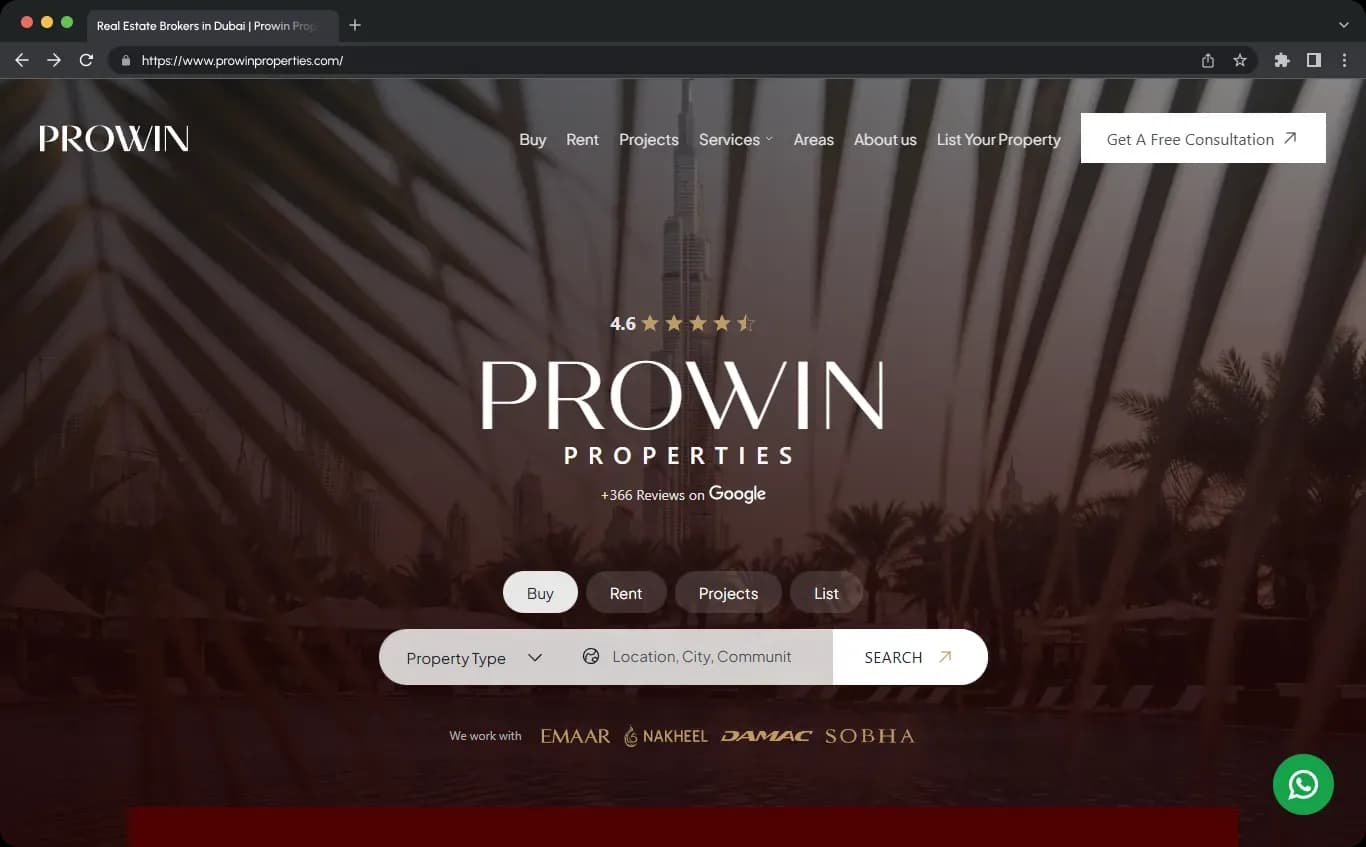
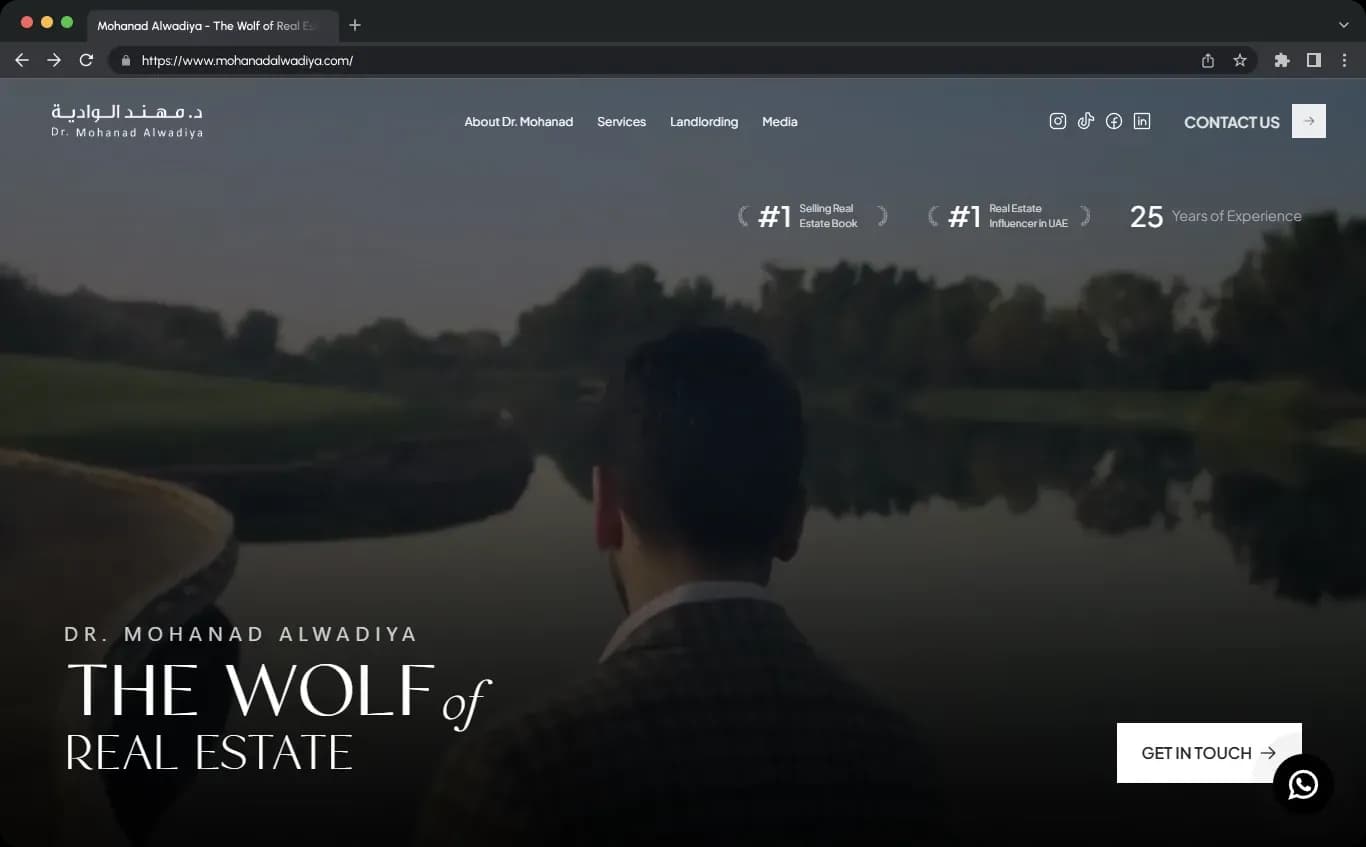
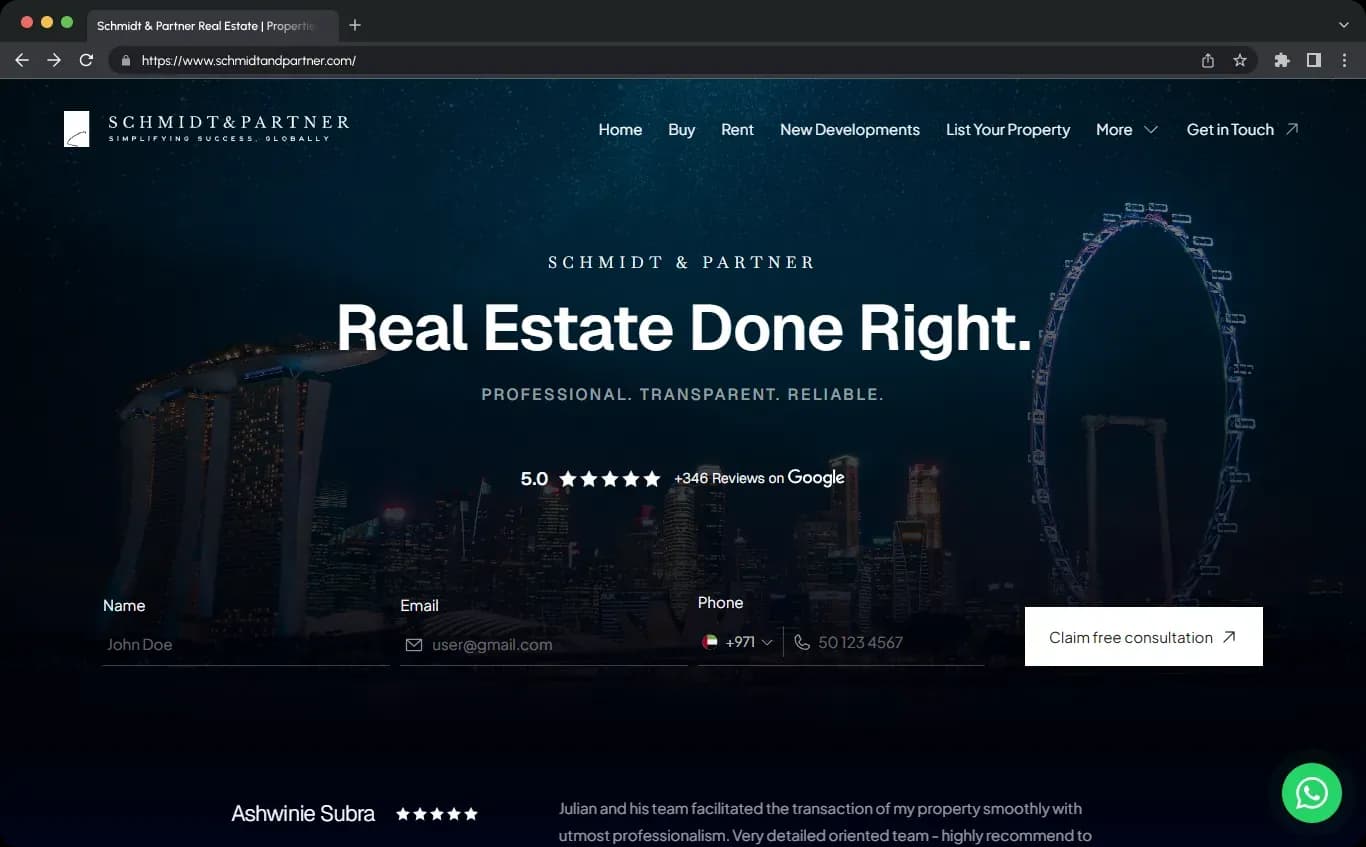
Our website should make it obvious that we work with investors. Consider adding:
One of the best ways to generate real estate investor leads is to publicly demonstrate how we think. We can break down deals even when they do not work.
“This property is listed at $275,000. Renovated comps support around $350,000. Estimated repairs are $45,000. Using a 70% ARV rule, a flipper would need to be closer to $200,000 before repairs, so this likely does not work as a flip at the current price. However, it may work as a long-term rental if rents support the payment.”
That kind of content shows investors that we understand the difference between a cheap house and a profitable property.
Social proof matters. If our marketing feels needy—“Please hire us, we are the best”—we lower our perceived value. Instead, we should show ourselves actively solving investor problems.
Post content such as:
Do not just post “Just Sold.” Tell the story: what the investor wanted, what properties were analyzed, why the deal made sense, what risks existed, and what the outcome was.
We do not need every investor. We need the right investors. Scarcity and focus can improve our positioning.
“We work with a limited number of serious investors each quarter so we can provide detailed deal analysis, local market support, and responsive acquisition guidance.”
This filters out unserious people and signals that we treat investor clients professionally.
Our pitch should be short, specific, and useful. Investors do not need hype. They need competence.
“We are real estate agents specializing in investor-friendly opportunities in our local market. We help flippers and landlords analyze properties based on ARV, repair scope, rent potential, cash flow, and resale demand. If you tell us your buy box, we can start filtering opportunities and only send properties that match your numbers.”
“We are building our business around investor clients, so we are focused on ARV analysis, rental comps, rehab estimates, and local distressed property trends. We work closely with our broker, lenders, contractors, and vendor network to help investors screen opportunities and avoid wasting time on properties that do not fit.”
“Investor-friendly real estate agents helping local buyers identify, analyze, and acquire rental properties, value-add deals, and fix-and-flip opportunities using sales comps, rental comps, ARV estimates, and market insight.”
“We work with real estate investors who are looking for rental properties, distressed opportunities, and value-add projects. If you meet clients who need an agent who understands investor numbers, financing timelines, repair scope, and exit strategy, we would be happy to be a resource.”
Most agents are trained for retail real estate. That means we can stand out quickly by developing investor-specific competence.
Ways to differentiate ourselves include:
Investor-friendly agents are valuable on the disposition side too. Flippers need speed because every extra month on market costs money. If we understand resale pricing, buyer preferences, design choices, staging, and market timing, we can help investors protect profit when they sell.
Many agents want to attract investor clients, but they make mistakes that destroy credibility.
Investors do not want every low-priced property. They want properties that match their numbers. If we send listings without understanding their strategy, we become noise.
Inflated numbers may make a deal look good temporarily, but they damage trust. We should be conservative, data-driven, and transparent about assumptions.
A property that looks profitable before repairs may fail once renovation costs are included. We should learn ballpark repair pricing by walking properties with contractors, investors, and inspectors.
Cash, hard money, conventional financing, DSCR loans, portfolio loans, and seller financing all affect the deal differently. Financing impacts offer strength, timing, holding costs, and risk.
Investors do not need the same emotional sales approach. They need speed, data, clarity, and honest risk assessment.
The label means nothing unless we can back it up. We should build competence first, then market it aggressively but honestly.
If an investor tells us they need to buy at 70% of ARV minus repairs and we keep sending properties at 90% of ARV, they will stop taking us seriously. Some learning curve is normal, but we must learn from feedback quickly.
Investor transactions can create legal and ethical complexity. We need to know our state laws, brokerage policies, agency rules, disclosure obligations, and fiduciary duties.
For example, if we help an investor buy a property and later help sell the renovated property, we need to handle agency relationships carefully. If we also try to represent the resale buyer, dual agency or designated agency issues may arise depending on local law and brokerage policy.
We should also be careful with:
We should never say, “This deal is guaranteed to make money.” Better language is:
“Based on the available comps and assumptions, this property may fit your criteria, but all numbers should be verified with the appropriate professionals before making a final decision.”
Becoming an investor-friendly real estate agent is not a one-time decision. It is a daily practice.
| Frequency | Investor-Friendly Habits |
|---|---|
| Daily | Review new listings, check price reductions, monitor rentals, study recent sales, look for distressed indicators, and analyze at least one potential deal. |
| Weekly | Send curated investor deal lists, update rental comps, attend networking events, review foreclosure or HUD opportunities, and follow up with lenders or contractors. |
| Monthly | Create investor market reports, update vendor lists, review missed opportunities, host a small meetup or webinar, and refine marketing messages. |
Investors reward consistency. The agent who keeps showing up with useful information becomes memorable.
If we want a simple action plan, we can follow this roadmap.
Use this checklist to evaluate whether we are truly ready to market ourselves as a real estate agent for investors.
An investor-friendly real estate agent is an agent who understands how investors evaluate properties for profit. We help clients analyze ARV, cash flow, cap rate, rental income potential, repair costs, financing, risk, and exit strategies instead of focusing only on lifestyle features.
We become investor-friendly by learning investment terminology, studying local market conditions, practicing deal analysis, building a vendor network, understanding investor financing, attending investor events, and creating a clear process for screening properties based on investor criteria.
Agents can find investor clients through foreclosure auctions, real estate investment meetings, landlord groups, BiggerPockets, LinkedIn, social media, property managers, contractors, hard money lenders, attorneys, wholesalers, and their existing sphere. The key is to demonstrate value before asking for business.
Property investors want speed, accuracy, local market knowledge, deal flow, honest analysis, vendor connections, strong communication, and respect for their buy box. They want us to filter bad deals before wasting their time.
Yes, many real estate investors use Realtors, especially when buying MLS properties, HUD homes, bank-owned properties, small multifamily properties, and rental properties. Investors use agents who bring value beyond basic access to listings.
Agents analyze investment properties by reviewing comparable sales, ARV, repair costs, rent comps, operating expenses, taxes, insurance, financing assumptions, cash flow, cap rate, cash-on-cash return, holding costs, and possible exit strategies.
A good cap rate depends on the market, asset type, risk, financing, growth potential, and investor goals. A higher cap rate may indicate stronger income relative to price, but it may also reflect higher risk. We should compare cap rates within the same local market and property class.
The 70% rule says a flipper should generally pay no more than 70% of a property’s after repair value minus estimated repair costs. The formula is: Maximum Offer = ARV × 70% - Repairs. It is a screening tool, not a universal law.
Yes, new agents can work with investors if they are honest, prepared, and willing to do the work. New agents can start by studying investment analysis, partnering with experienced agents, attending investor meetups, building vendor relationships, and working with newer investors who need more guidance.
It can be very profitable because investors often buy repeatedly. A single investor relationship may lead to multiple acquisitions, listings, referrals, and long-term business. However, investors expect competence, speed, and useful analysis.
Traditional homebuyers often focus on lifestyle, emotion, and personal fit. Investors focus on numbers, risk, financing, exit strategy, and return. We need to communicate differently with each type of client.
We market ourselves to investors by using specific messaging, publishing deal analysis content, creating investor market reports, building referral relationships, attending investor events, showing social proof, and positioning ourselves as a specialist in investment properties rather than a general agent for everyone.
Becoming an investor-friendly real estate agent is not about putting a trendy phrase in our Instagram bio. It is about learning to think like an investor.
Investors do not buy homes the same way retail buyers do. They buy numbers, upside, solutions, cash flow, appreciation, and exit strategies. They care about speed, margin, risk, and repeatability.
If we can help them find opportunities, avoid bad deals, solve problems, connect with vendors, and sell profitably, we become more than an agent. We become a business partner.
The agents who win this niche are not always the loudest. They are the ones who understand the numbers, communicate clearly, know their local market, and bring real value. If we do that consistently, investors will not just work with us once. They will keep coming back with the question every investor-friendly agent wants to hear:
“What else do you have?”

Hey, in Propphy we're determined to make a business grow. My only question is, will it be yours?
It's totally free, with no commitments
Hey, in Propphy we're determined to make a business grow. My only question is, will it be yours?
It's totally free, with no commitments