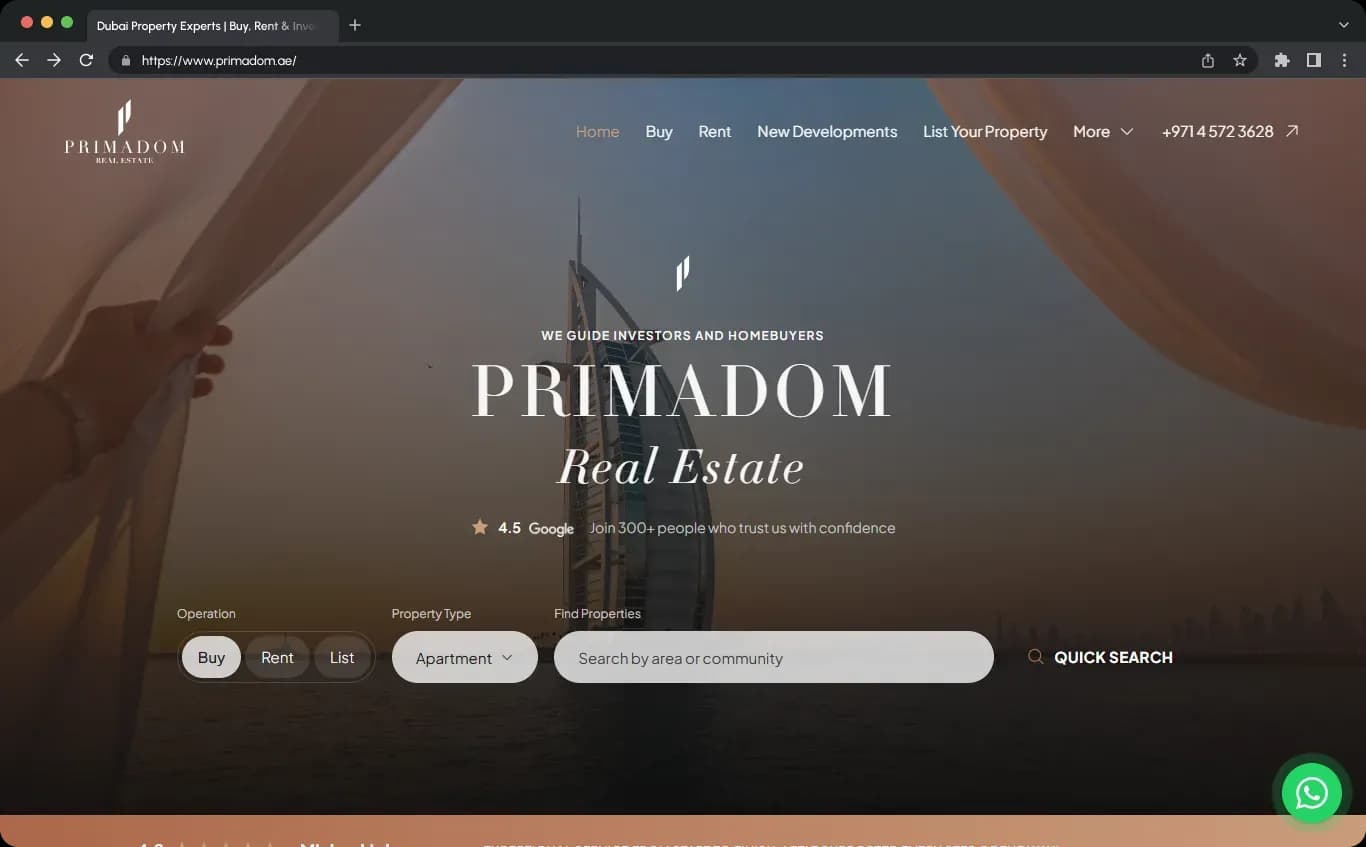
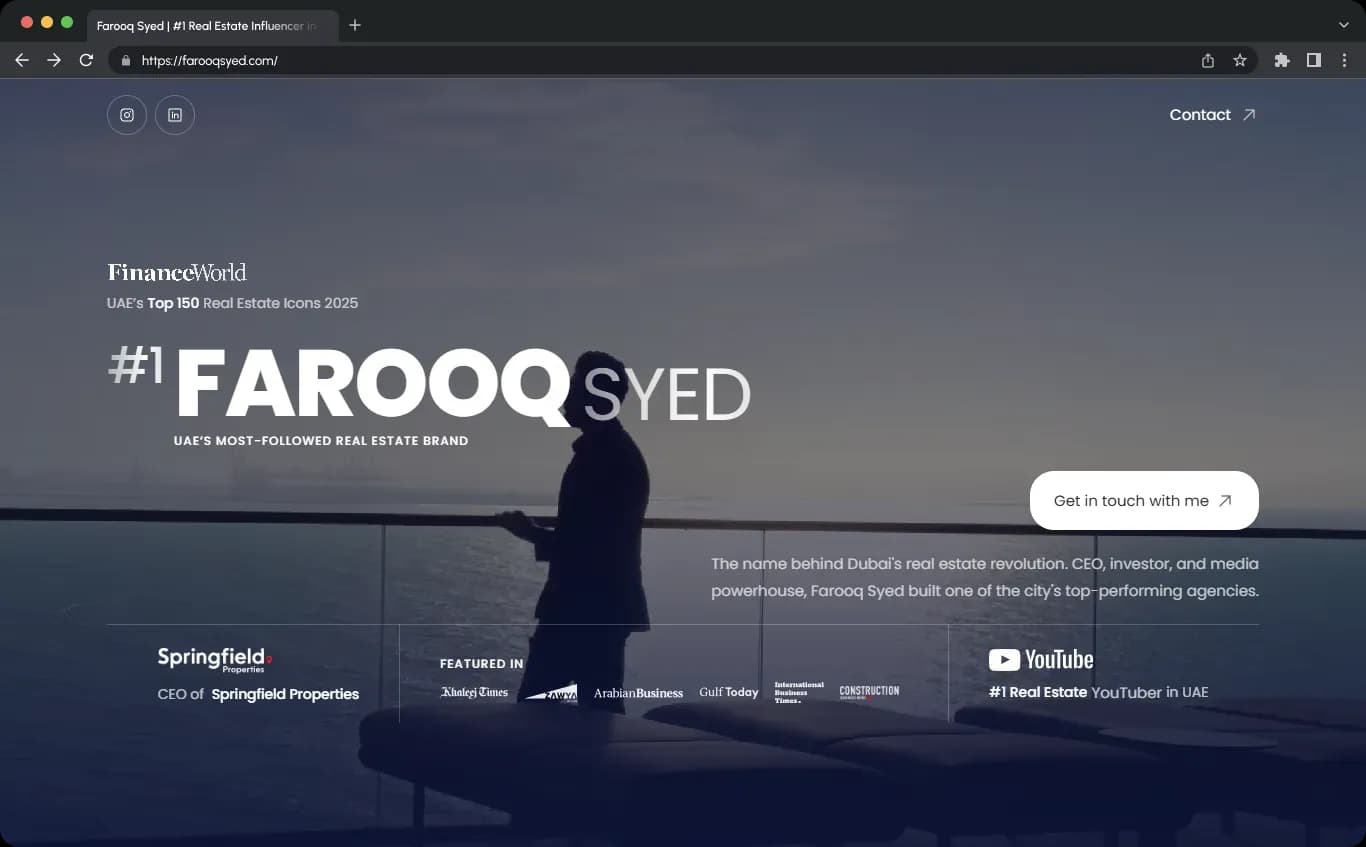
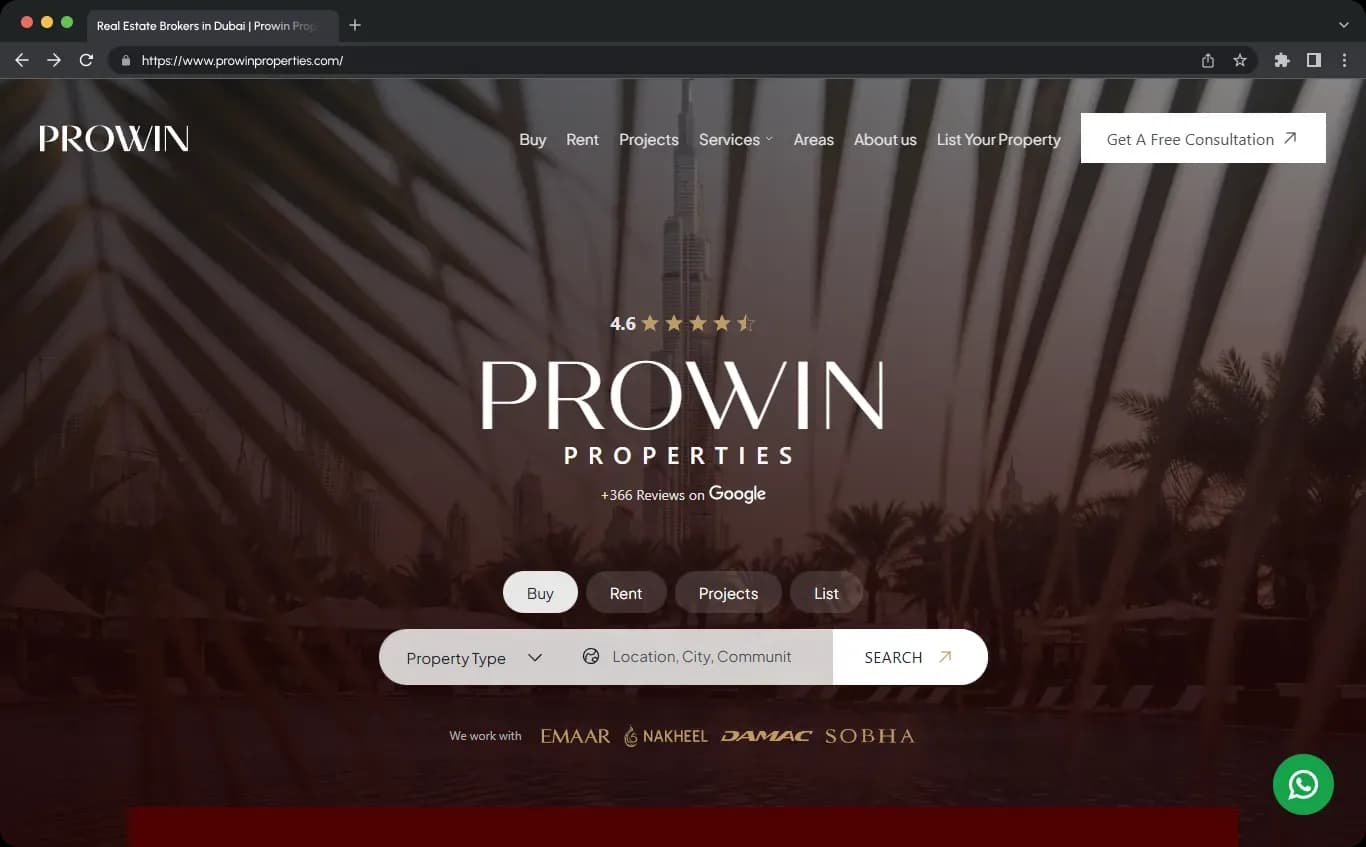
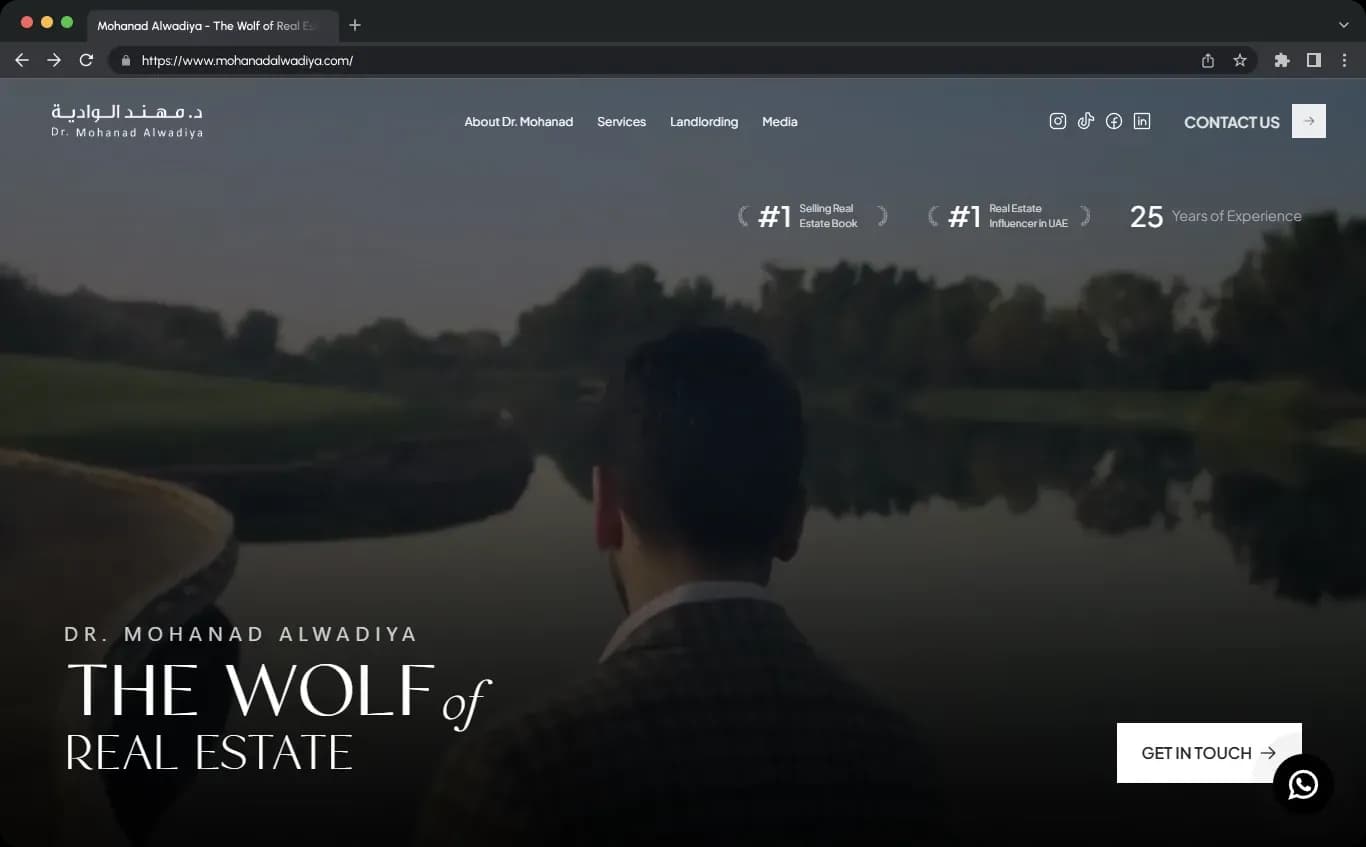
If you feel overwhelmed by all the “must-have” real estate marketing tools out there, you’re not alone. Over the last few years we’ve tested and mixed more platforms than we care to admit, and we’ve learned something important: it’s not about having the most tools in your tech stack, it’s about having the right real estate marketing tools working together.
In this guide we’ll walk through the best real estate marketing software, apps, and platforms for 2026, organized by use case so you can build a practical real estate marketing toolkit—whether you’re a solo agent, a growing team, or a full brokerage.
Before we dive into specific platforms, it’s worth getting clear on how we evaluate real estate marketing tools and what actually moves the needle for lead generation and sales.
- User-friendly interface: If it takes weeks of training, you won’t use it. We look for simple dashboards, clear workflows, and mobile apps that agents can actually live in day to day.
- Branding & customization: Your real estate marketing collateral—brochures, listing presentations, social media posts—needs to look like you, not like a generic template. Tools should support your logo, colors, fonts, and hyper-local branding.
- Real lead generation & nurturing: Pretty doesn’t pay the bills. We prioritize tools that give you landing pages, lead forms, CRM integrations, drip campaigns, and marketing automation so you can capture, nurture, and convert.
- Analytics & ROI tracking: If we can’t see what’s working, we can’t double down. Good platforms show engagement (opens, clicks, views), conversions, and even multi-touch attribution as you scale.
- Integrations & ecosystem fit: The best real estate marketing tech stacks are connected. We always check how a new tool talks to your CRM, website, email marketing, social media, and listing portals.
- Mobile responsiveness: Buyers are scrolling MLS listings and virtual tours on their phones; agents are responding from the car between showings. Your websites, landing pages, virtual tours, and email campaigns all need to be mobile-first.
Once you have that filter in mind, it’s much easier to choose the best platforms for your situation instead of chasing every new shiny app.
Real Estate Website Builder Tools & SEO Platforms
Your website is the hub of your digital real estate marketing. It’s where your property listings, local SEO, lead generation, and personal brand all come together. We’ve found that most agents fall into one of two camps: either they want a “done-for-you” real estate website builder, or they want a flexible platform like WordPress they can grow into.
AgentFire: Hyper-Local Real Estate Websites
Best for: Agents and teams who want a high-converting, hyper-local real estate website and don’t mind paying a bit more for a marketing-focused build.
- Premium, conversion-focused layouts designed specifically for real estate agents and brokerages.
- Neighborhood and area guide pages that support real estate SEO efforts (“homes for sale in [neighborhood]”).
- Built-in landing pages, IDX integration options, and clear calls-to-action for seller leads and buyer registrations.
For agents serious about building a personal brand and capturing leads organically, a specialized platform like AgentFire can be a core part of your real estate marketing tech stack.
Placester: Budget-Friendly Agent Websites
Best for: Solo agents or small teams that need a professional online presence with the option to upgrade to done-for-you services later.
- DIY website plans plus higher-touch “done-for-you” builds.
- Lead capture, basic live chat, and integrations with your existing CRM or email marketing tool.
- Good fit if you’re price-sensitive but still want a real estate-focused website builder.
Squarespace & Wix: Simple, Polished Sites
Best for: Agents who want to get online fast and don’t need deep MLS or IDX integrations right away.
- Squarespace: Beautiful templates, easy drag-and-drop builder, ideal for personal branding, blogs, and basic agent websites. You’ll likely lean on portals and third-party tools for IDX.
- Wix: Hundreds of templates (including real estate ones), quick setup, decent SEO tools, and a gentle learning curve.
We see a lot of newer agents start with Squarespace or Wix to get a clean, mobile-friendly website up quickly, then layer on landing pages, social media marketing, and portal presence as they grow.
Leadpages: Landing Pages That Convert
Best for: Real estate lead generation campaigns (seller home valuation offers, relocation guides, new construction VIP lists) where landing page conversion rate is critical.
- High-converting real estate landing page templates with built-in opt-ins, pop-ups, and alert bars.
- Easy integrations with CRMs and email marketing platforms.
- Analytics on which pages, offers, and calls-to-action are producing the most leads.
Bluehost + WordPress: Maximum Control
Best for: Brokers and tech-comfortable agents who want full ownership of a scalable real estate marketing platform.
- Affordable hosting plus one-click WordPress installs.
- Access to thousands of real estate themes and IDX plugins.
- Ideal if you or your marketing partner can handle basic web maintenance and SEO.
For long-term, search-based lead generation, SEO tools are essential real estate marketing software.
- Ahrefs / Semrush / Moz: Help you research local keywords, audit your site, analyze competitors, and track rankings for high-intent search terms.
- Moz Local: Useful for managing Google Business Profile and local citations for offices and teams.
We use these platforms to map out neighborhood pages, “sell my house in [city]” content, and community guides that build authority over time.
Real Estate Portals & Marketplaces
No matter how strong your website and SEO are, most buyers start on portals. Smart real estate marketing strategies treat portals as high-intent lead sources that feed your own ecosystem.
U.S. Portals: Zillow, Realtor.com, Homes.com & More
- Zillow: Still the dominant consumer platform in many markets. Agent profiles, reviews, portal leads, and Zillow 3D Home tours can all feed your CRM.
- Realtor.com, Homes.com, Redfin, etc.: Often integrated with your MLS feed; many tools pull leads from these sources into your CRM automatically.
When we evaluate lead generation tools for real estate teams, one of our first questions is always, “How well does this integrate with your portal leads?” That’s make-or-break for daily workflow.
UAE & GCC Portals: Bayut, Dubizzle, Property Finder
If you’re marketing residential or commercial real estate in the UAE or wider GCC:
- Bayut: One of the top property portals for buyers and renters.
- Dubizzle: Massive classifieds platform with significant property search volume.
- Property Finder: A go-to portal for serious home seekers and investors.
In portal-heavy markets like Dubai or Abu Dhabi, we’ve seen the best results when agents build a multi-platform strategy: strong profiles and listings on Bayut/Dubizzle/Property Finder, tied back into a branded website, CRM, and remarketing campaigns.
Visuals are the first impression for your property listings. In 2026, static photos alone are a tough sell—buyers expect video tours, 3D walkthroughs, and even virtual staging.
Matterport: 3D Tours & Digital Twins
Best for: High-end listings, out-of-town buyers, new developments, and any agent who wants to differentiate with immersive virtual tours.
- Create realistic 3D digital twins of homes, rentals, and commercial spaces.
- Generate schematic floor plans directly from your scans.
- Offer guided or self-guided virtual walkthroughs accessible from any device.
- Capture 4K photos from scans and integrate virtual staging.
We’ve consistently seen Matterport tours increase engagement on listings, especially when combined with strong real estate social media marketing—short clips from your 3D tours make excellent Instagram Reels and TikToks.
Virtual Staging Tools: Virtual Staging AI, REimagine Home, Collov AI, VisualStager
Virtual staging is one of the highest-ROI real estate marketing tools right now. It transforms empty or dated spaces into aspirational visuals without the cost of physical staging.
- Virtual Staging AI: AI-driven, photo-realistic furniture and decor. Great for quickly making vacant units feel like home.
- REimagine Home: Lets you restyle interiors and exteriors by prompt—modern, coastal, boho, etc.—and can remove existing furniture.
- Collov AI: Fast, budget-friendly staging; ideal if you’re processing a lot of photos.
- VisualStager: Browser-based, pay-per-image tool that gives you manual control over furniture layout.
Combined with professional photography and 3D tours, these virtual staging tools give your residential and commercial listings a polished, high-end look that stands out on MLS feeds and portals.
Real Estate Video Marketing Tools
Video marketing is now non-negotiable. From listing videos to market updates and neighborhood tours, short-form video is often the fastest way to build trust and capture attention on social media.
Trolto, Animoto, CapCut & Lumen5
- Trolto: AI takes your listing photos and turns them into cinematic property videos with subtle motion effects and social-friendly formats.
- Animoto: Drag-and-drop templates for listing teasers, testimonial videos, and educational content.
- CapCut: Designed for TikTok and Reels; includes AI “script-to-video” and trending templates that make your content feel native to each platform.
- Lumen5: Converts your blog posts and text scripts into video slideshows with images, motion, and captions—perfect for “market update” and “how-to” content.
We like to pair these real estate video marketing tools with scheduling platforms (Buffer, Hootsuite, Sprout Social) so your content goes out consistently across Instagram, YouTube, TikTok, Facebook, and LinkedIn.
Highnote: Interactive Listing & Buyer Presentations
Best for: Listing presentations, buyer packets, and investor pitch decks that you can track.
- Create client-friendly presentations combining videos, PDFs, links, comps, and more.
- Use templates from top-performing agents for listing presentations, pre-listing packets, and buyer guides.
- Track what each recipient views and for how long so you can tailor your follow-up.
Highnote essentially turns your marketing collateral into a sales intelligence tool—something we consider invaluable when competing for high-value listings.
Design & Marketing Collateral Tools
High-quality marketing collateral still matters: brochures, market reports, listing books, neighborhood guides, postcards, and newsletters all support your real estate marketing strategy offline and online.
FlippingBook: Interactive Real Estate Brochures & Guides
Best for: Turning static PDFs into interactive, trackable digital real estate marketing materials.
- Convert your property brochures, listing presentations, and market reports into HTML5 flipbooks.
- Add interactivity like clickable links, video embeds, and lead capture forms.
- Generate unique trackable links per client or campaign to see who opens your collateral, which pages they dwell on, and for how long.
- Access everything via a mobile app so you and your team can share materials on the go during showings and open houses.
We’ve seen agents use FlippingBook to send interactive listing books to out-of-town buyers, then use the engagement analytics to prioritize serious prospects and follow up strategically.
Canva: Your Real Estate Design Swiss Army Knife
Best for: Any agent or brokerage that wants professional-looking real estate marketing collateral without hiring a full-time designer.
- Create property flyers, postcards, social media posts, email headers, listing presentations, and real estate newsletter templates.
- Access thousands of real estate-specific templates and stock photos.
- Collaborate with assistants or marketing coordinators in one workspace.
We’ve watched Canva essentially become the default design platform for real estate agents because it powers everything from Instagram graphics to print-ready brochures.
CRM & Lead Nurturing Tools for Real Estate
Without a good CRM, your entire real estate marketing toolkit is leaking money. CRM is where your leads, follow-ups, and deals live.
Follow Up Boss: Centralized CRM for Teams
Best for: Teams and brokerages that want a central hub for portal leads, website leads, and paid campaigns.
- Ingests leads from Zillow, Realtor.com, Homes.com, Facebook Ads, Google Ads, and many more.
- Automated text and email follow-up sequences.
- Lead routing and assignment for real estate teams and brokerages.
- Task management, call logging, and performance reporting.
Wise Agent, IXACT Contact, Market Leader & Propertybase
- Wise Agent: Affordable, all-in-one CRM with email marketing, landing pages, and commission tracking. Great for solo agents or small teams.
- IXACT Contact: CRM plus drip campaigns, appointment reminders, and basic marketing automation focused on individual agents.
- Market Leader: Combines lead generation and CRM, offering built-in lead sources plus long-term nurturing tools.
- Propertybase: Salesforce-powered CRM for larger brokerages; deep MLS integration and advanced reporting for complex operations.
Whichever CRM you choose, the key is using it consistently: logging calls, tagging leads, setting follow-up tasks, and integrating it with your website forms, portals, and marketing automation tools.
Lead Capture & Automation: CallAction & OnceHub
- CallAction: Assign unique phone numbers to each mailer, yard sign, or ad campaign; automatically capture caller details; trigger SMS and email follow-ups; and measure which channels generate the most calls and inquiries.
- OnceHub: Share a single scheduling link for listing consultations, buyer strategy calls, and showings. Clients pick available times, and OnceHub syncs everything with your calendar.
We’ve seen these kinds of tools dramatically shorten response times, which is one of the biggest variables in turning internet leads into appointments.
Social media remains one of the best platforms for real estate marketing in 2026. The goal isn’t necessarily to go viral; it’s to show up consistently with useful, authentic content.
- Facebook: Still the workhorse for local communities, groups, and real estate advertising.
- Instagram: Ideal for listing photos, carousels, Reels, and Stories.
- TikTok: Great for quick property tours, “day in the life” content, and Q&A videos.
- YouTube: The best long-form platform for neighborhood tours, educational series, and in-depth property videos.
- LinkedIn: Underrated for commercial real estate marketing and connecting with investors, corporate clients, and referral partners.
Content Libraries & Templates: Coffee & Contracts + Canva
- Coffee & Contracts: Provides ready-made caption ideas, post templates, and a content calendar tailored to real estate social media marketing.
- Canva: Plug those ideas into Canva to customize them for your brand, market, and specific listings.
We’ve watched many agents go from “sporadic posting” to a consistent, on-brand presence simply by leaning on these template libraries and scheduling in batches.
Social Media Schedulers: Buffer, Hootsuite & Sprout Social
- Buffer: Lightweight, cost-effective scheduler. Great for solo agents scheduling to Instagram, Facebook, LinkedIn, and TikTok.
- Hootsuite: More robust platform with social listening, team workflows, and basic design tools.
- Sprout Social: Premium scheduler and analytics platform; excellent if your brokerage runs large-scale social campaigns.
Scheduling tools let you plan weekly content—listings, market updates, testimonials, behind-the-scenes—so your real estate marketing runs consistently even when you’re slammed with showings and negotiations.
Email Marketing & AI Tools for Real Estate
Email marketing is still one of the most reliable ways to nurture leads and past clients, especially when you combine it with video and AI personalization.
Best for: Agents who want a mature, easy-to-use email platform for newsletters and drip campaigns.
- Real estate-friendly templates for market updates, new listings, open houses, and holiday messages.
- List segmentation by buyer vs. seller, neighborhood, or lead source.
- Basic automation for welcome sequences and periodic touchpoints.
Dubb, Scout & ChatGPT: AI-Powered Nurturing
- Dubb: Record video emails and texts for clients, track views and engagement, and let its AI help with scripting and even AI-generated video avatars if desired.
- Scout: Enriches your contact database with property data, then uses AI to write and send personalized, relevant emails (e.g., equity updates, refi prompts, move-up scenarios).
- ChatGPT: Great for drafting listing descriptions, email sequences, social captions, and objection-handling scripts tailored to your brand voice.
When we combine these tools with a CRM like Follow Up Boss or Wise Agent, we can build email marketing campaigns that feel personal at scale and keep your sphere and leads warm for years.
Analytics & Marketing ROI Tools
Real estate marketing without analytics is guesswork. To scale efficiently, we need to know which channels actually generate closed deals—not just clicks.
Core Analytics: Google Analytics & Facebook Insights
- Google Analytics: Track where your website traffic comes from (SEO, PPC, social, referrals), which pages people visit, and where they convert.
- Google Business Profile & Maps Insights: See how often people find you in Maps, request directions, or call you directly.
- Facebook Insights (and native platform analytics): Measure social media performance—reach, engagement, video watch time, and ad conversions.
Funnel.io & Attribution: Multi-Channel Visibility
- Funnel.io: Pulls data from ad platforms, social media, and other tools into a single dashboard. Ideal if you’re running multi-channel campaigns across Google Ads, Facebook Ads, LinkedIn, and more.
- Attribution: Provides multi-touch attribution, tying closed deals back to the exact channels and campaigns that influenced them. Helps you understand your true customer acquisition cost.
We start simple with Google Analytics and platform dashboards, then move into tools like Funnel.io or Attribution once teams are spending enough on advertising to justify deep optimization.
Building a Real Estate Marketing Tech Stack That Works
Instead of trying to adopt every real estate marketing platform at once, we recommend building a phased, integrated tech stack.
Phase 1: Foundation (Brand & Visibility)
- Choose a website builder (AgentFire, Placester, Squarespace, Wix, or WordPress on Bluehost).
- Set up and fully optimize your Google Business Profile.
- Claim and complete your portal profiles (Zillow, Realtor.com, Homes.com, or Bayut / Dubizzle / Property Finder in the UAE).
Phase 2: Property Marketing (Listings That Stand Out)
- Adopt Matterport for 3D virtual tours on your key listings.
- Add a virtual staging tool (Virtual Staging AI, REimagine Home, Collov AI, or VisualStager).
- Design polished brochures, flipbooks, and listing presentations with Canva and FlippingBook.
- Use tools like Trolto, Animoto, CapCut, or Lumen5 for listing videos and social-friendly clips.
Phase 3: Lead Capture & Nurture
- Select a real estate CRM (Follow Up Boss, Wise Agent, IXACT Contact, Market Leader, or Propertybase).
- Build landing pages with Leadpages or your website platform for specific campaigns (home valuation, relocation, buyer guides).
- Implement CallAction to track calls and texts from your marketing, and OnceHub for frictionless appointment booking.
- Layer in email marketing and AI tools (Constant Contact, Scout, Dubb, ChatGPT) for systematic follow-up.
Phase 4: Social Media & Content Engine
- Standardize your brand visuals in Canva and, if you like, subscribe to Coffee & Contracts for content prompts.
- Choose a scheduling platform (Buffer for solo agents, Hootsuite or Sprout Social for teams).
- Commit to a simple content plan: weekly listing highlights, market stats, educational posts, and local lifestyle content.
Phase 5: Analytics & Optimization
- Set clear goals: leads per month, appointments set, listings taken, closed transactions.
- Use Google Analytics and platform dashboards to see which channels contribute most.
- As your advertising grows, consider Funnel.io and Attribution for deeper ROI insights.
Final Thoughts: The “Best” Real Estate Marketing Tools in 2026
There isn’t one single “best” platform for real estate marketing. The top real estate marketing tools in 2026 are the ones that work together to do three things consistently:
- Attract: A solid website, SEO, portals, and social media presence bring new buyers and sellers into your world.
- Showcase: High-quality photos, 3D virtual tours, virtual staging, videos, and interactive collateral make your listings and your brand stand out.
- Convert: CRM, lead capture, email marketing, AI, and analytics turn online attention into appointments, signed contracts, and closed deals.
If you tell us whether you’re a solo agent, team leader, or brokerage—and what market you’re in—we can help you prioritize a short list of real estate marketing tools to implement first, so you see results without overwhelming your day-to-day workflow.