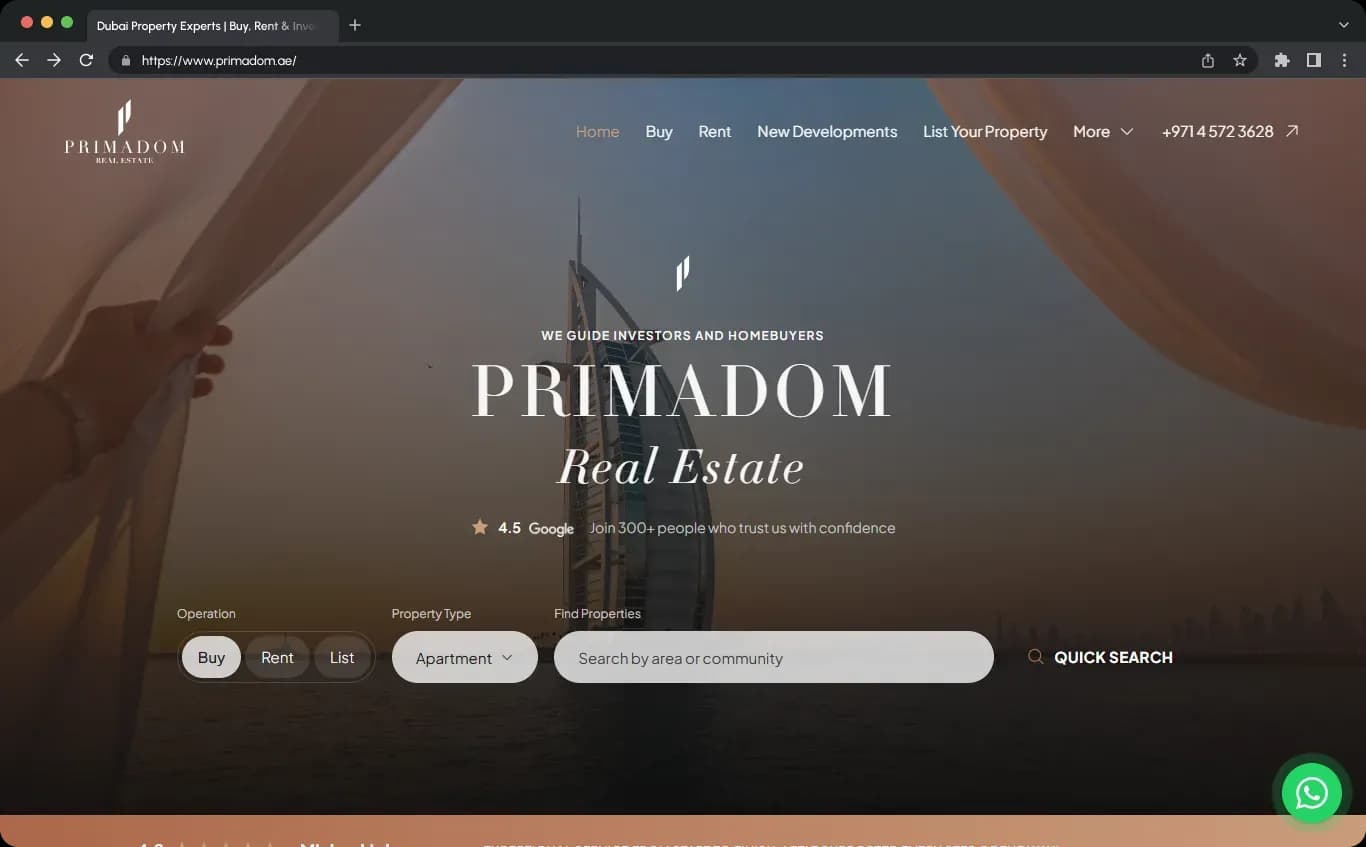
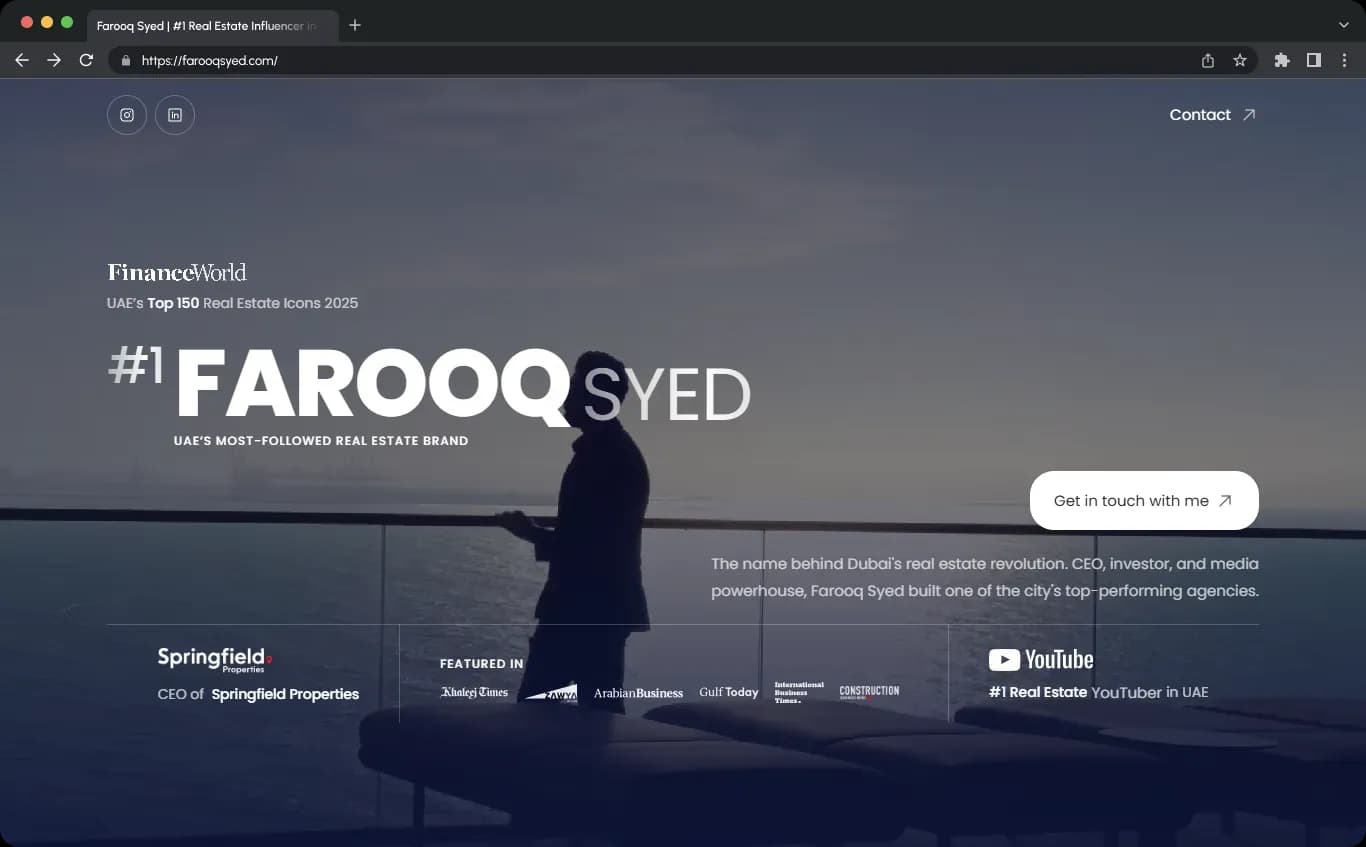
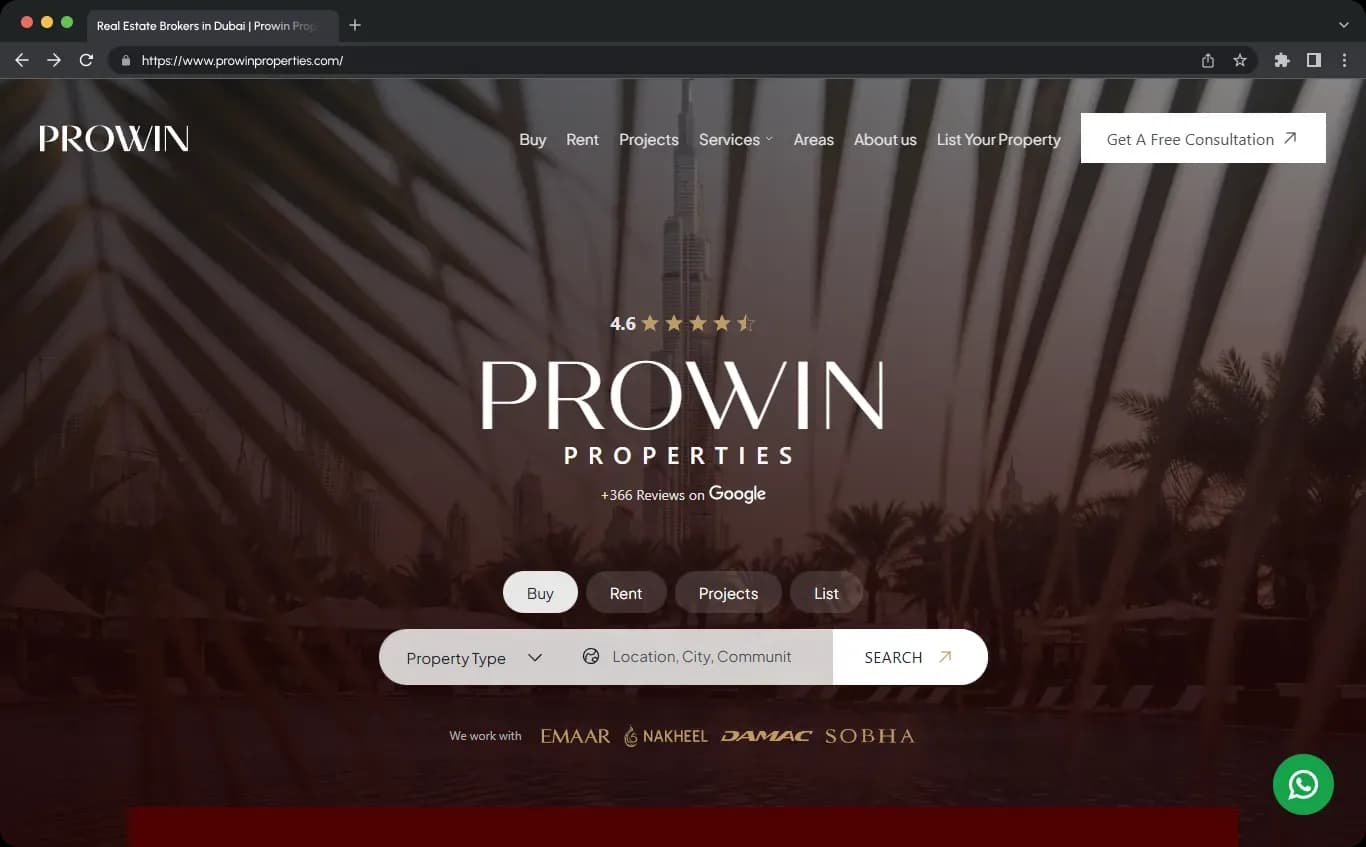
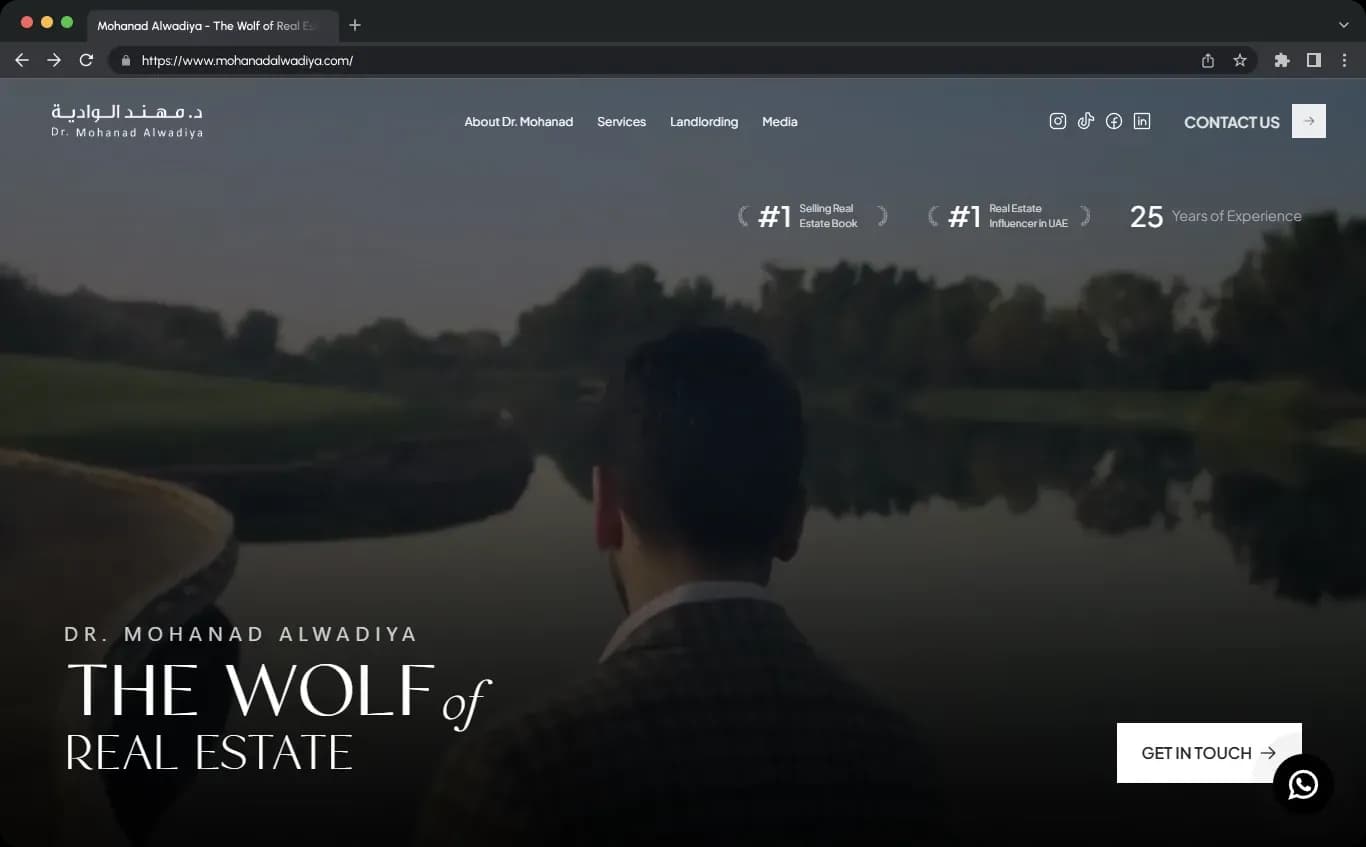
In 2026, real estate videos are no longer optional. They are one of the fastest ways to build trust, create visibility, explain value, and turn attention into inquiries. Buyers want to see properties before they commit time. Sellers want proof that we can market a listing well. And platforms like YouTube, Instagram Reels, TikTok, and YouTube Shorts reward agents who publish useful, watchable video content consistently.
What stands out most this year is that success is less about doing everything and more about doing the right things in the right order. Real estate video marketing now sits at the center of personal brand, lead generation, and long-term visibility. Social discovery is increasingly interest-based, not follower-based. Search is shifting too, with AI-powered results surfacing clear answers faster than old-school blog tactics alone. That means strong video content for real estate agents has become one of the most durable marketing assets we can build.
Below, we break down the 21 best real estate videos every agent should watch in 2026, along with what each example teaches us about real estate marketing, property videos, short-form strategy, YouTube videos for real estate agents, and conversion-focused content.
The best agents are no longer just posting listing videos. They are building a full media ecosystem around their business. That includes property tour videos, realtor profile videos, neighborhood guide videos, testimonial videos, educational real estate videos, behind-the-scenes content, market updates, and short-form clips that create steady discovery.
And the big shift is this: attention does not come from having the biggest following. It comes from publishing the most relevant content for the right audience. One strong video can outperform dozens of weak posts, which is why every agent should study high-performing real estate video examples instead of guessing what to make next.
If we want a simple filter for judging any real estate video, we can ask: does it get attention, build trust, clarify value, create emotion, and give a clear next step?
We did not just look for glossy production. We looked for real estate agent videos and property marketing videos that teach something useful. Some are cinematic listing videos. Some are short animated explainers. Some are neighborhood videos. Some are personal branding pieces. Some are educational videos that help buyers and sellers understand the process. Together, they reflect what real estate content looks like in 2026.
We also paid attention to broader trends shaping the industry now: AI becoming a daily advantage, the rise of returning viewers on YouTube, the value of hyper-local authority, and the growing need to turn content into leads through CTAs, lead magnets, comment triggers, email capture, and follow-up systems.
Best lesson: explain complex emotions simply and quickly.
This animated real estate video works because it does not rely on luxury visuals or a dramatic house tour. Instead, it focuses on the emotional reality of buying a home. That makes it highly memorable. In a year when AI can generate polished content at scale, emotionally clear videos stand out more than ever.
What we should learn: not every real estate video needs to showcase square footage. Some of the best real estate marketing videos answer internal questions buyers are already asking.
Best lesson: sell the surroundings, not just the structure.
These property videos remind us that location is often the story. Great listing videos do not just document interiors. They create desire by showing arrival, neighborhood energy, outdoor living, and the atmosphere around the home. That is especially powerful in scenic, walkable, luxury, and second-home markets.
What we should learn: property showcase videos convert better when they help viewers imagine the full lifestyle attached to the home.
Best lesson: use visual storytelling to guide the tour.
Bespoke shows how a property tour video should unfold like a story, not a random series of rooms. The sequence matters. Start with context, create anticipation, move through the home intentionally, and end on an emotional note.
As YouTube becomes more important for real estate lead generation, this kind of structure also helps watch time and retention.
Best lesson: make the home feel livable.
This is one of the best property listing videos to study for lifestyle framing. Instead of pushing specs alone, it shows moments. We can imagine cooking in the kitchen, relaxing in the living area, or entertaining outdoors. That shift from features to future is what makes home tour videos persuasive.
What we should learn: people do not just buy homes. They buy what life in the home might feel like.
Extra 2026 takeaway: open with movement in the first few seconds, and capture extra B-roll vertically so the same shoot can feed short-form real estate content.
Best lesson: long-form real estate video still works.
Short-form video continues to lead discovery, but long-form property tour videos still have a major role. Serious buyers often want depth, and YouTube remains one of the best platforms for that. The lesson here is not that every listing needs a long video. It is that long videos work when they are structured well and genuinely worth watching.
We also see a bigger strategic point here: random content rarely builds channel momentum. Returning viewers matter, and channels grow faster when we go deeper on topics our audience already cares about.
Best lesson: testimonials do not always need an on-camera client.
This is a smart real estate testimonial video example because it uses animation to preserve trust and proof without requiring a camera-ready client. For many agents, this is a practical solution.
What we should learn: trust and credibility matter more than format.
Best lesson: agent-led tours combine authority and conversion.
When the agent appears on camera, the video does more than showcase the property. It also builds familiarity with the realtor. That matters because clients still choose people. In 2026, brokerage brand helps, but personal brand drives connection.
This format is especially effective when paired with:
Best lesson: creative storytelling creates brand memory.
Rightmove shows that memorable real estate marketing is not always literal. A distinctive brand video can outperform a generic promotional video because it gives people something to remember. In a crowded content environment, sameness is the enemy.
What we should learn: use a consistent editing style, tone, message, and visual identity so recognition compounds over time.
Best lesson: a single strength can become your brand.
This is a great reminder that individual agents do not need to master every possible format at once. Sometimes one clear specialty, like drone videos or crisp local tours, is enough to make our real estate social videos recognizable.
What we should learn: branding becomes stronger when we repeat a clear strength instead of constantly changing style.
Best lesson: combine self-introduction with social proof.
This hybrid format works because it answers two questions at once: who are you, and why should I trust you? That makes it one of the strongest realtor profile video examples on this list.
What we should learn: profile videos and testimonial videos are often better together than apart, especially when supported with captions and on-screen text overlays.
Best lesson: emphasize what actually sells the property.
Some homes are really about privacy, land, view, or setting. This video is effective because it focuses on the strongest selling point, not just the most obvious one. That is a useful discipline for every listing.
Before shooting, we should ask: what really persuades someone to want this home? The answer should shape the video.
Best lesson: make the viewer feel included.
Amy Youngren’s style feels engaging because it is conversational, warm, and expert without becoming stiff. That balance matters in real estate agent videos. Viewers want guidance, not a lecture.
This style also works well with direct-response tools now common in 2026:
Best lesson: service-based real estate businesses need explainer videos too.
This animated example shows that real estate video marketing is not only about listings. If we offer property management, relocation, leasing, investor help, or seller prep services, explainer videos can clarify value better than a text-heavy page.
What we should learn: animation is ideal when the service is complex or there is no property to film.
Best lesson: neighborhood videos can generate serious authority.
Neighborhood guide videos are some of the best YouTube videos for real estate agents because people often choose the area before they choose the home. Hyper-local authority is becoming one of the most durable assets an agent can build, especially as AI search and recommendation systems reward specific, useful answers.
Strong community videos can cover:
Best lesson: profile videos build comfort before the first call.
Real estate branding videos work best when they feel human. A good realtor profile video should explain who we are, how we work, who we serve, and what clients can expect. It should not just list credentials. It should make people feel more comfortable reaching out.
Best lesson: behind-the-scenes content builds authenticity.
Behind-the-scenes real estate videos are underrated because they do several jobs at once. They humanize the business, create social-native content, and show sellers the work that goes into marketing a property well.
What we should learn: polished content builds credibility, but raw supporting content often builds relatability.
Best lesson: clarity beats complexity.
This is a strong example of educational real estate video content that relies on static visuals, interface captures, and motion design instead of live footage. It proves we do not always need cinematic production to create useful content.
That matters because more agents now need FAQ-style videos that answer search behavior shaped by AI discovery. If we can explain something clearly, we can earn trust.
Best lesson: introduction videos help us differentiate.
In a market where many agents sound interchangeable, an intro video is a chance to answer the questions prospects already have:
This kind of content belongs on websites, about pages, landing pages, email signatures, and retargeting campaigns.
Best lesson: explain why a feature matters.
This is a masterclass in interpretation. Instead of naming features, the video explains how design choices support a certain life. That is a crucial distinction in property videos. Buyers respond more strongly when we translate a feature into a benefit and then into a lifestyle outcome.
What we should learn: the best home tour videos do not just show. They interpret.
Best lesson: influencer-style content can reach niche audiences.
This example shows how creator-style real estate promotional videos can work for specific demographics. Not every audience wants polished brokerage content. For student housing, rentals, first apartments, or younger buyers, creator-native video often feels more trustworthy because it looks like the platform it is on.
What we should learn: audience fit matters more than corporate polish.
Best lesson: simple and sincere still converts.
This profile video proves a point many agents need to hear: not every effective real estate video needs elaborate production. In fact, as AI-generated content becomes more common, sincerity and clarity may become even stronger advantages.
What we should learn: if viewers come away thinking, “I would feel comfortable working with this person,” the video succeeded.
Across these examples, several patterns show up again and again. They also align with what we are seeing across digital marketing more broadly: AI becomes a daily advantage, personal brands matter more, and consistency builds momentum faster than occasional spikes of effort.
Instagram Reels, TikTok, and YouTube Shorts remain essential for discovery. Short-form real estate videos get us in front of people who have never heard of us before. But discovery alone is not enough.
Longer YouTube videos still matter, especially for market updates, relocation content, neighborhood comparisons, and detailed property tours. Returning viewers are especially valuable because they signal relevance to the platform and deepen trust over time.
People choose people. That means showing our face, voice, values, point of view, and process. In a crowded market, reputation at scale is what a personal brand really is.
Generalists are easier to ignore. Agents who own neighborhood, school, transit, lifestyle, and community content are easier to remember and easier for search systems to understand.
FAQ videos, explainer videos, local market updates, neighborhood breakdowns, and process videos do not just “inform.” They build trust and help clients self-qualify before they contact us.
AI-powered editing tools, script support, captions, performance insights, virtual staging, photo-to-video tools, and repurposing workflows can dramatically reduce friction. But they should support our message, not replace our personality.
Beyond the 21 examples above, there are several must-watch categories every real estate agent should study in 2026 because they reflect where the business is going.
One of the biggest changes in social media is that distribution is no longer mainly follower-driven. Platforms increasingly show content based on interest signals. That is good news for agents with small audiences, because better content can now beat bigger accounts.
Agents should study videos that explain returning viewers, topic depth, consistent publishing, chapter markers, playlist architecture, and watch time. YouTube is less of a gamble when we treat it like a system.
Some of the most useful AI workflows now include:
The real advantage is leverage. Agents using AI thoughtfully will outpace agents who insist on doing everything manually.
Content consistency is usually not a motivation problem. It is a systems problem. A strong weekly structure can remove a lot of guesswork. For example:
That kind of repeatable framework makes content creation sustainable.
One of the most overlooked lessons in modern real estate marketing is that content needs conversion infrastructure. Social media gets attention, but email keeps leverage. Strong agents pair videos with lead magnets such as:
Then they use CTAs, comment triggers, direct messages, and opt-in pages to turn engagement into leads.
If we only create listing videos, we leave too much opportunity on the table. A stronger real estate video strategy includes several content pillars.
Pretty footage is not enough. A strong real estate video usually does at least four of these six things:
If a video looks polished but does none of those things, it may not be effective marketing.
Film horizontal for YouTube and property webpages, then cut vertical clips for real estate reels, Shorts, and TikTok. Repurposing is one of the biggest efficiency wins available right now.
Do not open with a static exterior and a slow logo animation. Start with movement, a striking room, a bold statement, or a problem your audience cares about.
Many viewers watch on mute. Captions are mandatory, not optional. On-screen text also helps mobile viewers retain key information.
Every video should tell viewers what to do next:
Chapter markers improve navigation, retention, and usability for longer real estate YouTube videos.
Agent introduction videos, market updates, neighborhood explainers, and short advice clips all build familiarity. In a business built on trust, face time matters.
Use AI for planning, editing, captions, summarizing meeting notes, generating first drafts, virtual staging, and converting listing photos into polished clips. But keep the voice, opinion, and relationships human.
The best real estate videos in 2026 are not all luxury mansion films. Some are animated. Some are educational. Some are raw and relatable. Some are neighborhood videos. Some are profile videos. Some are long-form property tours, while others are short-form vertical clips built for discovery.
The common thread is simple: they help people feel something, understand something, or trust someone.
That is the real lesson behind these 21 best real estate videos every agent should watch in 2026. The agents who win are not necessarily the loudest or the most polished. They are the easiest to find, the easiest to trust, and the easiest to remember.
If we want a practical takeaway, it is this: do not just make listing videos. Build a real estate video strategy. Create property videos, neighborhood guide videos, testimonial videos, realtor profile videos, educational real estate videos, and short-form social clips. Use systems. Use AI thoughtfully. Build a personal brand. Stay hyper-local. And keep showing up.
Because in 2026, visibility compounds, trust compounds, and consistency compounds. The agents who execute on that will have a major advantage.
Hey, in Propphy we're determined to make a business grow. My only question is, will it be yours?
It's totally free, with no commitments
Hey, in Propphy we're determined to make a business grow. My only question is, will it be yours?
It's totally free, with no commitments