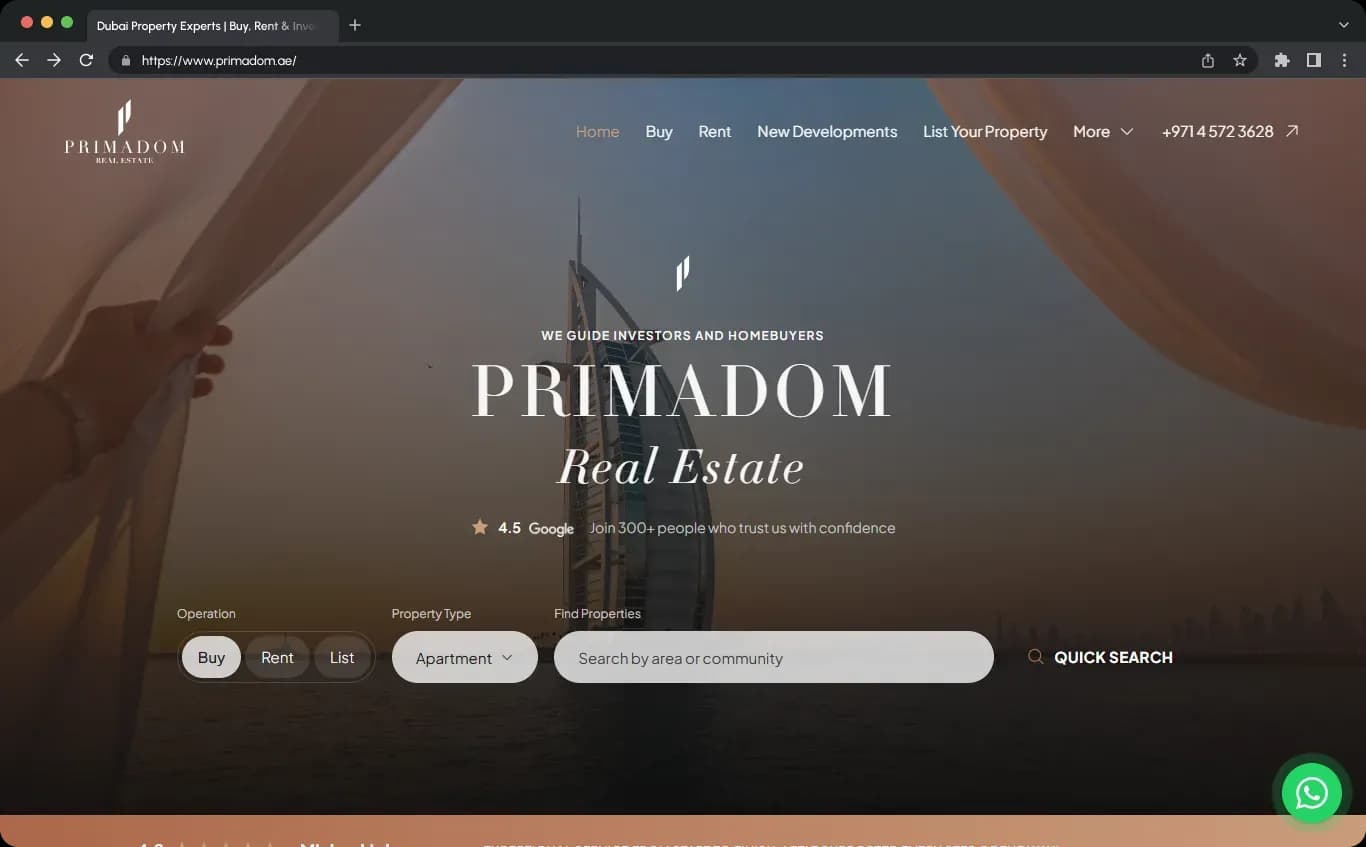
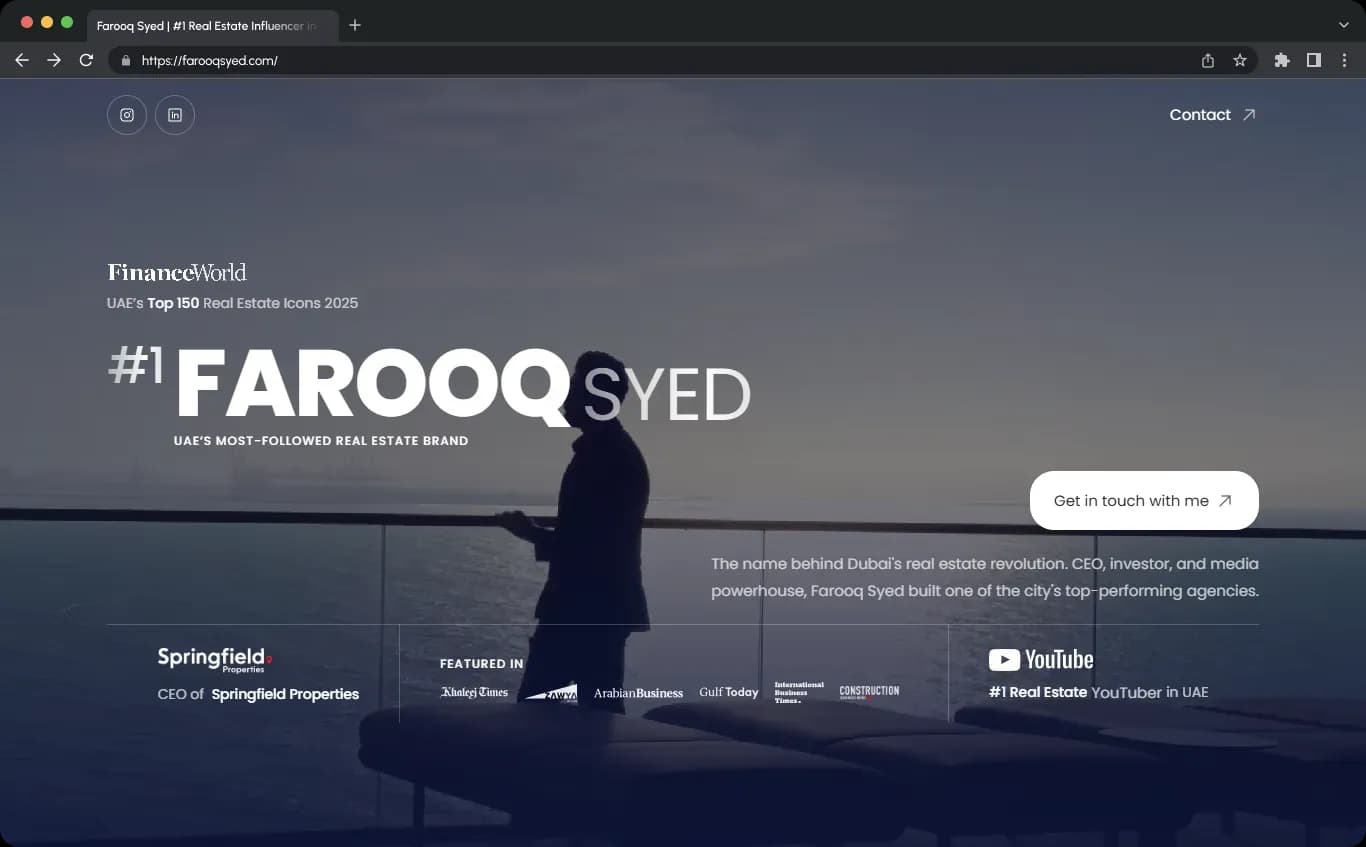
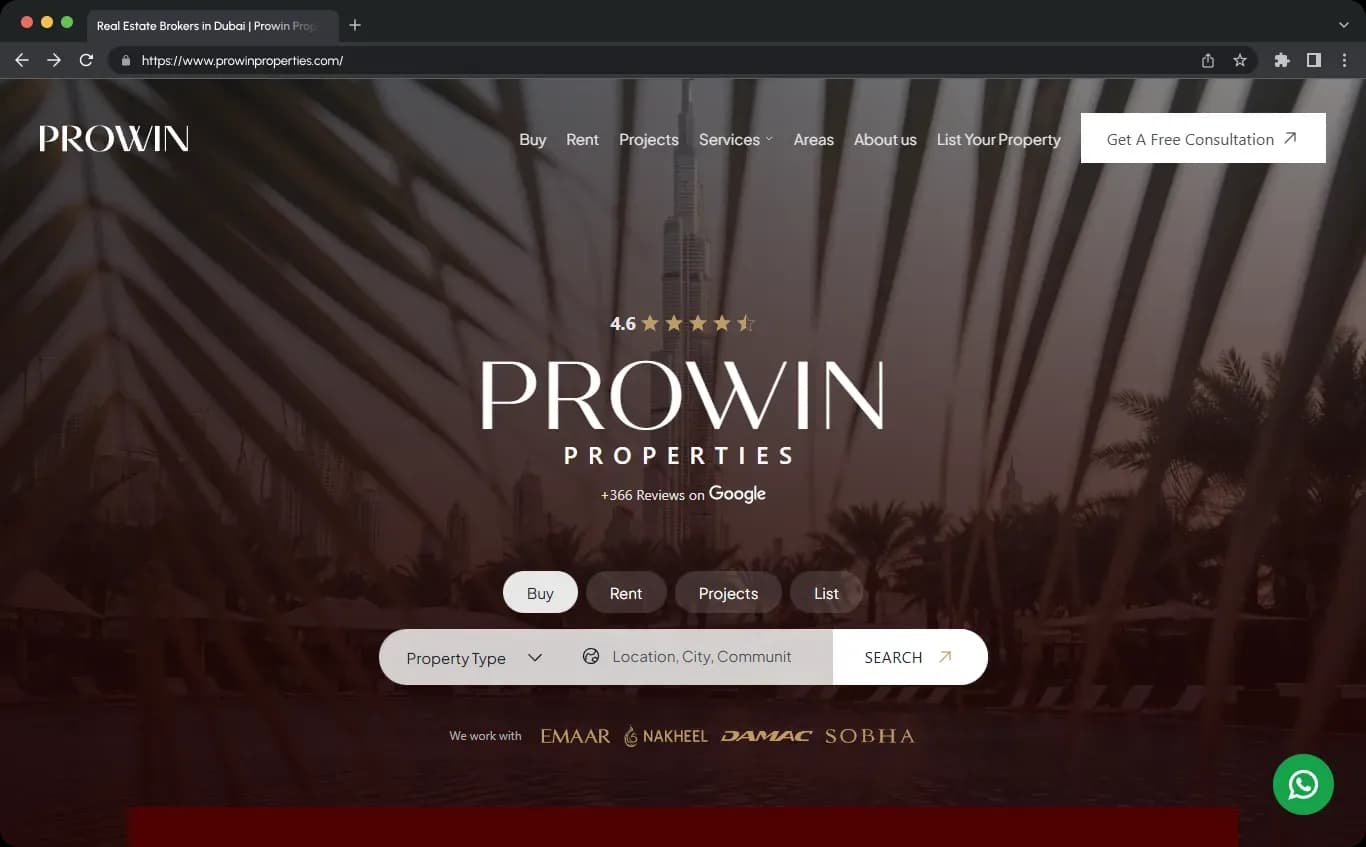
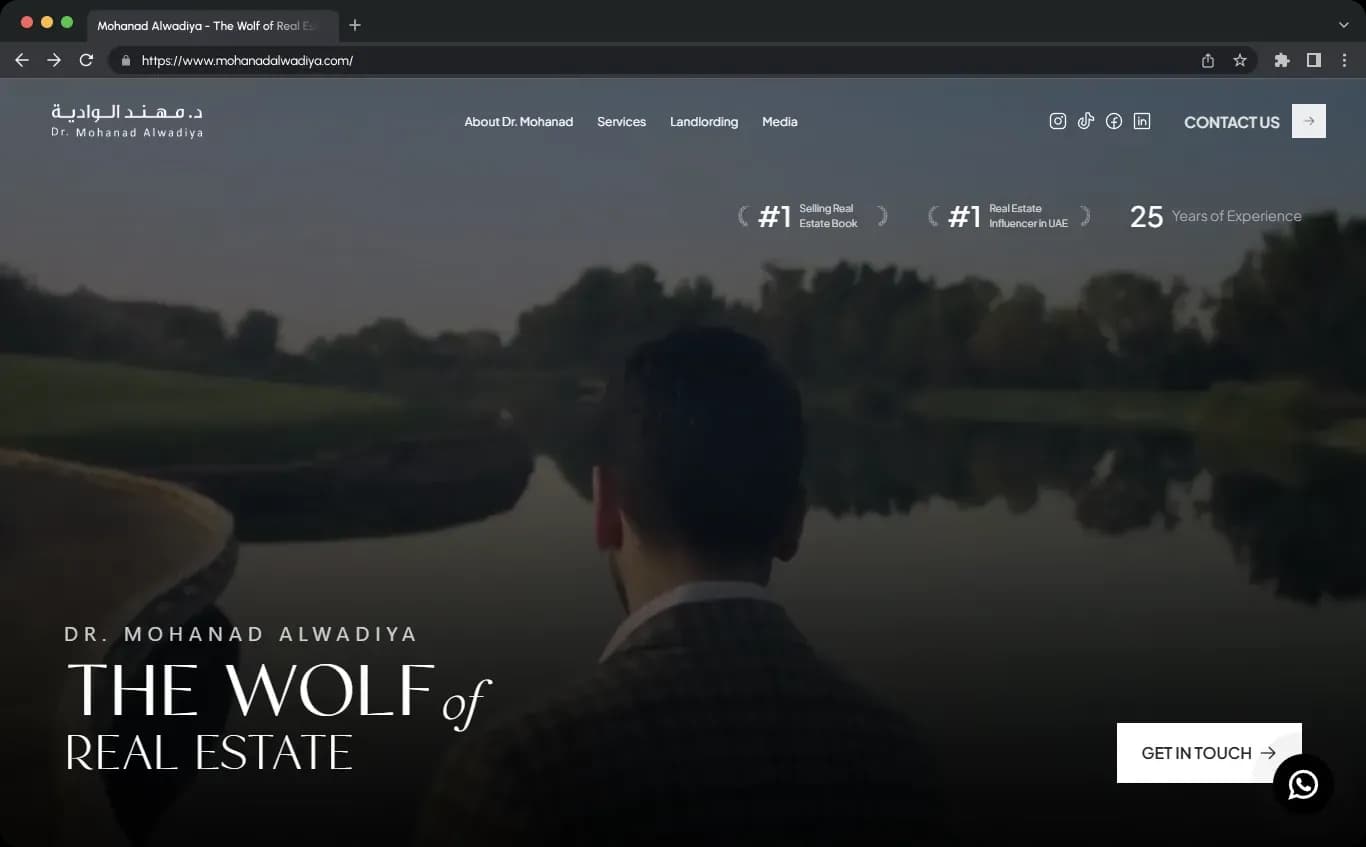
When we talk about Five Outstanding KW Websites, we are not really talking about five random attractive pages. We are talking about five smart ways to use KW websites so they become a real business asset. That is an important distinction, because a great KW Agent Site is not just a digital brochure. It is a lead-generation tool, a branding platform, a content hub, and a practical part of how we manage our real estate business.
After reviewing the latest new KW websites experience, one thing becomes clear: Keller Williams has built a much more capable website builder than many agents realize. In practice, a lot of agents have a KW site but never fully use it. They leave the homepage generic, skip the branding setup, ignore blog customization, never build a custom page, and miss the value of the built-in property search and KW Command integration.
That is why we think the best way to approach this topic is through five standout website models. Each one reflects a different strength of the new site experience, and together they show what makes modern Keller Williams websites so effective.
The biggest update in the KW websites update is not just visual polish. The real improvement is that the platform now supports a more complete, more customizable, and more connected experience for agents and teams. The KW website redesign emphasizes:
In other words, the new KW Agent Site experience is built to help us maintain a professional online presence while also improving workflow and productivity.
An outstanding Keller Williams website does three things well at the same time:
We have seen that many website issues are not really website issues at all. They start with incomplete setup inside Command. If the marketing profile is not feeding the site correctly, the agent photo, contact details, biography, office information, and social links may not reflect the business properly. In many cases, a weak KW site is simply an underconfigured one.
That matters because the best KW real estate websites are practical. They are not trying to compete with fully custom luxury builds made by agencies at six-figure budgets. They stand out because they are usable, integrated, and built to support actual agent workflow.
The first of the five outstanding KW websites is the one many agents already own: the standard Keller Williams agent website. For most of us, this is the starting point. It already exists, which means we do not need to build from scratch. We need to optimize it.
At the center of that setup is the marketing profile in KW Command. That profile helps power the site and app branding. When configured correctly, it can feed:
This is one of the most overlooked parts of the KW web platform. We have found that if the branding setting is not turned on, the site may not represent us properly, no matter how much we try to improve other pages.
The core site also includes one major advantage that deserves more attention: nationwide property search. That makes the site more than a static biography page. Visitors can browse homes across markets, not just within one immediate MLS view or only among KW listings. That broader search experience can make the site much more valuable to buyers relocating, investing, or comparing areas.
Even without building something highly advanced, the standard KW Agent Site gives us meaningful customization options:
These are simple changes, but they can dramatically improve the user experience. Instead of a generic homepage, we can present a market-specific message, use photos we own, highlight key listings, and create a stronger first impression.
We also like the practical reality of how these sites get traffic. Many agents assume Google will do all the work immediately, but often the best early path is direct promotion: text messages, email signatures, social media posts, signage, business cards, and QR codes. The site URL is available in Command, and if we want more control, we can often adjust the KW subdomain or point a custom domain to the site externally.
The second standout model is the search-and-lead-capture website. This is where KW websites become much more strategic. Instead of simply sharing a homepage and hoping someone clicks around, we can send traffic to targeted search results.
That means creating filtered property searches based on what people actually want to see, such as:
Then we can copy that filtered URL and use it in marketing. This approach is much stronger than saying, “Visit my website.” It gives people a reason to click because it matches a clear search intent.
A targeted KW website experience helps us move visitors from curiosity to registration. That is where the lead registration settings matter. We can decide how many properties someone can view before they are prompted to register. In training, a two-property threshold was suggested as a strong balance: enough access to create interest, but not so much that people browse anonymously forever.
When that system is working correctly, the workflow is powerful:
This creates much warmer follow-up. Instead of vague outreach, we can respond to actual behavior. If we can see what someone viewed, our next message becomes more relevant and timely.
That is why this version of a KW website is one of the most effective for manage leads and support our marketing efforts. It turns search traffic into a structured lead pipeline.
The third of the five outstanding KW websites is the content-first version. This is the site that builds visibility and trust through education, local expertise, and consistent publishing.
One of the most useful improvements in the new KW websites platform is stronger blog customization. In expert mode, we can create posts with a headline, subheadline, URL, featured placement, body content, and hero media such as an image or video post. That means the site can function as more than a listing portal. It can become a real content hub.
This matters for both SEO and conversion. People search for much more than agent names. They search for:
A blog-driven KW team website or agent site lets us answer those searches directly.
We especially like local content because it creates a stronger position than generic self-promotion. Instead of telling people we know the area, we show it. That is the difference between a simple agent bio page and a true professional online presence.
Quality still matters, of course. If we use imagery, we should use assets we own or have rights to publish. If we draft with outside tools, we should verify every factual detail before posting. The platform makes content easier to create, but authority still depends on accuracy and usefulness.
The fourth standout model is the custom page-driven KW website builder approach. This is where the platform becomes surprisingly flexible. In expert mode, we can create pages built around a very specific purpose rather than expecting one homepage to do everything.
These custom pages can be used for:
This is one of the most valuable parts of the KW website builder expert mode experience. It lets us match a page to a user’s exact stage and intent.
The newer platform supports flexible content modules that can help us shape each page around a clear goal. Depending on the setup, these can include:
That means a seller page can focus on valuation, a buyer page can feature search tools and education, and a neighborhood page can combine local intro copy, active listings, market insights, and lead capture in one experience.
Here are a few practical page types we can build on a Keller Williams website:
Another advantage is that these pages can often use dynamic listing sections, so content stays relevant without requiring constant manual updates. Because each page gets its own URL slug, it is also easy to promote in email, social media, ads, and text campaigns.
The fifth and most advanced version is the lead magnet and social funnel website. This is where a KW site stops being only a destination and becomes the center of a broader digital marketing process.
One particularly smart use case is embedding a form on a custom page to deliver a downloadable resource, such as:
We have seen examples where agents use a Google Form embedded into a KW custom page, then connect automation so the lead receives the resource and the contact is added to Command. That kind of workflow shows how flexible the platform can become when paired with tools like forms and automation apps.
The result is a full funnel:
This is also where the distinction between marketing and prospecting becomes important. Social content is often one-to-many and long-term. Prospecting is one-to-one and immediate. A well-built KW website can support both. It can host the content that attracts people and the form or page that moves them into an actionable conversation.
No matter which of the five website models we focus on, the strongest KW websites almost always include trust-building elements. Real estate is a high-trust business, and online visitors want proof before they reach out.
Testimonials provide social proof and reassurance. They answer the questions visitors may never ask directly:
Adding client testimonials to a KW agent website can improve conversion because it reduces uncertainty and builds confidence quickly.
Preferred vendor listings make the site more useful beyond the search stage. When we recommend trusted lenders, inspectors, contractors, stagers, or attorneys, we position ourselves as a full-service resource. That improves user value and supports the client relationship across the entire transaction.
One of the clearest strengths of the new KW websites platform is integration. A website becomes much more valuable when it connects with the rest of the business. With KW Command website integration, the site is not operating in isolation.
That connected system can help us:
That is one reason the platform works well for agents who want an all-in-one hub. Instead of juggling disconnected systems, we can keep the website tied into our broader business process.
If we want to upgrade our site, the process is straightforward:
From there, we can begin refining hero text, featured listings, registration rules, blog setup, and custom pages. This is also the right time to verify that the marketing profile is complete and that the setting to use our information for branding is turned on.
If we want our KW site to stand out, this is where we would start:
If we had to summarize the entire topic in one sentence, it would be this: we should not treat a KW website as a static brochure.
That is the mistake many agents make. They assume the site exists, so the job is done. But the real opportunity is to treat it like a living platform. We can update branding, customize the homepage, create neighborhood pages, publish market content, drive traffic with social posts, use registration intentionally, and connect everything back to Command.
That is why these five outstanding KW websites matter. They show us five practical ways to use the same platform more intelligently:
Used well, a Keller Williams website can be far more than “the site we were given.” It can support branding, search, content, lead generation, follow-up, and long-term business growth from one connected system.
And that is what truly makes a KW website outstanding.

Hey, in Propphy we're determined to make a business grow. My only question is, will it be yours?
It's totally free, with no commitments
Hey, in Propphy we're determined to make a business grow. My only question is, will it be yours?
It's totally free, with no commitments