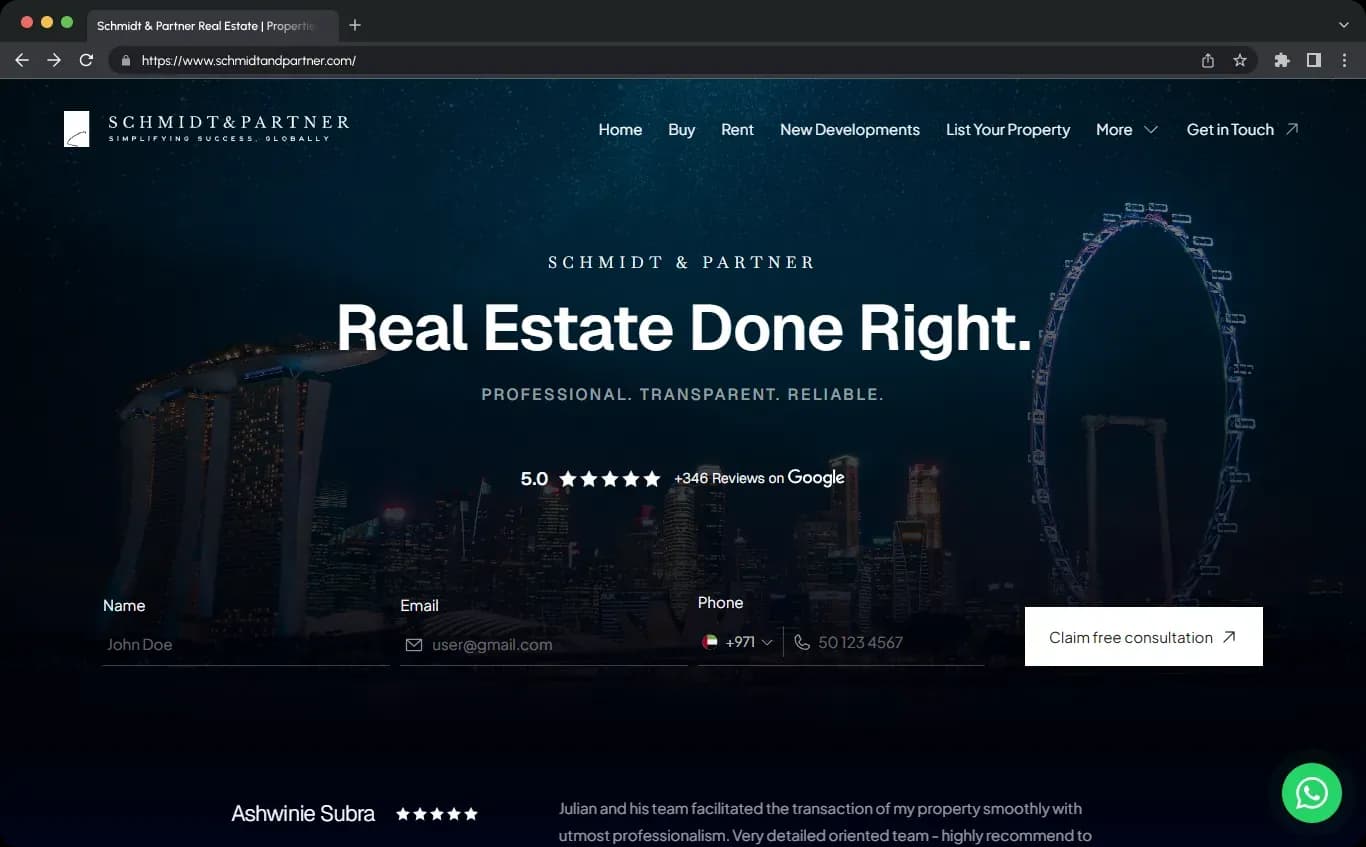
Asking for real estate reviews is no longer a small extra we add at the end of a transaction. It is one of the most practical ways we build trust, improve our online reputation, strengthen local SEO, and help future buyers and sellers feel confident before they ever contact us.
In real estate, people believe what past clients say about us far more than what we say about ourselves. We can describe ourselves as responsive, strategic, knowledgeable, and honest all day long. But when a buyer or seller says those same things in a public review, it becomes credible social proof. That is why a strong real estate review strategy matters so much.
Done well, a review request does more than generate positive reviews. It supports referrals, improves conversion from profile views to inquiries, enhances our Google Business Profile, strengthens our agent profile on major platforms, and gives us testimonials we can reuse across our website, listing presentations, and social media channels.
In this guide, we will cover when and how to ask for a real estate review, where to collect reviews, how to write better review requests, and the exact email, SMS, and in-person templates we can use to get more client feedback without sounding awkward or pushy.
Real estate is a trust business. A seller is trusting us with a major financial asset. A buyer is trusting us through a stressful and expensive process. Investors, relocating families, and first-time clients all want proof that we know what we are doing and that we will communicate clearly, negotiate effectively, and protect their interests.
That is where online reviews become so powerful. They help validate our credibility, reduce fear for new clients, and separate us from weaker agents in the same market. In a crowded field, reviews can be the difference between being considered and being chosen.
Strong real estate reviews also help us show the exact traits that future clients care about most, including:
That matters because many consumers are not just looking for a good agent. They are trying to avoid a bad one. Reviews often act as a first screening tool. They reassure people that we are not pushy, vague, hard to reach, or disorganized. When clients write things like “never pressured us,” “kept us informed,” or “looked out for our best interests,” they directly answer the fears that many prospects already have.
Traditional referrals still matter, but client reviews extend trust much further. A past client may tell a few friends about a good experience. A public Google review, Zillow review, or Realtor.com testimonial can influence hundreds of future prospects over time.
That is why we should treat asking for reviews as part of our reputation management and marketing system, not as a favor we hope clients will do for us. Reviews are part of our referral engine, our online visibility, and our conversion strategy.
The best review strategy usually includes one broad platform and one industry-specific platform. We want reviews where future clients are already researching agents.
If we have to prioritize one platform, Google reviews are usually the strongest place to start. Google supports local SEO, Google Maps visibility, and general trust. When someone searches for our name, our brokerage, or phrases like “real estate agent near me” or “best Realtor in [city],” our Google Business Profile can help us stand out.
If we generate leads from Zillow or Realtor.com, we should collect agent reviews there too. These platforms are often part of the buyer journey, and reviews on our agent profile can improve conversion from profile views to actual inquiries.
Facebook reviews and Yelp reviews are often secondary, but they can still support our broader online reputation. In some markets, Yelp has more influence than agents expect.
For the Australian market, realestate.com.au can be especially valuable. Reviews on an active agent profile reach people already in the property journey, including buyers and vendors researching agents.
Website testimonials should not replace public reviews, but they are still useful. Once we collect client feedback, we can repurpose it for landing pages, listing presentations, neighborhood pages, and agent bio sections.
One of the biggest factors in review conversion is reducing friction. If clients have to search for our profile, guess where to go, or stare at a blank review box without any direction, response rates drop.
Before we ask clients for reviews in real estate, we should prepare:
The simpler we make the process, the more likely clients are to leave feedback. The ideal path is one click, one clear ask, and one obvious destination.
The best time to ask for a review is usually soon after a successful outcome, when satisfaction is still fresh and the emotional win is clear. That might be:
That said, one mistake many agents make is treating closing as the only possible moment. In practice, clients are often distracted at closing. Buyers may be focused on movers, utilities, repairs, funding, and logistics. Sellers may be thinking about proceeds, deadlines, and relocation. So while post-closing review requests work well, we should also pay attention to positive milestone moments throughout the transaction.
Good review opportunities can happen when:
When clients clearly feel the win, they are more likely to leave a thoughtful review.
One of the smartest ways to improve review collection is to plant the seed early. We are not asking for the review upfront. We are simply framing the relationship and the service standard.
For example, we might say:
Our goal is to make this process smooth enough that by the end you feel great recommending us.
Or:
We are going to work hard to deliver five-star service, and if we do, we hope you will share your experience.
That small expectation makes the final review request feel natural rather than sudden. It also reminds us that reviews should flow from great service, not from pressure.
We should ask consistently, not randomly. That includes:
The key is fairness and consistency. We should ask broadly and ethically. We should not use review gating by only inviting clients we believe will leave a positive review while steering unhappy clients away from public platforms.
Timing and sensitivity matter. We may want to delay the request if:
Asking for a real estate review should feel aligned with the client experience. If the moment feels off, it probably is.
A review request works best when it feels natural. If a client usually responds to text, we should send an SMS. If they prefer email, email is the better option. If we have a strong relationship on the phone or in person, we can make the ask conversationally and then follow up with a direct link.
This is why multi-channel outreach often works so well. We might send an email first, then a text that says:
Hey [Name], we just sent over a quick email with the review link. If you have 2 minutes, we would really appreciate it.
That small nudge can lift completion rates because people miss emails, forget, or simply need a second prompt.
The best real estate review request is short, personal, specific, and easy to complete. It should do three things:
We should avoid generic asks like “Leave me a review sometime” because they create friction and give the client no reason to act now.
A better approach is:
Thank you again for trusting us with your home sale. We are so glad we reached a strong result. If you have a minute, would you mind sharing a quick review here? [link]
That is simple, human, and direct.
Many clients do not leave reviews because they do not know what to say. They liked the experience, but writing feels like work. So we should never leave them facing a blank box without guidance.
Helpful prompts include:
A particularly effective method is to ask two feedback questions first:
This gets clients thinking concretely and often produces language we can naturally point them back to. For example:
Thank you so much for sharing that. What you said about communication and keeping things calm during inspection would probably help other buyers and sellers a lot. Would you be willing to copy some of that into a quick Google review? Here is the link: [link]
Not all reviews do equal work. A review that says “Great agent” is nice. But a review that says we were responsive, explained each step clearly, handled inspection issues calmly, and negotiated a strong result is far more persuasive.
The most useful real estate testimonials tend to mention:
These details answer the hidden questions future clients are already asking: Will this agent protect me? Can they solve problems? Will they keep me informed? Are they honest? Will they pressure me?
Hi [Name], thank you again for trusting us with the sale of your home. We’re so pleased we achieved [result]. If you have a minute, we’d really appreciate it if you could leave a quick review here: [link]. If helpful, many clients mention communication, marketing, negotiation, and the final outcome. Thank you again.Hi [Name], congratulations again on your new home. It was a pleasure helping you through the purchase. If you have 60 seconds, would you mind leaving a quick review here: [link]? Other buyers often mention communication, guidance, and how the process felt from start to finish. Thank you so much.Hi [Name], just a quick follow-up in case you meant to circle back. If you’re still open to leaving a review, here’s the direct link: [link]. We really appreciate it. Thank you.Subject: A quick favor after the sale of [address]
Hi [Name],
Thank you again for the opportunity to help sell your home at [address]. We’re so glad we were able to achieve [result].
If you have a minute, we’d be grateful if you could leave a quick review here: [link].
Many clients mention things like communication, pricing strategy, marketing, negotiation, and the final result, in case that helps as a starting point.
Thank you again for your trust and support.
Best,
[Your Name]Subject: Quick favor?
Hi [Name],
Congratulations again on your new home in [street/neighborhood]. It was a pleasure helping you through the buying process.
If you’re willing, would you share a quick review about your experience here: [link]?
Some buyers mention what stood out most to them, such as communication, local advice, negotiation support, or the overall result.
Thank you again, and we’re excited for you as you settle in.
Best,
[Your Name]Thank you so much for saying that. We really appreciate your kind words. What you shared about feeling informed and never pressured would be incredibly helpful for other people trying to choose an agent. If you’re open to it, would you mind sharing that in a quick review here? [link]Face-to-face requests work especially well when the energy is positive and the ask feels natural.
We’re so excited for you. Congratulations again. If you don’t mind, would you share a quick review about your experience working with us? It really helps other buyers and sellers choose confidently. We’ve got a QR code here that takes you straight to the review page.
When possible, make the next step immediate. Hand over a QR code card or text the direct review link while you are still with them.
A phone ask can work well after a major problem has been solved or a milestone has been reached.
We’re glad we got that sorted and kept everything on track. If you have a minute, would you be open to sharing that experience in a quick review? We can text or email you the direct link. What’s easiest?
This keeps the request conversational instead of transactional.
If we want the review on a specific platform, we should say so clearly. Vagueness lowers response rates.
Hi [Name], would you mind sharing your experience on Google? It helps people researching agents in [area]. Here’s the direct link: [link]. Thank you.
Hi [Name], if you have a minute, we’d love for you to post a review on our Realtor.com agent profile. It really helps future clients understand what it’s like to work with us. Here’s the link: [link].
Hi [Name], would you mind leaving a quick review on Zillow? It helps buyers and sellers who are comparing agents online. Here’s the direct review link: [link]. Thank you again.
The biggest mindset shift is this: reviews should not be random. If asking for reviews depends on memory, we will be inconsistent. Some clients will be asked, some will not, and many great experiences will never turn into public proof.
Instead, we should create a repeatable review process.
This kind of cadence keeps review collection consistent without making the process feel robotic.
Follow-up matters because people forget. Not because they are unhappy, but because they are busy. A simple and respectful cadence is:
We should keep reminders short and warm, then move on gracefully if there is no response.
Poor review requests usually fail for predictable reasons. We should avoid:
We should also avoid treating reviews as a desperate favor. If we delivered great service, then asking for honest client feedback is completely reasonable. We are simply asking the client to tell the truth about their experience.
Review collection has to be handled ethically. That means:
We should also follow platform rules and our brokerage policies, especially when using testimonials in marketing. If we want to publish video testimonials, quote reviews on our website, or share a client’s name, image, or detailed story, we should get clear consent and confirm that we are complying with local advertising rules.
Collecting reviews is only half the process. We should also respond to client reviews because it shows professionalism and signals that we value feedback.
Thank you, [Name]. It was a pleasure helping you [buy/sell] your home, and we’re so glad we achieved a great result together. We really appreciate your kind words about communication and strategy. Wishing you all the best in your next chapter.A thoughtful response to a negative review can actually strengthen trust with future prospects because it shows maturity and accountability.
A review should not live in only one place. Once we collect real estate testimonials, we can turn them into broader marketing assets.
We can reuse reviews on:
This is especially useful for listing presentations. A seller who is deciding whether we are trustworthy, strategic, local, and worth the commission will often look us up before or after the appointment. A strong profile full of seller reviews supports that conversation even before we speak again.
Video testimonials can be a powerful next step because they create emotional trust faster than written quotes alone. They feel more personal and can be reused across multiple channels.
Good prompts for video testimonials include:
They do not need to be highly produced. They just need client permission, a comfortable setting, and a short, natural format.
If we want to build a real review engine, we should track performance. Useful metrics include:
This helps us learn what actually works. For example, we may find that text outperforms email, that Google converts better than Facebook, or that requests sent after move-in perform better than those sent on closing day.
For teams and brokerages, the best approach is a simple SOP. Review generation becomes easier when everyone follows one process.
That might include:
Automation can help, but it should remove admin friction rather than replace human tone. Clients respond best when the message still sounds personal and connected to their actual transaction.
The best way to ask for real estate reviews is simple: ask at the right moment, through the right channel, with the right link, in a short and human message. Then follow up politely, respond to every review, and reuse strong testimonials across your marketing.
When we make review requests part of our normal process, reviews stop being occasional luck and start becoming a real business asset. They build trust before the first conversation, strengthen our online reputation, improve local SEO, support referrals, and help future buyers and sellers choose us with more confidence.
In short, we should not leave our reputation to chance. We should ask for reviews on purpose, ask consistently, and make it easy for clients to say yes.

Hey, in Propphy we're determined to make a business grow. My only question is, will it be yours?
It's totally free, with no commitments
Hey, in Propphy we're determined to make a business grow. My only question is, will it be yours?
It's totally free, with no commitments