If you want to become a luxury real estate agent, you’re not just chasing bigger commissions—you’re stepping into a niche where service, discretion, and expertise matter as much as marble countertops and skyline views. In this guide, we’ll walk through exactly how we would break into the luxury property sector today, from licensing and certifications to branding, networking with high‑net‑worth individuals, and building a long‑term, high‑income career.
What Does a Luxury Real Estate Agent Actually Do?
Before we talk about how to become a luxury real estate agent, we need to be clear on what the role really is—and what it isn’t.
Luxury isn’t just a price point; it’s a niche defined by:
- Prime locations – blue‑chip neighbourhoods, waterfront addresses, iconic buildings, the best school districts.
- Exceptional quality – high‑end materials, signature architecture, bespoke interiors, advanced security and privacy.
- Lifestyle and status – concierge‑level services, wellness amenities, private docks, rooftop terraces, smart‑home ecosystems.
- Scarcity – limited inventory in coveted postcodes or buildings.
What does a luxury real estate agent do all day in this context?
- Advises high‑net‑worth individuals (HNWIs) and ultra‑HNWIs on buying, selling, and holding premium properties.
- Curates an exclusive client experience from first contact to post‑closing.
- Protects privacy, reputation, and security for demanding, time‑poor clients.
- Positions properties as both lifestyle assets and financial instruments.
- Manages complex negotiations where millions are on the line and multiple advisors are involved.
The difference between traditional and luxury real estate is less about square footage and more about expectations. Luxury clients assume you’re technically competent; they judge you on your judgement, discretion, network, and ability to deliver seamless results.
Step 1: Get Your Real Estate License and Core Education
You can’t become a luxury estate agent without first becoming a competent real estate agent. Luxury is a specialisation, not a shortcut around the basics.
Real Estate License Requirements (General Path)
The exact process varies by country and state, but typically you must:
- Meet basic eligibility (age, education, legal background).
- Complete pre‑licensing coursework (often 60–180 hours).
- Pass a licensing exam covering property law, contracts, agency, ethics, and finance.
- Affiliate with a licensed brokerage to legally practice.
Whether you’re in the US, Europe, or the Middle East, treat this as your professional foundation. Luxury clients won’t ask whether you’re licensed—they’ll assume you are and judge everything else against that baseline.
Commit to Continuous Learning from Day One
To progress from conventional to luxury real estate, we focus our early education on:
- Advanced valuation and pricing strategies for unique, hard‑to‑comp areas.
- Negotiation skills at high price points, including multi‑party and cross‑border deals.
- Legal and tax basics (always in coordination with qualified professionals).
- Luxury market reports and wealth studies that explain where global money is moving.
From the start, we treat education as a permanent line item in our business plan, not a one‑off licensing hurdle.
Step 2: Build True Luxury‑Specific Expertise
Becoming a luxury real estate agent means knowing more than the average agent—about your market, architecture, design, and the behaviour of wealthy clients.
Become a Hyper‑Local Expert in the Upper Tier
At the luxury level, broad averages are useless. We drill down to:
- Street‑by‑street differences in price and perception.
- Which buildings or enclaves command a premium and why (views, services, history, scarcity).
- Inventory patterns: what sells fast, what lingers, and typical negotiation spreads.
- Buyer profiles: where HNWIs in your niche come from and what they value.
When a seller asks, “What are homes like mine really worth right now?”, a luxury Realtor cannot answer with guesses. You need hard numbers and nuanced context.
Learn the Language of Architecture, Design, and Materials
To talk like a luxury agent, we become fluent in the details:
- Key architectural styles in our market (contemporary, Mediterranean, Art Deco, Haussmannian, mid‑century, etc.).
- Interior design trends favoured by affluent clients—minimalist luxury, biophilic design, wellness‑oriented spaces.
- Materials and finishes: herringbone vs. parquet flooring, natural stone vs. engineered, premium fixtures and lighting.
- Construction quality indicators: insulation, acoustics, windows, security systems.
This level of detail lets us highlight not just what a property has, but why it matters and how it compares to other luxury properties on the market.
Understand Wealth, Investment, and Luxury Buyer Psychology
Luxury real estate clients are not simply “rich versions” of standard buyers. They’re typically:
- Time‑poor and cash‑rich, delegating much of the process to trusted advisors.
- Focused on capital preservation, diversification, and legacy, not just a nice kitchen.
- Highly sensitive to privacy, security, and reputation.
We study:
- Why they buy (lifestyle, investment, status, secondary passports or residency).
- How they evaluate risk and reward in property.
- Which cities and neighbourhoods global wealth is migrating to.
This perspective is what allows us to position prime real estate as both an exceptional living environment and a secure long‑term investment.
Step 3: Earn Luxury Real Estate Certifications and Designations
Formal designations aren’t mandatory to break into the luxury real estate market—but they’re powerful accelerators for credibility, skills, and networking.
Key Luxury Certifications: CLHMS™ and LHC
- Certified Luxury Home Marketing Specialist (CLHMS™)
Offered by The Institute for Luxury Home Marketing, this luxury real estate designation focuses on: - Luxury home marketing strategies.
- Upper‑tier buyer and seller psychology.
- Branding yourself as a luxury home specialist.
- Accessing a global referral network of top luxury agents.
- Luxury Homes Certification (LHC)
An education‑driven certification for agents wanting to hone their skills in the luxury home market: - Advanced pricing strategies for unique luxury properties.
- Negotiation tactics tailored to high‑end deals.
- How to stand out from the crowd in the luxury segment.
Completing a luxury homes certification (LHC) or CLHMS™ shows affluent clients—and other agents—that we’re serious about this niche and equipped with up‑to‑date luxury home marketing training.
Other Training and Credentials to Consider
- National or regional real estate certifications focused on negotiation, international transactions, or investment analysis.
- Specialised courses in luxury brand management or luxury marketing, including MBAs or executive programs where relevant.
- Workshops on storytelling, copywriting, and digital marketing for premium audiences.
The goal isn’t to collect acronyms, but to stack real skills that directly impact the way we price, market, and negotiate luxury listings.
Step 4: Choose the Right Brokerage or Luxury Team
Your brokerage is either a launchpad into the luxury property sector or a ceiling over your head. We’re very deliberate here.
What to Look For in a Luxury‑Friendly Brokerage
- Brand reputation in the upper tier—does the firm already handle prime and ultra‑prime listings?
- Training and mentoring in luxury listing marketing, pricing, and negotiation.
- Marketing infrastructure: in‑house design, PR, videography, and listing coordination.
- Global referral networks that connect you with international buyers and investors.
- Company culture—collaborative enough for senior agents to share knowledge and co‑list.
We often recommend starting with a brokerage or boutique team that already has a strong foothold in the luxury real estate market, even if the commission split is lower. A small share of a multi‑million‑dollar deal beats a full share of a basic starter home transaction.
Why Joining an Established Luxury Team Can Be the Fastest Route
One of the most effective ways to become a luxury estate agent quickly is to join an existing luxury listing team and earn your way in. The advantages:
- Immediate exposure to high‑end listings and clients.
- Ability to shadow listing appointments, showings, and negotiations.
- Access to proven systems, vendors, and marketing templates.
- Credibility by association with a known luxury Realtor brand.
Yes, you give up some commission. But you gain years of learning compressed into months, and you start networking at the right level far sooner.
Step 5: Build a Premium Personal Brand and Online Presence
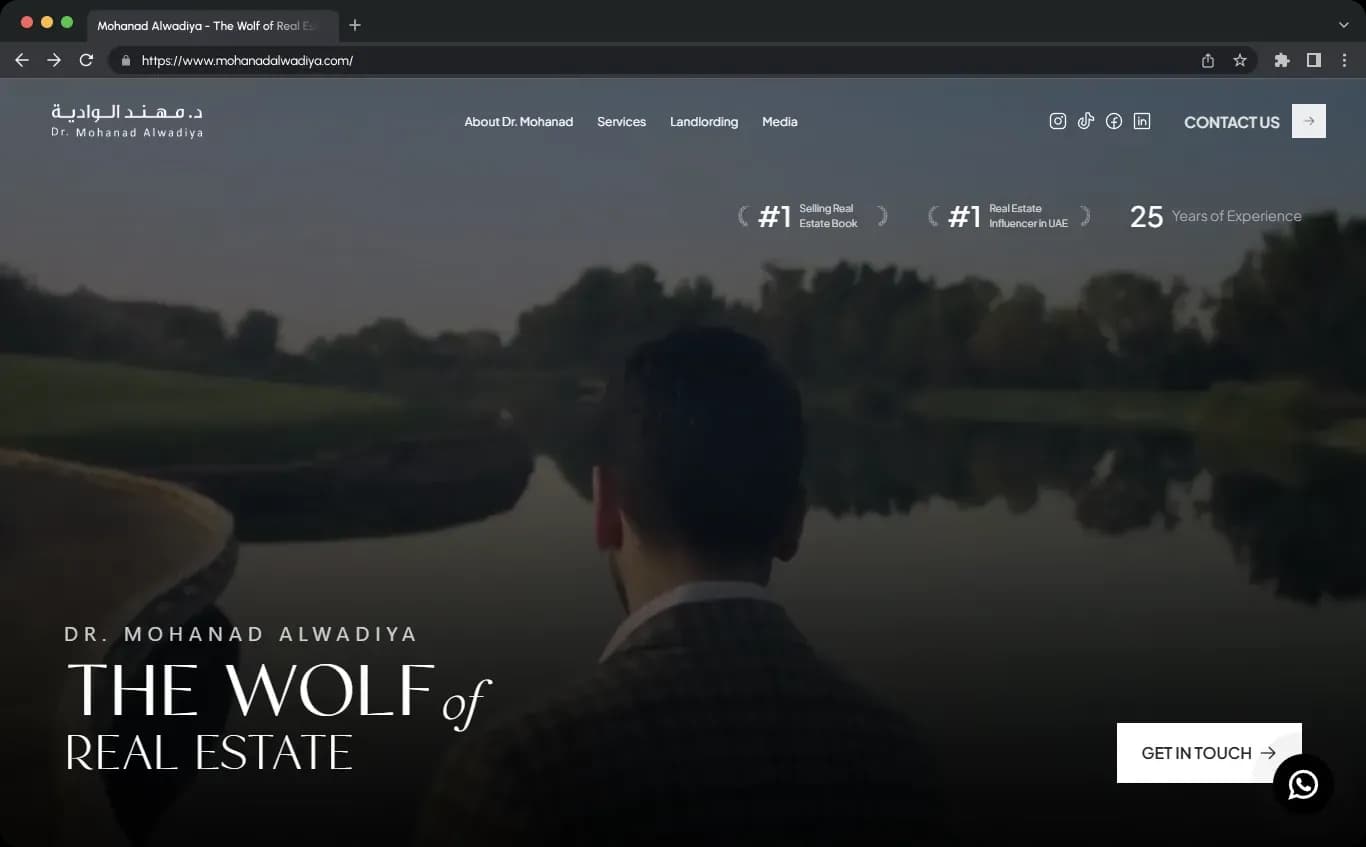
In the luxury segment, your brand is often evaluated before you even get a phone call. High‑end clients will Google you, scroll your Instagram, and scan your website long before they decide to meet.
Core Brand Assets for a Luxury Real Estate Agent
- Professional headshots and lifestyle photos
Not just a passport‑style picture. We invest in: - Studio portraits that feel polished and confident.
- On‑location shoots in premium neighbourhoods or luxury interiors.
- Images suitable for website, social media, press, and listing presentations.
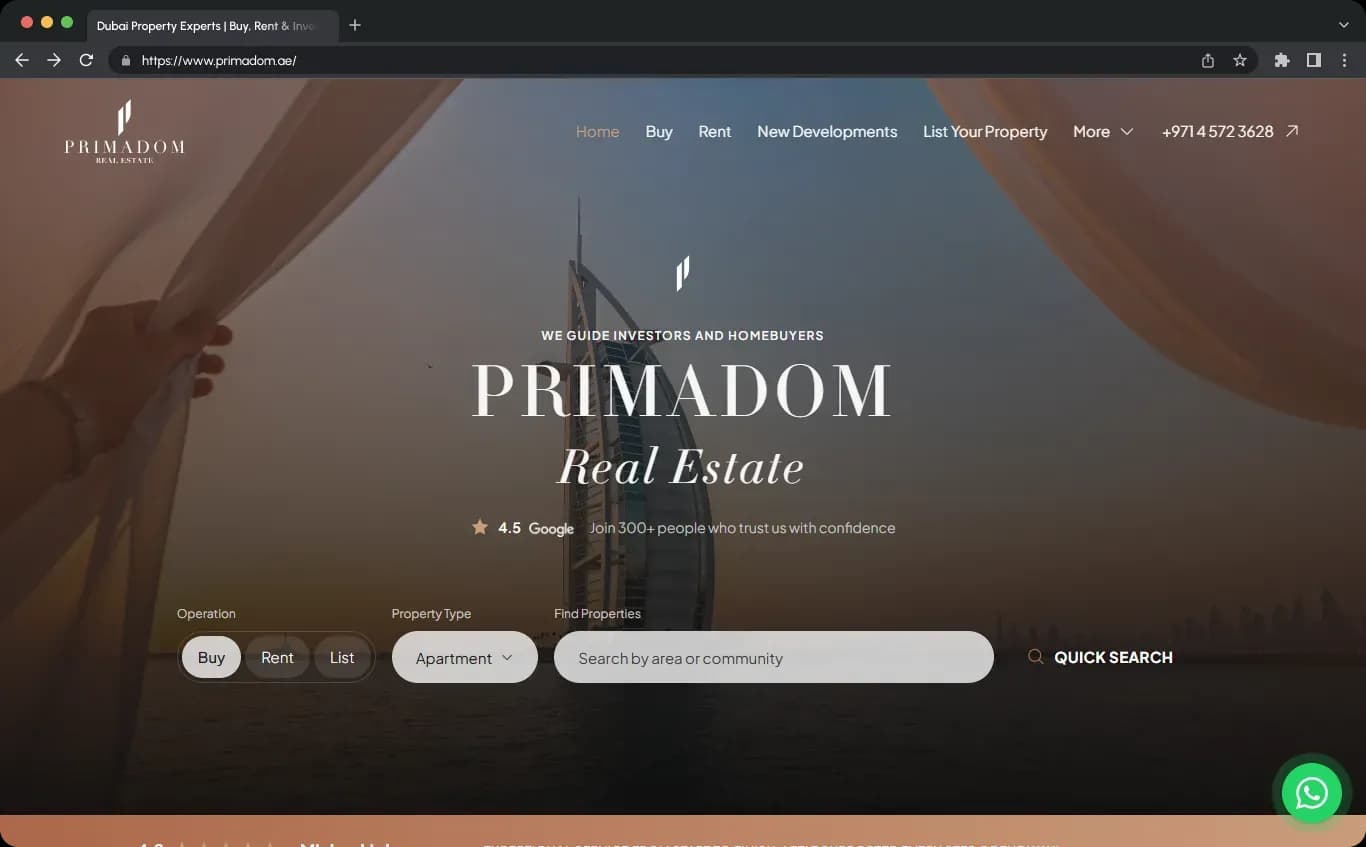
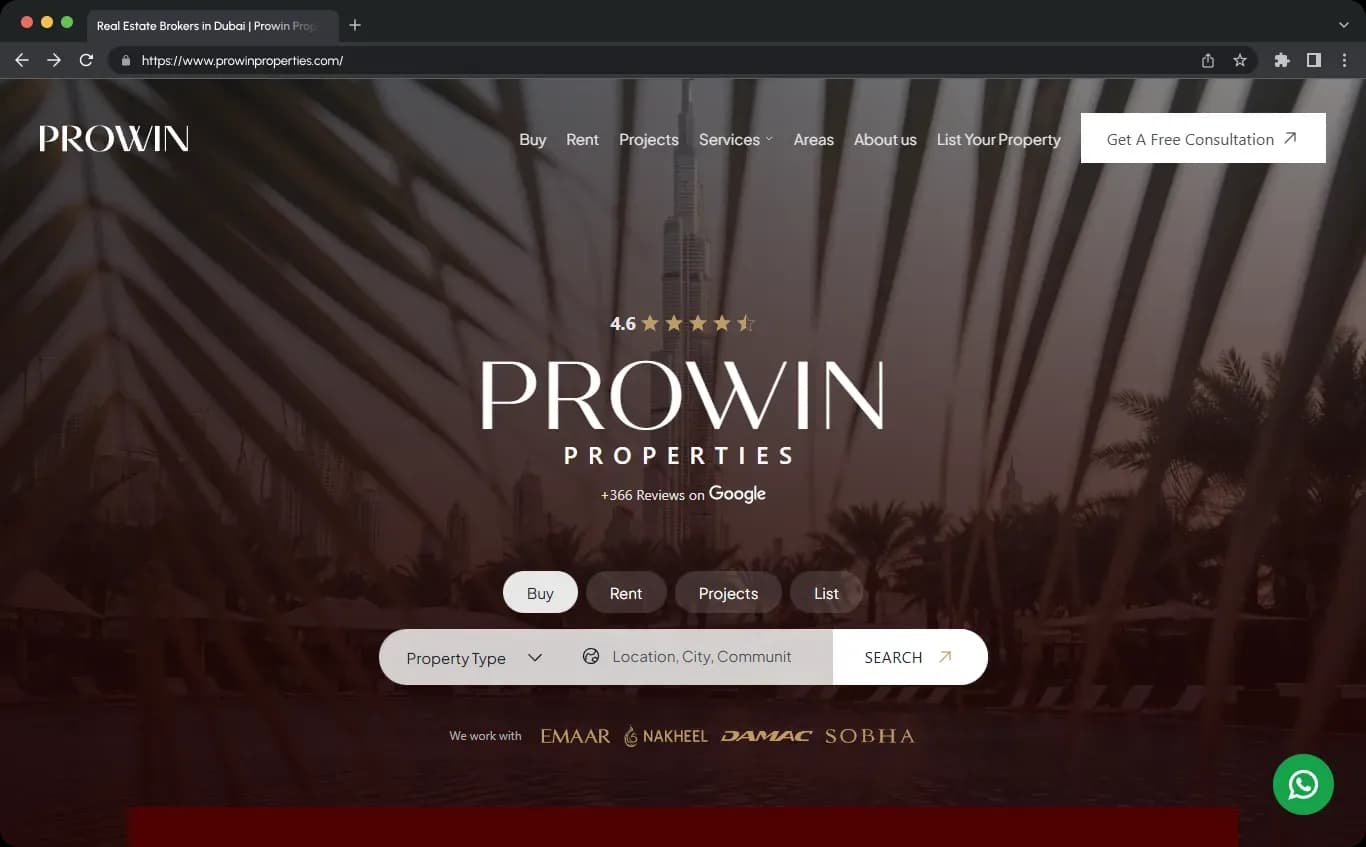
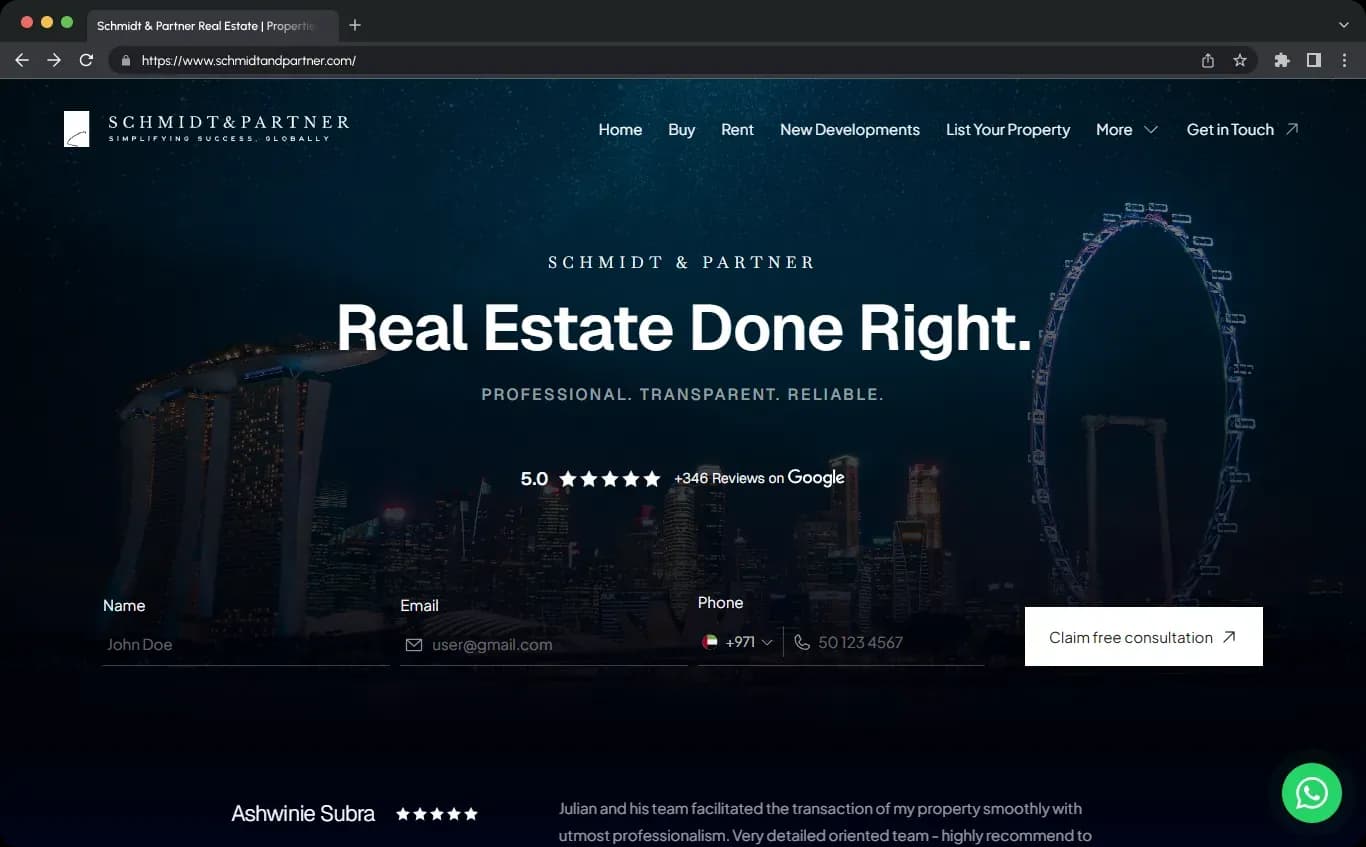
- A clean, luxury‑oriented website
Our site needs to: - Display luxury listings and sold properties convincingly.
- Showcase our expertise with market insights and neighbourhood guides.
- Load fast, look modern, and work seamlessly on mobile devices.
- Strategic social media profiles
We focus on: - Instagram for visual storytelling and short‑form video.
- LinkedIn for credibility with executives and professionals.
- Possibly YouTube or TikTok for long‑form tours and lifestyle content.
Position Yourself as a Luxury Real Estate Specialist
Generic branding doesn’t work at the high end. We clearly define:
- Who we serve: luxury condos, waterfront homes, penthouses, specific neighbourhoods.
- What differentiates us: off‑market access, data‑driven pricing, design fluency, cross‑border transaction support, or white‑glove service.
- How we communicate: professional yet approachable tone, consistent visuals, and high‑quality content.
Everything—from our email signature to listing presentations—reinforces a single message: we are the go‑to luxury real estate specialist in our chosen niche.
Step 6: Master Luxury Listing Marketing and Presentation
To become a top luxury real estate agent, we treat marketing as an art and a science. Basic listing photos and generic descriptions are not acceptable.
Non‑Negotiable Elements of Luxury Listing Marketing
- A‑level photography
We hire photographers experienced in high‑end real estate to capture: - Architectural exteriors and twilight shots.
- Key lifestyle spaces: great rooms, primary suites, terraces, home offices, spa bathrooms.
- Close‑ups of premium materials, craftsmanship, and design details.
- 3D tours and detailed floor plans
These are essential for international buyers and busy executives who preview properties remotely. - Professional video and drone footage
We create: - Cinematic walkthroughs with smooth transitions.
- Drone shots showing orientation, views, and proximity to key amenities.
- Short teaser cuts for social media plus longer full tours.
- Story‑driven listing descriptions
Instead of just listing features, we write copy that sells the lifestyle and story of the property: - “Wake up to panoramic sunrise views over the city.”
- “Host evenings in a dining room framed by floor‑to‑ceiling glass and skyline vistas.”
- Paid and organic digital promotion
We use: - Targeted social media ads to reach likely luxury buyers.
- Email campaigns to our database and relevant partners.
- Selective PR and feature placements for truly special properties.
Create a Luxury‑Level Listing Presentation
Before a high‑end seller signs with us, they want proof that we can compete with the best luxury agents in their city. Our pre‑listing package typically includes:
- A concise bio and positioning statement explaining our luxury focus.
- Market data on recent high‑end sales and pricing trends.
- A visual marketing plan including photography, video, staging, and digital strategies.
- Examples of past premium marketing assets and case studies.
- Testimonials or references from clients, where available.
The aim is to show that our process matches the quality of the property we’re pitching to represent.
Step 7: Network Strategically with HNWIs and Key Gatekeepers
Breaking into the luxury real estate market isn’t just about skill; it’s about access. We design our networking to put us in the right rooms and conversations consistently.
Go Where Affluent Clients Naturally Spend Time
Depending on your market, that might include:
- Private clubs, golf courses, and marinas.
- Art galleries, charity galas, and cultural events.
- High‑end fitness clubs or boutique studios.
- Upscale restaurants, hotel bars, or lounges.
- Business and entrepreneurial groups or invite‑only networking clubs.
We’re not there to “pitch” constantly; we’re there to become part of the fabric of those communities, so that real estate inevitably comes up as a natural topic of conversation.
Build a Referral Network Around the Luxury Client
Some of our most valuable relationships as luxury agents are with:
- Private bankers and wealth managers who know when clients are restructuring assets.
- Attorneys specialising in estate planning, family law, and corporate matters.
- Accountants and tax advisors advising on property‑related decisions.
- Interior designers, architects, and developers who shape the luxury living experience.
We focus on giving these professionals value first: market updates, introductions, insight into local trends, and a reliable service for their clients. Over time, they become a powerful source of high‑quality referrals.
Join Luxury‑Focused Professional Organizations
To deepen our expertise and extend our reach, we often join:
- The Institute for Luxury Home Marketing for training, peer learning, and CLHMS™ designation.
- Local or national luxury real estate councils or networks, where available.
- Relevant business or luxury industry groups in our city.
These platforms help us stay ahead of luxury real estate market trends and plug into referral pipelines that would be hard to build alone.
Step 8: Develop the Luxury Agent Mindset and Soft Skills
Technical knowledge will get you into the conversation. Soft skills will determine whether you keep the client and close the deal.
Core Soft Skills for Luxury Real Estate Agents
- Confidence without ego
We need to feel comfortable advising CEOs, entertainers, and investors—without being star‑struck or defensive. Confidence comes from preparation and genuine expertise. - Emotional intelligence
Luxury transactions can be emotionally charged. We learn to read the room, understand decision dynamics, and respond with empathy rather than pressure. - Discretion and confidentiality
This is non‑negotiable. We protect client identities, financial details, and personal circumstances rigorously. - High‑level communication
Clear, concise communication—written and verbal—is critical. We adapt our style to each client, from highly analytical to highly visual. - Long‑term thinking
We treat every interaction as the beginning of a potential decades‑long relationship, not a single transaction.
Negotiation Skills for High‑End Property Sales
Negotiation in luxury deals has its own nuance:
- We rely heavily on data and precedent while recognising the unique nature of each property.
- We understand and factor in non‑price terms like timelines, inclusions, confidentiality, and post‑closing arrangements.
- We stay calm under pressure and frame each step as problem‑solving, not combat.
We continuously refine these skills via courses, coaching, and post‑deal analysis of what worked and what didn’t.
Step 9: Understand Income, Commissions, and Risk in Luxury Real Estate
A big part of why people want to become luxury real estate agents is the income potential. The upside is real—but so are the risks and volatility.
How Much Do Luxury Real Estate Agents Earn?
Commission rates in the luxury property market are often in the 3–7% range, depending on location and property type. That means:
- A single €3M sale at 3% generates €90,000 in gross commission.
- In major markets (Paris, Côte d’Azur, London, New York, Dubai, etc.), top luxury agents can complete multiple such transactions per year.
Average earnings vary widely, but as a rough guide:
- Newer luxury agents who manage to close a small number of deals might be in the €50,000–€100,000+ per year range.
- Seasoned top luxury agents in prime locations can reach several hundred thousand to over a million annually, depending on volume, price point, and brokerage splits.
Risks and Challenges in the Luxury Property Sector
With that potential comes real trade‑offs:
- Longer sales cycles: luxury listings can take months or even longer to sell.
- Higher competition: you’re often competing with household‑name agents.
- Income volatility: months of intense work can go unpaid if a deal falls through.
- High client expectations: mistakes can be costly, both financially and reputationally.
We treat ourselves as entrepreneurs building a professional services business, with proper budgeting, reserves, and strategic planning.
Step 10: A Practical Roadmap to Becoming a Luxury Real Estate Agent
Pulling everything together, here’s a phased roadmap we’d follow to become a luxury real estate specialist as efficiently as possible.
Phase 1 – Foundations (0–6 Months)
- Get licensed and join a solid brokerage.
- Complete your brokerage’s onboarding and initial training.
- Begin daily market study in your target high‑end neighbourhoods.
- Enroll in or plan for luxury‑oriented courses (CLHMS™, LHC, or similar).
Phase 2 – Niche and Brand Building (3–12 Months)
- Choose a niche:
- By geography (e.g., one or two prime neighbourhoods).
- By property type (penthouses, waterfront villas, country estates).
- Invest in:
- Professional brand assets (photos, logo if appropriate, website).
- Consistent social media presence focused on premium content.
- Improve your design and architecture fluency through reading, property tours, and conversations with designers and builders.
- Start attending a handful of events and venues where affluent locals spend time.
Phase 3 – Exposure and Execution (6–24 Months)
- Seek opportunities to join or partner with a luxury team, even if it means lower splits initially.
- Shadow or assist on:
- Luxury listing consultations.
- High‑end showings.
- Negotiations for significant deals.
- Treat every listing—no matter the price—as if it were a luxury listing in terms of marketing quality.
- Build and systemise your referral network with lawyers, bankers, and other professionals.
Phase 4 – Authority and Scale (12+ Months)
- Publish market insights, neighbourhood guides, and thought leadership about your niche.
- Proactively ask satisfied clients for reviews and warm introductions.
- Refine your listing process into a repeatable, premium experience.
- Gradually move up price brackets and consider co‑listing marquee properties to extend your track record.
FAQs About Becoming a Luxury Real Estate Agent
How fast can you become a luxury real estate agent?
If you are starting from scratch, we typically see a realistic horizon of 12–24 months to break into the luxury segment in a meaningful way. Joining an established luxury team and investing early in branding, certifications, and networking can compress that timeline.
Can you get into luxury real estate with no previous real estate experience?
Yes—but you still need to follow the two‑step path: first become a competent, licensed real estate agent, then specialise as a luxury real estate specialist. That specialisation comes from targeted education, mentorship, and exposure to high‑end listings, not from skipping the basics.
What skills are most important to enter the luxury property sector?
The key skills include:
- Deep market knowledge and analytical ability.
- Excellent communication and negotiation skills.
- Discretion, integrity, and reliability.
- Strong personal branding and marketing acumen.
- Ability to build and nurture high‑level relationships over time.
Is becoming a luxury estate agent worth it?
If you enjoy high standards, complex deals, and working with demanding but often fascinating clients, the luxury real estate market can be both financially rewarding and personally satisfying. It requires patience, professionalism, and a genuine commitment to operating at an elevated level—but for those who lean into that challenge, the upside is significant.
Ultimately, becoming a luxury real estate agent is about building a reputation as the trusted advisor for high‑end property decisions in your market. Licence in hand, luxury certifications earned, brand established, and network growing—you’re no longer just selling homes. You’re curating rare spaces and long‑term investments for some of the most discerning clients in the world.