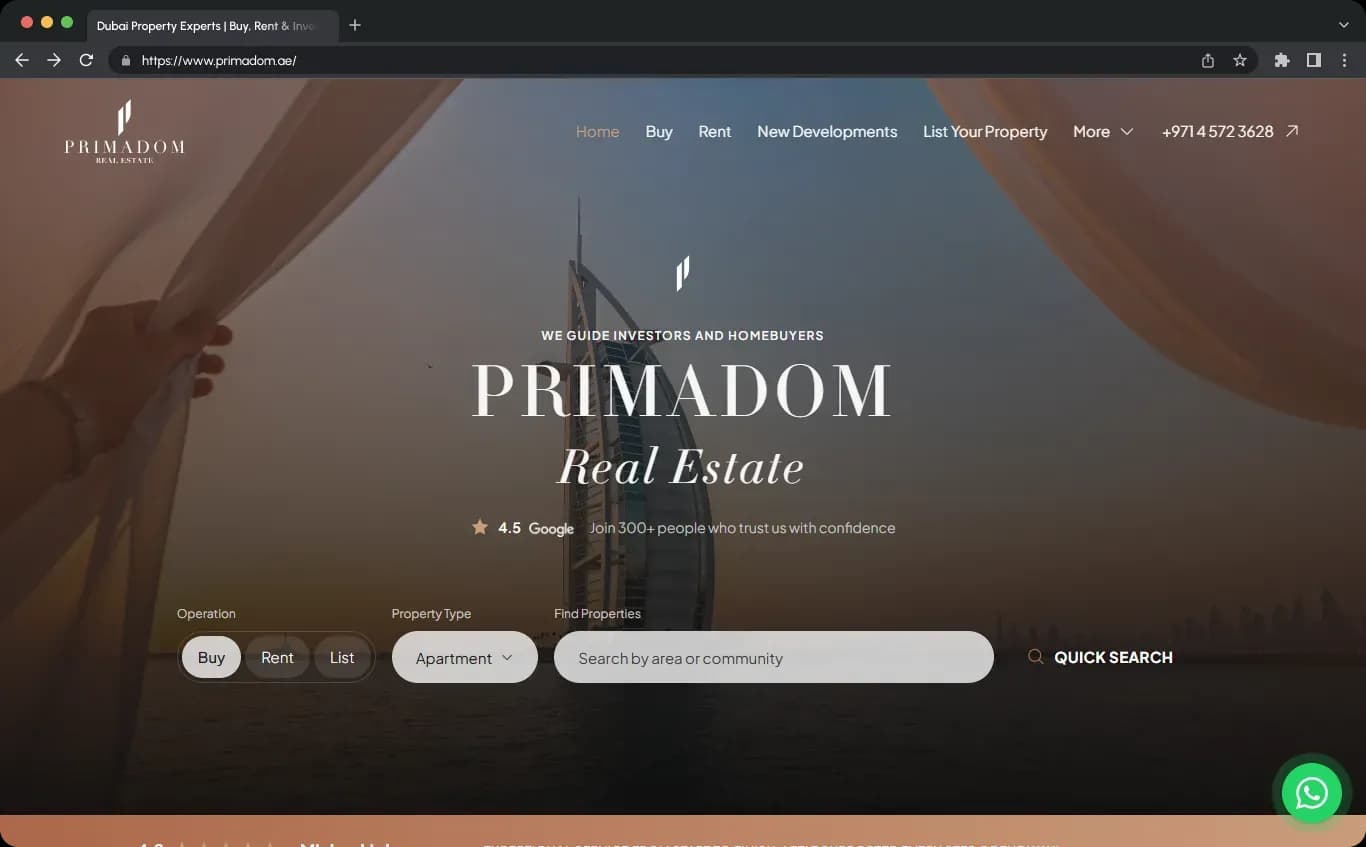
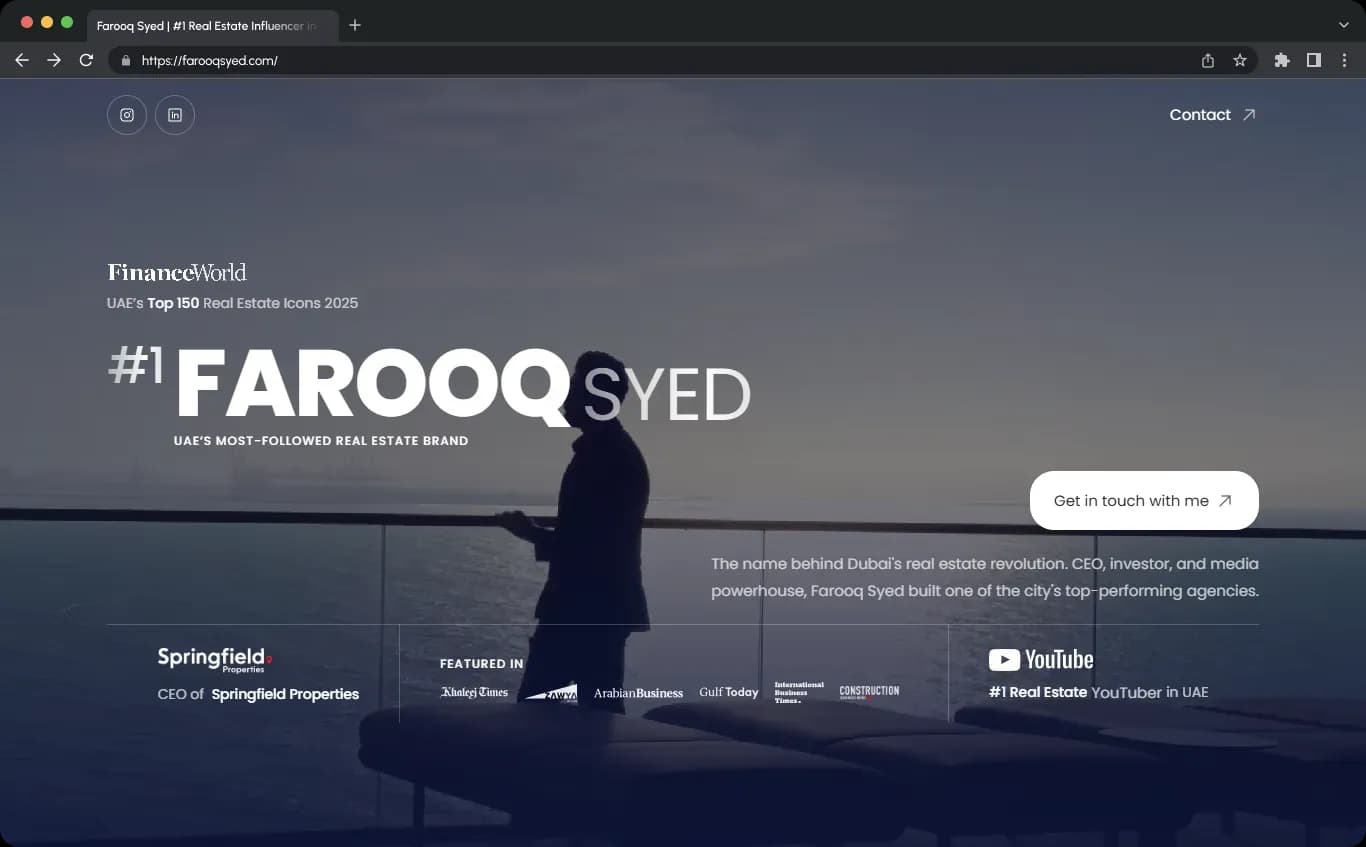
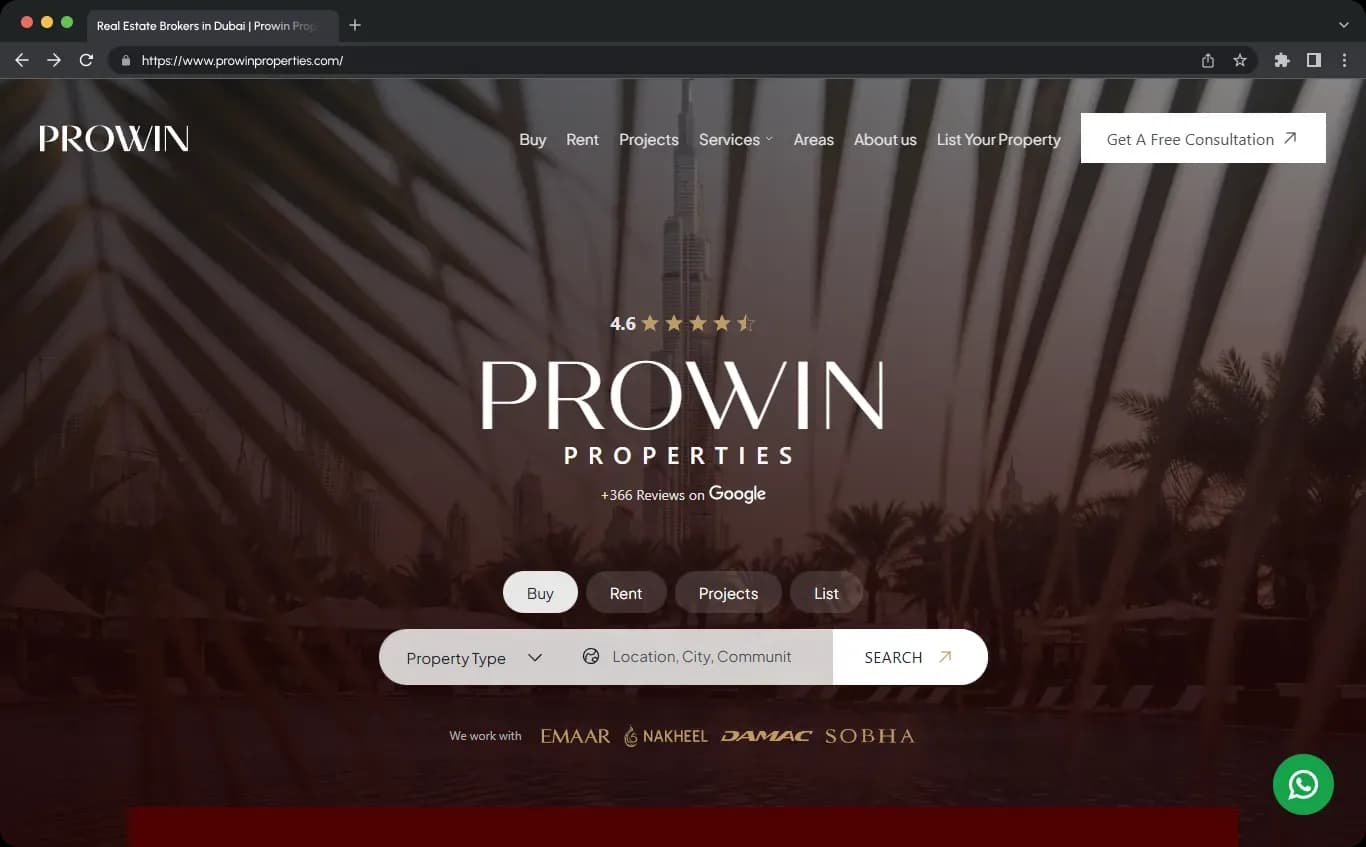
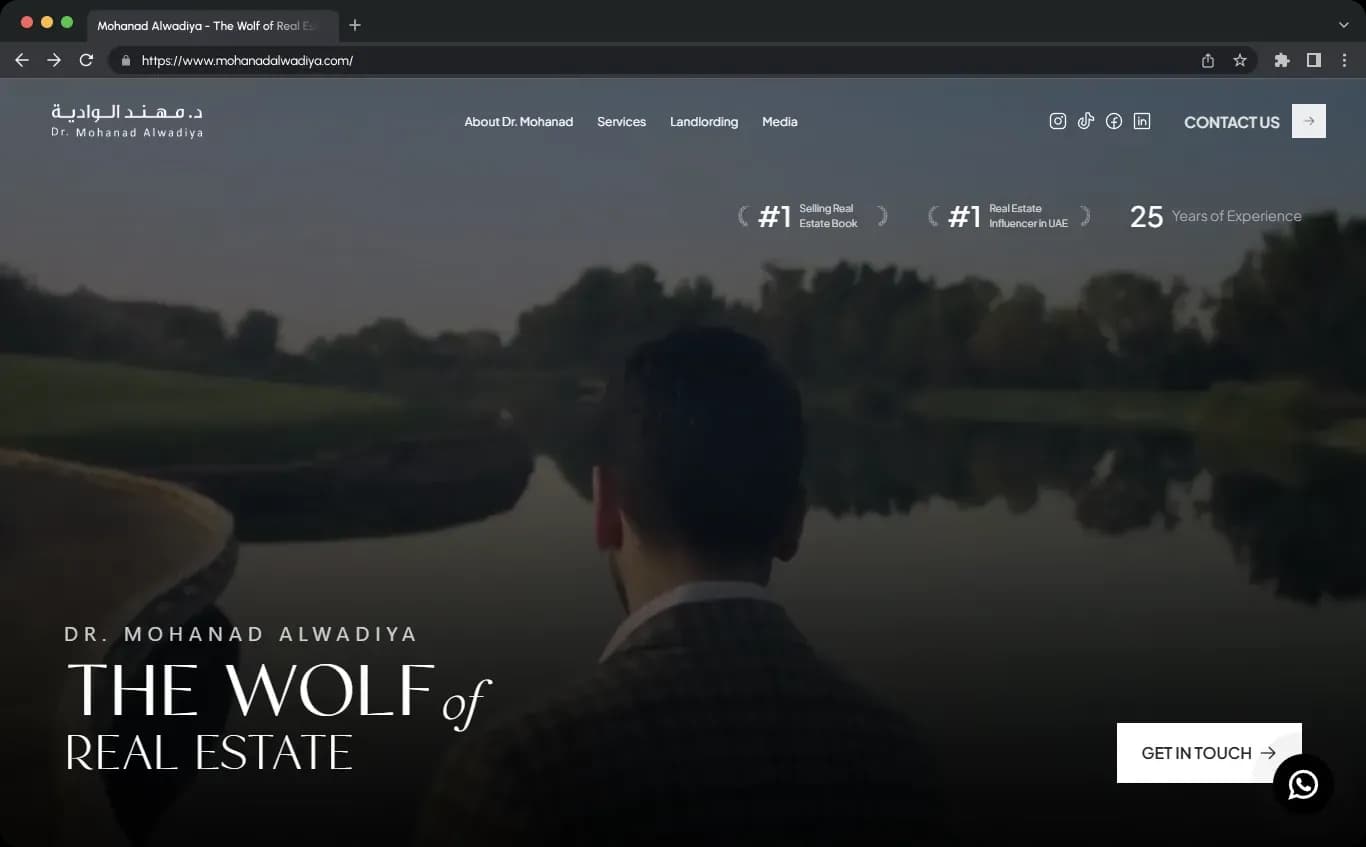
Luxury real estate branding is often misunderstood. Many people assume it starts and ends with a polished logo, black-and-white visuals, dramatic listing videos, expensive suits, and glossy mansions on social media. In reality, luxury real estate branding is much deeper. It is the deliberate creation of a brand identity that communicates exclusivity, trust, elegance, expertise, and excellence across every client touchpoint.
In the luxury property market, buyers are not simply purchasing square footage or premium finishes. They are buying privacy, confidence, status, belonging, and an aspirational lifestyle. That is why luxury property branding must do more than look expensive. It must feel believable, coherent, and emotionally resonant.
When we build a luxury real estate brand identity, we are not trying to imitate wealth. We are creating a premium, refined, and credible presence that makes high-net-worth clients feel understood and well represented. That is the difference between surface-level marketing and true real estate branding strategy.
A luxury real estate brand is not defined by price alone. Plenty of expensive listings are marketed poorly, and plenty of agents use luxury aesthetics without earning luxury trust. What makes a brand feel high-end is the way it consistently signals four qualities:
These four pillars separate premium real estate branding from standard real estate marketing.
Elegance is about restraint, taste, and polish. It appears in the typography, color palette, photography, tone of voice, and pacing of the brand. Luxury rarely needs to shout. In fact, the strongest prestige real estate branding is often quieter than people expect.
Luxury clients are drawn to rarity. A strong luxury brokerage branding strategy suggests access to exceptional properties, elite communities, private opportunities, and bespoke service. It makes clients feel they are entering a world that is curated, not mass-market.
Affluent buyers and sellers can sense insecurity quickly. They have experience with high-level professionals in other industries, and they know what competence feels like. A credible real estate brand identity must reflect deep market knowledge, discretion, confidence, and problem-solving ability. Confidence matters here, but not arrogance. The best brands communicate calm authority.
Luxury is not just what we promise. It is how we deliver. The website, communication, presentation materials, private showings, follow-up, and negotiation process all need to feel seamless. In luxury, the client experience is the brand.
One of the biggest misconceptions in this space is that luxury branding means “looking expensive.” That is not enough. We do not need to fake a social circle, copy television real estate, or build a costume version of success. What actually works is a combination of authority, consistency, emotional intelligence, presentation, and trustworthiness.
That is why branding for luxury real estate should communicate:
Luxury buyers are not only asking whether a property is impressive. They are also asking whether the brand behind it feels safe, sophisticated, and aligned with their world. If our branding feels generic, noisy, or insecure, trust drops immediately.
The high-end property market is crowded with agents, teams, brokerages, and developers offering beautiful inventory. In many cases, the listings look similar on paper. Branding becomes the deciding factor because it shapes perception before a conversation even begins.
A strong luxury real estate marketing identity helps us:
In luxury markets, even small signs of inconsistency can damage credibility. If our Instagram looks polished but our website feels outdated, that hurts. If our listing presentation is beautiful but our email communication is sloppy, that hurts too. Luxury clients notice coherence.
To create effective high-end real estate branding, we need to understand how high-net-worth clients make decisions. These decisions are rarely purely logical. They are shaped by emotion, identity, cultural fit, time sensitivity, and trust.
Luxury buyers often value:
They are not just asking:
They are also asking:
This is why luxury branding must sell the feeling, not just the facts.
Before we design a logo or choose a website layout, we need clarity. The best luxury real estate branding strategy begins with positioning.
Our brand identity should answer:
This step is where many brands go wrong. A weak luxury brand tries to appeal to everyone. A strong one has a point of view. It might be centered on architectural homes, historic estates, branded residences, celebrity clientele, waterfront living, or design-forward new development. Specificity creates memorability.
That is one reason standout luxury brands are so recognizable. Some lean into restoration, history, craftsmanship, and character. Others focus on modern minimalism, private transactions, or global investor expertise. The strongest brand is not the one that looks the most expensive. It is the one people can describe in a sentence.
Once the positioning is clear, we can create a premium visual identity that supports it. In luxury real estate, first impressions matter enormously, and design must feel polished without becoming cliché.
Key visual identity elements include:
Luxury visual branding should not rely on shallow signals like random gold accents or overused “prestige” language. Those shortcuts often feel generic. The better approach is to use restraint and consistency to signal standards, taste, and care.
Presentation matters, but not in the superficial way people think. The goal is not to look flashy. The goal is to remove doubt. Every visual cue should tell clients that we take the work seriously.
A luxury real estate website is not optional. It is our digital flagship. If the website feels thin, cluttered, or templated, the entire brand can lose credibility in seconds.
A high-end website should deliver:
Luxury buyers often research extensively before making contact. That means our luxury property website design must communicate sophistication, trust, and consistency on its own. The site should feel less like a database and more like an immersive digital experience.
Examples often cited in luxury markets, such as Sotheby’s International Realty, The Oppenheim Group, and branded residence sites like Ritz-Carlton Residences Miami Beach, show how a digital presence can reinforce prestige. The best websites do not simply display homes. They stage an emotional introduction to the lifestyle being offered.
Storytelling in luxury real estate branding is one of the most powerful differentiators available to us. Facts matter, but facts alone do not create desire. Buyers may remember a number, but they respond to meaning.
Strong luxury storytelling can highlight:
Instead of saying a property has five bedrooms and a pool, we can frame it as a home designed around mature trees, natural light, preservation, entertaining, or retreat. Instead of listing finishes, we can explain the craftsmanship behind them. Instead of describing a penthouse as high above the city, we can position it as living above the noise, in a space that feels private and elevated.
This approach is exactly why examples like One57 in New York or Battersea Power Station in London are so instructive. Their branding is not built around inventory alone. It is built around identity, narrative, and emotional connection.
In luxury, buyers should come away thinking, I understand why this home matters.
Real estate thought leadership is essential in luxury markets because affluent clients want more than access. They want perspective. Intelligent content helps establish authority, organic visibility, and long-term trust.
Useful content formats include:
The tone matters. Luxury audiences are quick to dismiss hype, clickbait, or generic advice. Our content should feel informed, refined, and genuinely helpful. That is how SEO-driven blog posts become more than traffic tools. They become part of the brand’s authority.
And content does not need to be corporate to work. Some of the most effective luxury brand content comes from having a distinctive angle: architecture, restoration, local expertise, design obsession, development insight, or highly specific neighborhood knowledge. What matters is that the perspective feels real and consistent.
Luxury real estate social media can be a major branding engine, but only if it is deliberate. Two common mistakes are posting boring content or trying too hard to look rich. Neither approach builds a sophisticated brand.
Luxury social content should reinforce repeated recognition. People should quickly understand the style, voice, and world behind the brand.
Strong content angles include:
Instagram is ideal for visual storytelling, property teasers, Reels, and polished lifestyle imagery. LinkedIn supports authority, market commentary, and investor-facing credibility.
The most effective social strategy is usually not the loudest. It is the most coherent. Quality over volume works especially well in luxury. A curated feed with a clear perspective builds more brand equity than constant random posting.
This is where many luxury brands either become real or fall apart. A beautiful logo and an elevated website are meaningless if the service feels ordinary.
Luxury service should feel:
Affluent clients often place enormous value on privacy and emotional steadiness. They want someone who knows what not to say, who does not chase clout, and who can manage complexity without drama. In luxury, being seen as safe is a major branding advantage.
That means our brand is reinforced by things clients may never post publicly but will absolutely remember privately: how we handle confidential information, how prepared we are, how polished our follow-up feels, and how smoothly we navigate difficult situations.
Word-of-mouth promotion in affluent circles often comes from this operational excellence. Referrals are earned when clients feel that the entire experience reflected a higher standard.
Brand consistency is one of the strongest recurring themes in top-ranking content for this topic, and for good reason. In luxury, inconsistency is expensive. If one touchpoint feels refined and another feels careless, the illusion breaks.
Our branding should align across:
For teams and brokerages, that usually requires centralized brand systems such as:
Luxury clients read consistency as professionalism. They read inconsistency as risk.
Sometimes the clearest brand signals come from restraint. A strong luxury brand strategy is shaped not only by what we do, but by what we refuse to do.
Discretion itself is a luxury signal. In a highly visible, social-first environment, professionalism and calm restraint can be more powerful than performative glamour.
Luxury must evolve, but it cannot feel disposable. The best brands stay relevant while preserving timelessness.
Today’s buyers may care as much about wellness, sustainability, privacy technology, and service personalization as they do about traditional status markers. A luxury real estate brand development strategy has to reflect that evolution.
Overused visuals, empty taglines, and predictable messaging make many brands blend together. Real luxury branding needs depth, not just decoration.
Aspiring to prestige is not enough. The brand has to feel earned. Clients respond to clarity, conviction, and credibility far more than artificial image-making.
Luxury transactions often involve long sales cycles, demanding clients, private issues, and complicated properties. The larger the property, the larger the operational challenge can become. That is why true luxury branding depends on what happens after the inquiry, not just before it.
Broad branding is weak branding. One of the smartest ways to build a memorable luxury real estate brand is to narrow the niche.
Examples of strong niches include:
When we consistently create content, listings, and local authority around a specific luxury segment, our brand begins to anchor there. Over time, that repeated relevance builds recognition and trust far more effectively than vague “luxury vibes.”
This also improves targeting. A smart luxury brand does not just market expensive properties to everyone. It maps the most relevant buyers, locations, industries, and lifestyle fit. That kind of precision strengthens both brand positioning and marketing performance.
Not every agent or brokerage starts with a luxury track record. One practical path into the market is strategic partnership. Working with an established luxury agent or team can help us gain exposure, credibility, and operational experience faster than trying to force the image alone.
Effective partnerships may involve:
If done well, this is not imitation. It is earned brand building. We borrow trust while we build our own, and we gain the experience needed to support a stronger real estate luxury brand strategy over time.
Luxury branding is a long-term asset, but it often requires real investment upfront. That does not mean wasting money on superficial status signals. It means funding the areas where clients can actually feel quality.
That may include:
The point is not to spend blindly. The point is to align production value with the price point and client expectation. If we are presenting a multimillion-dollar property, every visible element of the brand should support that level of value.
At its best, luxury real estate branding is the art of making value felt before a transaction happens. It turns a property, an agent, or a brokerage into a recognizable promise of quality, confidence, and elevated experience.
The strongest luxury brands combine:
Most importantly, they feel real. They do not rely on pretending to be rich. They rely on clarity, credibility, taste, trust, and conviction.
That is what affluent clients respond to. That is what builds brand equity. And that is what makes luxury property branding actually work.
Hey, in Propphy we're determined to make a business grow. My only question is, will it be yours?
It's totally free, with no commitments
Hey, in Propphy we're determined to make a business grow. My only question is, will it be yours?
It's totally free, with no commitments