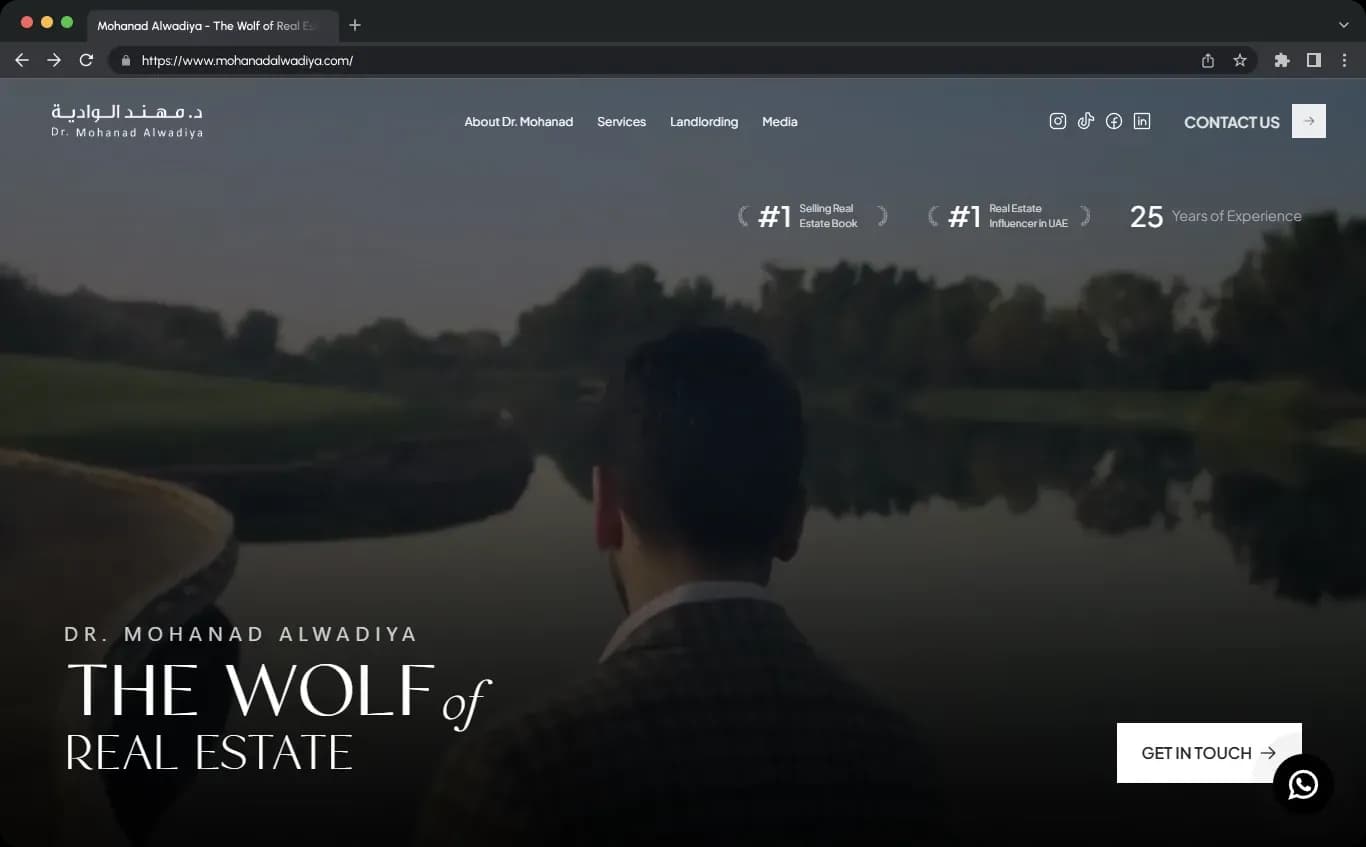
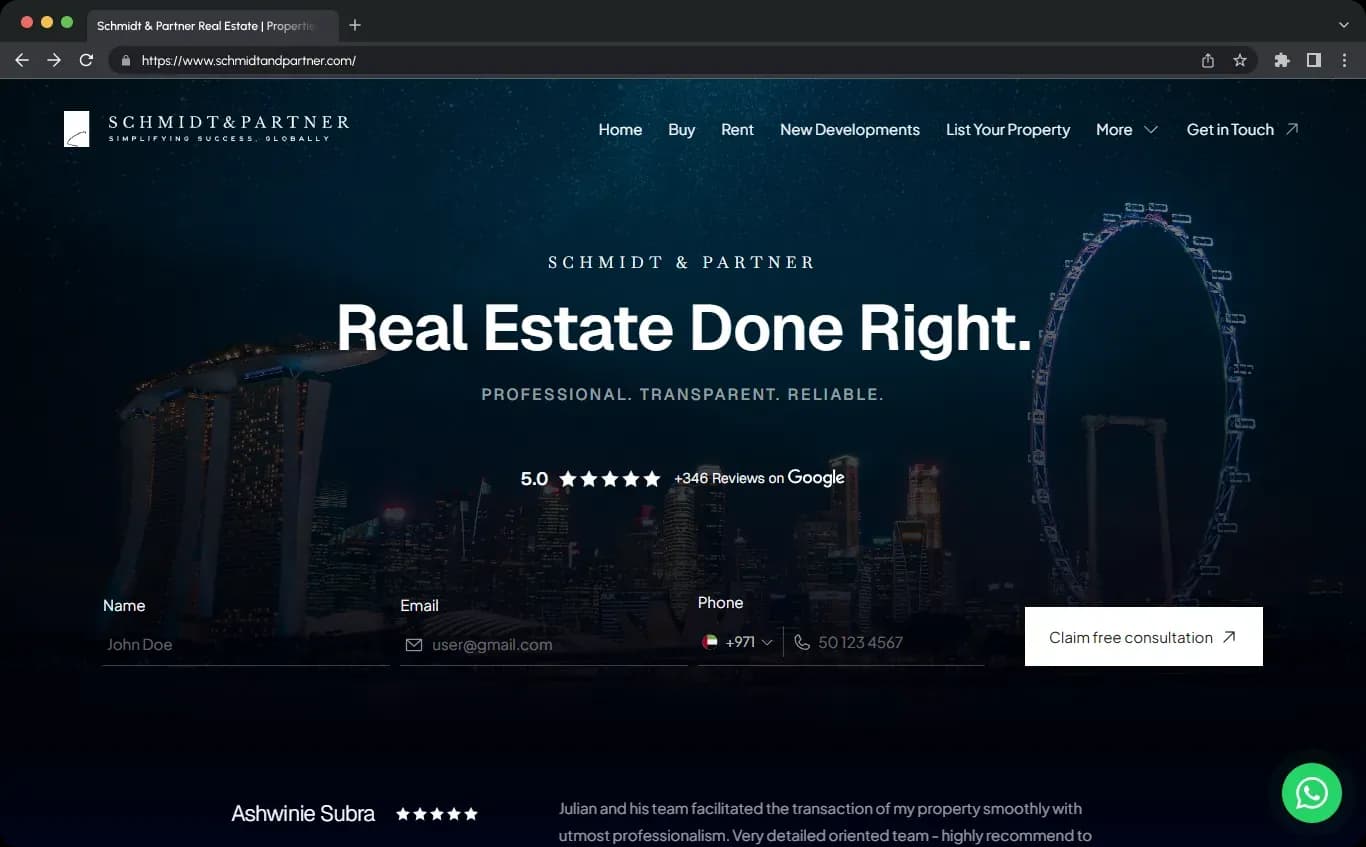
In real estate, our personal brand statement is the single most powerful sentence in our business. It’s how we answer “So what do you do?”, it’s the promise at the top of our Instagram bio or website, and it’s what we want people to say about us when we’re not in the room.
In this guide, we’ll walk through exactly how to build a clear, client‑winning personal brand statement for real estate, how it fits into our broader personal branding as agents, and how to use it everywhere so we attract more of the right buyers and sellers.
What a Personal Brand Statement in Real Estate Really Is
A personal brand statement for real estate agents is a short, specific, benefit‑driven sentence that explains:
- Who we help (our ideal client or niche)
- Where we work (our market or farm area)
- What problem we solve or result we create
- How we’re different (our unique value proposition)
Think of it as the digitized version of our reputation: one clear elevator pitch we can put in an Instagram bio, at the top of a website, in a LinkedIn headline, or at the start of a listing presentation.
It is not just “I’m a real estate agent in [city]” or a long resume. It’s a focused, client‑oriented promise that sums up the emotion and reputation attached to our name—our professional identity in one tight line.
Why Every Real Estate Agent Needs a Strong Brand Statement
Most markets—whether we’re talking about Dubai real estate, Chicago, Lisbon, or a small town—are crowded with agents. Without a clear personal brand and a sharp brand statement, we become just another name on a yard sign.
Cut Through a Crowded Market
A precise personal branding statement helps us:
- Stand out in a crowded market instead of sounding like every other realtor
- Move from “general agent” to go‑to expert for a specific type of client
- Become memorable after a 15‑second conversation or a quick profile visit
When someone hears “rent‑to‑own in Columbia” or “luxury villas in Palm Jumeirah,” we want our name and our one‑line pitch to pop into their head immediately.
Attract the Right Clients (and Repel the Wrong Ones)
A focused personal brand statement for real estate agents doesn’t just attract more leads—it attracts better, more qualified leads:
- First‑time homebuyers recognize that we’re an education‑first guide, not a pushy salesperson.
- Investors see that we speak their language—ROI, cash flow, hyper‑localized data.
- Luxury sellers understand we bring global‑standard marketing and discreet service.
By clearly stating who we serve and what results we deliver, we make it easy for people to self‑select in or out. That’s how we protect our time and marketing budget and build a business around our ideal clientele.
Build Trust, Credibility, and Referrals Faster
Real estate is a relationship and reputation business. Clients do business with pros they know, like, and trust. A strong personal brand statement:
- Signals focus and competence: “I specialize in X in Y neighborhood.”
- Sets clear expectations: data‑driven, stress‑free, education‑first, luxury‑level, etc.
- Gives past clients a simple line to repeat when they refer us.
Instead of “She’s just our agent,” they can say, “She helps single moms in Dallas become homeowners on one income,” or, “He’s the Dubai luxury agent who gets expats settled smoothly.” That’s real authority marketing.
Anchor Our Whole Real Estate Brand
Our personal brand statement becomes the through‑line that connects our entire marketing toolkit:
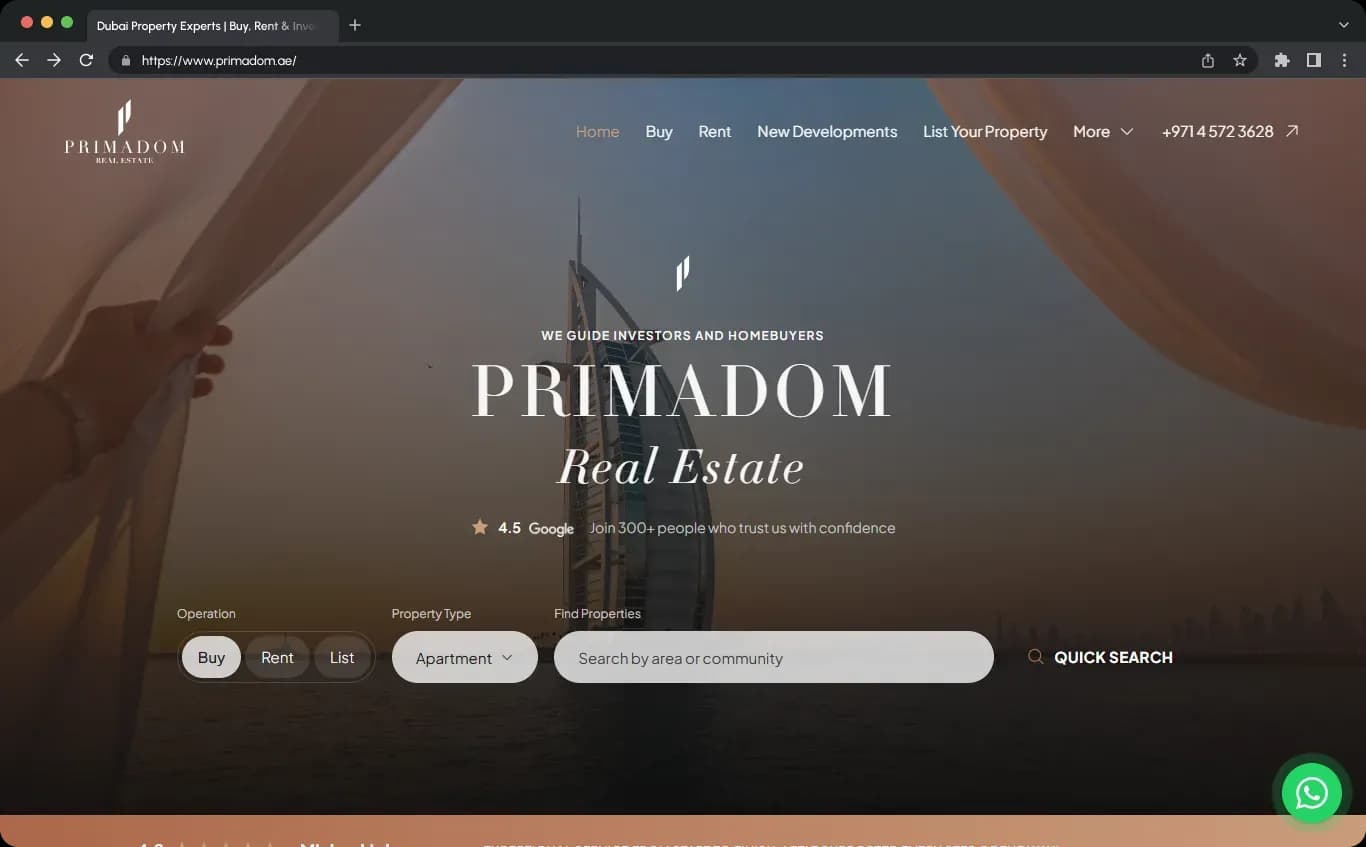
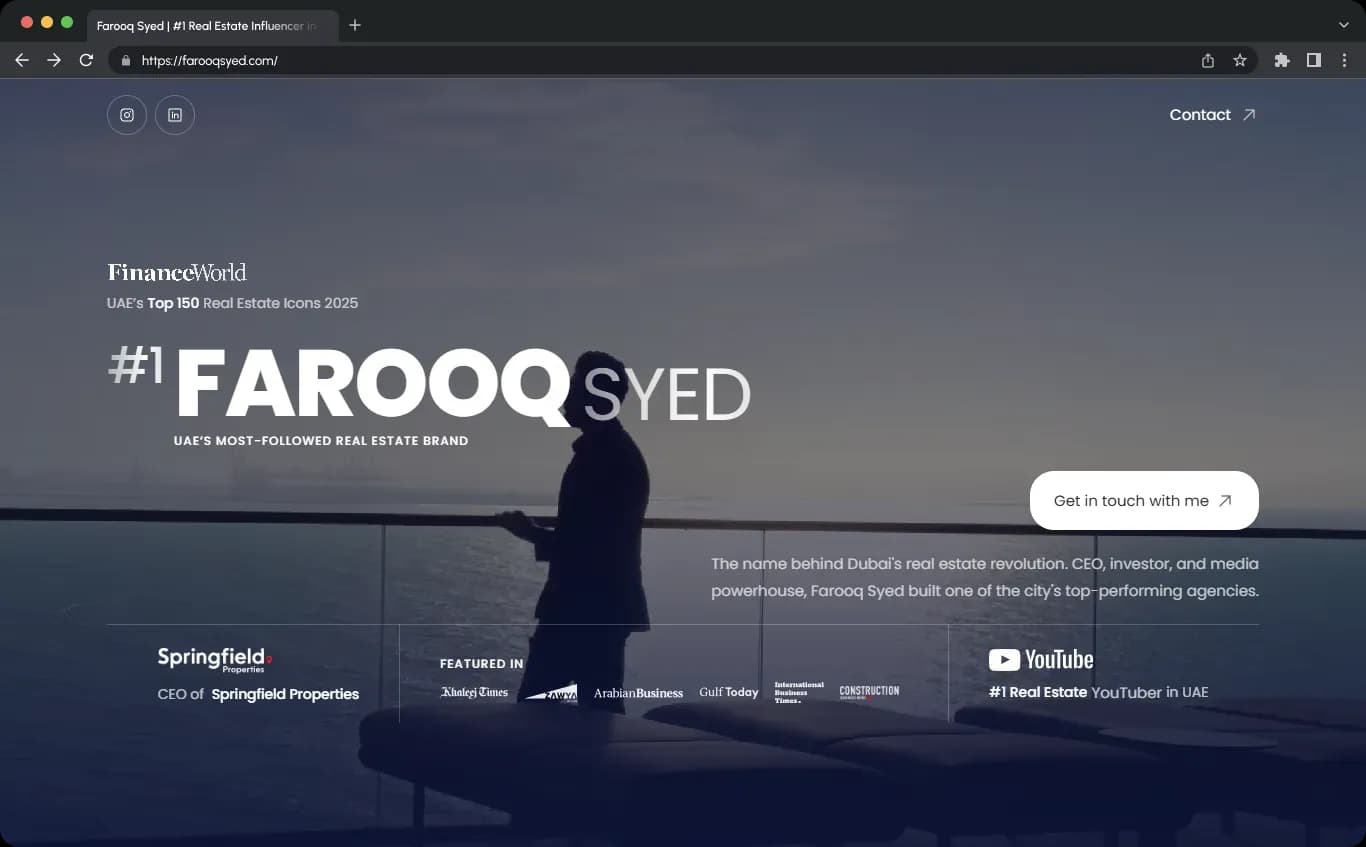
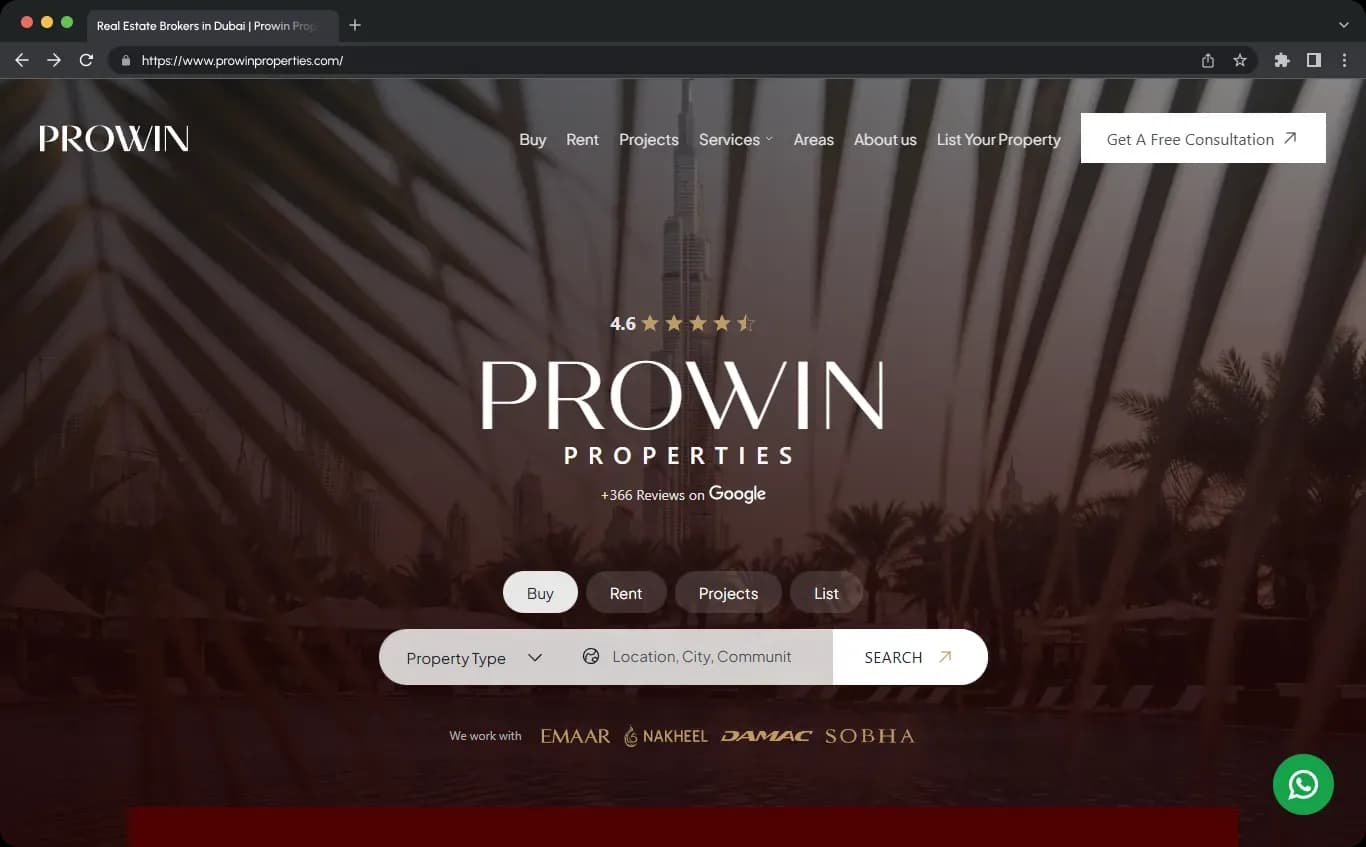
- Website hero headline
- Social media bios (Instagram, Facebook, LinkedIn, TikTok)
- Listing presentations and buyer consultations
- Yard signs, postcards, brochures, and flyers
- Email signatures and newsletters
- Video intros, podcast appearances, and webinar openings
When we repeat the same clear positioning statement everywhere, we build name recognition and consistency—two key ingredients of a trusted real estate personal brand.
Anatomy of a Strong Real Estate Personal Brand Statement
Across top‑performing agents and branding experts, strong personal brand statements for realtors share a common structure. They usually combine:
- Target audience – who we serve (first‑time buyers, veterans, luxury sellers, investors, seniors, relocating families, Dubai professionals, etc.)
- Location / market – where we operate (city, neighborhood, farm area, building, waterfront community)
- Specific goal or problem solved – what our clients want (confident first purchase, maximum sale price, low‑stress move, smart investments)
- Unique approach or strength – what sets us apart (education‑first, data‑driven, concierge‑level service, social‑media‑first marketing, hyper‑local knowledge, construction background)
- Outcome – the transformation we deliver (from confused to confident, from overwhelmed to organized, from renter to homeowner, from “for sale” to “sold above asking”)
A simple, battle‑tested template we can start with is:
I help {target audience} in {location} {solve problem / achieve goal} by {unique approach}, so they can {outcome}.
We won’t always use every piece in the final version, but this structure forces us to be specific instead of generic.
Get Clarity First: Niche, People, and Positioning
Every serious personal branding strategist in real estate comes back to the same idea: the riches are in the niches. If our brand statement is “we help everyone buy and sell homes,” we’re effectively invisible.
Define Who We Want to Be a Hero To
We start by answering: Who do we most want to serve? Some high‑performing niches include:
- First‑time buyers in a specific city or price range
- Single parents buying their first home
- Military families and veterans using VA loans
- Luxury home buyers and sellers in specific communities (e.g., Palm Jumeirah, Downtown Dubai, Dubai Marina)
- Relocation buyers moving from one state or country to another
- Rent‑to‑own clients building a path from renting to ownership
- Waterfront or horse‑property owners
- Condo owners in a particular building or district
- Investors focused on cash‑flow or long‑term appreciation
We look at our track record and our story—where we’ve already had success and which clients energized us instead of draining us. That’s often where our best niche is hiding.
Understand Their Real Problems and Desires
Next, we go deeper than “they want to buy or sell.” We ask:
- What are they afraid of? (wasting money, choosing the wrong neighborhood, being taken advantage of, losing equity in a divorce)
- What do they dream of? (stability, generational wealth, more space, less stress, passive income, a better school district, a new life in Dubai)
- What’s confusing or overwhelming to them right now?
The more clearly we can describe their inner world, the easier it becomes to write a brand statement that feels like it was written just for them.
Identify Our Unique Edge
We then connect their needs to our strengths. That might be:
- Our personal story (we were once a relocating buyer, a single parent, a veteran, or a first‑time investor)
- Our professional skills (negotiation, pricing strategy, marketing, technology, data analysis, staging, design)
- Our hyper‑local expertise (we know a condo building floor‑by‑floor, a community street‑by‑street)
- Our style and values (calm and analytical, high‑energy and motivating, education‑first, community‑centered)
We want our personal brand in real estate to feel believable and grounded in who we actually are, not a character we play online.
How to Write a Personal Brand Statement for Real Estate (Step‑by‑Step)
Step 1: List Our Favorite Clients and Real Strengths
We start on paper:
- Write down 3–5 types of clients we’ve enjoyed working with most.
- List 3–5 things clients consistently thank us for (patience, communication, deep market insight, creativity, tech skills, negotiation, staging).
This becomes our raw material for our unique value proposition and brand identity.
Step 2: Choose a Clear Niche and Ideal Client
Next, we commit. Instead of trying to brand ourselves as “everything to everyone,” we pick a lane:
- Life stage (first‑time buyers, upsizers, downsizers, retirees)
- Situation (relocation, divorce, military PCS, rent‑to‑own)
- Property type (condos, new construction, luxury villas, waterfront homes)
- Market (Dubai real estate, Abu Dhabi, specific suburbs, hyper‑local neighborhoods)
That doesn’t mean we’ll never work outside the niche—it means our marketing and messaging are sharply tuned to the clients we most want.
Step 3: Use Simple Formulas to Draft Versions
With clarity on who and how, we plug into a clear framework. A few practical formulas we can use:
- Classic value proposition:
“I help [who] in [where] [solve what problem / achieve what desire] by [how / unique approach].” - Short version:
“I [action verb] [target client] [result].” - “Real estate and ___” positioning:
“I’m real estate and [passion/visual cue] — I help [who] [specific result].”
We don’t aim for perfect on the first try. We write 5–10 rough personal brand statement examples for real estate using these templates.
Step 4: Refine for Specificity, Clarity, and Tone
Then we tighten our drafts:
- Keep it to 1–2 sentences, ideally under 30 words.
- Make sure we can say it comfortably in 10–15 seconds.
- Strip out vague fluff like “premium solutions” or “best service.”
- Use concrete language that reflects real outcomes and emotions.
- Match the tone to our brand: polished for luxury, warm for first‑time buyers, precise for investors.
We also sanity‑check: if we could swap our city and name with another agent and it still fits, it’s probably too generic.
Step 5: Test It with Real People
We share 2–3 options with clients or trusted peers and ask:
- “Does this sound like us?”
- “Is it clear who we help and how?”
- “If you were referring us, would this be easy to repeat?”
Often, the words our clients use in testimonials and conversations become the best phrases in our real estate personal brand statement.
Examples of Personal Brand Statements for Realtors
Here are several real estate personal brand statement examples you can adapt to your own market and style. Notice how each one blends who, where, what, and how.
First‑Time Buyer Specialist
- “I help first‑time homebuyers in Chicago navigate every step of the process with clear, step‑by‑step guidance, so they can buy with confidence instead of stress.”
- “I guide first‑time buyers in Austin from confused to confident homeowners with education‑first support and data‑driven advice.”
Luxury Real Estate Personal Brand
- “I represent luxury homeowners in Dubai Marina and Palm Jumeirah with global‑class marketing and discreet negotiation to maximize value and protect their privacy.”
- “I help luxury buyers and sellers in Downtown Dubai move seamlessly with concierge‑level service and world‑standard property marketing.”
Rent‑to‑Own and Path‑to‑Ownership Niche
- “I help renters in Columbia, SC become homeowners through transparent, structured rent‑to‑own programs tailored to their budget and long‑term goals.”
- “I specialize in turning long‑term renters into confident first‑time owners with clear, step‑by‑step pathways to homeownership.”
Investor‑Focused Agent
- “I help residential investors in Lisbon and Cascais find and analyze high‑potential properties using hyper‑local data to grow stable, long‑term returns.”
- “I guide investors in [city] to cash‑flowing properties with straightforward numbers, clear risk analysis, and strong negotiation.”
Relocation and Expat Specialist
- “I help relocating families move to Abu Dhabi smoothly by handling every housing detail—from neighborhood tours to handover—so they feel at home from day one.”
- “I help international professionals relocate to Dubai with stress‑free property searches, virtual tours, and on‑the‑ground support.”
Life‑Situation Specialist (Divorce, Military, Single Parents)
- “I help single moms in Dallas become first‑time homeowners on one income, so they can build stability and generational wealth.”
- “I help military families in San Diego maximize their VA benefits and move with confidence at every PCS.”
- “I help couples navigating divorce in Denver protect their equity and make wise real estate decisions in a hard season.”
“Real Estate and ___” Brand Ideas
- “I’m real estate and dogs — I help pet‑loving buyers and sellers in Seattle find homes and yards their fur‑family will love.”
- “I’m real estate and design — I help [city] sellers transform and market their homes so they show and photograph like luxury listings.”
- “I’m real estate and community — I showcase [neighborhood]’s local businesses and help neighbors buy and sell here with pride.”
We can tweak any of these into our own personal brand statement template by swapping in our niche, city, and unique approach.
Beyond the Sentence: Building a Full Personal Brand in Real Estate
The statement is the sharp tip of our personal branding, but not the whole spear. To really win more listings, attract better clients, and build long‑term authority, we connect it to a broader real estate brand strategy.
Clarify Values, Personality, and Brand Story
First, we get clear on what we stand for:
- Core values: transparency, education, speed, community, creativity, data‑driven decision‑making, discretion, faith, etc.
- Personality: calm and analytical, high‑energy and encouraging, warm and nurturing, sharp and direct.
- Story: why we got into real estate, the challenges we’ve faced, and how those experiences help our clients now.
This is the foundation of our real estate brand identity and helps our statement sound like a natural extension of who we are.
Align Our Visual Identity with Our Brand
Our personal branding logo, color palette, and photography should support the promise in our statement:
- Luxury experts might choose muted, elegant colors and refined typography.
- First‑time buyer specialists might lean into warmer, more approachable visuals.
- Investor‑focused agents might opt for clean, minimal, tech‑forward design.
We keep our headshots, social media profile photos, business cards, yard signs, and listing brochures visually consistent. That visual consistency reinforces our brand statement every time someone encounters us.
Deliver on the Promise with High‑Quality Marketing
Our marketing toolkit should make our statement believable:
- A clear, mobile‑friendly website or landing page with our brand statement at the top
- Strong listing marketing: professional photography, videos, and ideally 3D virtual tours or digital twins to attract more qualified buyers and shorten time on market
- Branded listing presentations, feature sheets, and brochures that reflect our positioning (luxury, education‑first, data‑driven, etc.)
- Newsletters or market updates that deliver real value, not just self‑promotion
When we say we offer “high‑end marketing” or a “low‑stress process,” every touchpoint needs to support that claim.
Use Content to Prove We’re the Authority
To move from “agent” to “trusted advisor,” we back our statement with an educational content ecosystem:
- Short explainer videos and Reels on buying, selling, or investing basics
- Neighborhood guides and hyper‑local market insights
- Investors’ breakdowns: ROI, cap rates, vacancy trends, and case studies
- Step‑by‑step guides for first‑time buyers, relocation clients, or rent‑to‑own paths
If our brand statement claims “data‑driven guidance” or “education‑first real estate,” our content is how we prove it before we ever meet someone in person.
Leverage Social Proof as Part of Our Brand
Social proof is a critical part of real estate personal branding:
- We consistently collect Google, portal, and Facebook reviews.
- We highlight testimonials on our website and socials that match our statement (e.g., “made everything stress‑free,” “explained every step,” “sold above asking in a week”).
- We turn standout results into short case studies, especially when they mirror the transformation promised in our brand statement.
This is how we shift our brand statement from “claim” to “documented pattern.”
Where and How to Use Your Real Estate Personal Brand Statement
Once we’ve crafted a strong line, we want it working for us 24/7 as part of our online presence and offline marketing.
Online Presence and Social Media
- Website hero section: Our brand statement should sit near our name and photo on the homepage.
- Instagram:
- Name field: “Jane Doe | Austin Real Estate”
- First line of bio: our personal brand statement
- Facebook Business Page, LinkedIn, TikTok, YouTube: Use our brand statement (or a trimmed version) as the headline or “About” text.
Email, Presentations, and Print
- Email signature: Include our statement plus key contact links.
- Listing and buyer presentations: Open with our statement to frame what makes us different.
- Printed materials: Where space allows, add a shorter version to business cards, postcards, and brochures.
Networking and Real‑World Conversations
When someone asks, “So what do you do?”, instead of just saying “I’m a real estate agent,” we answer with a conversational version of our personal brand statement, such as:
- “We’re real estate agents—we help first‑time buyers in Chicago go from confused to confident homeowners with a really clear step‑by‑step plan.”
- “We’re Dubai‑based realtors—we help expat professionals find smart, future‑proof investments in the city’s top communities.”
Over time, this repetition turns our brand into a recognizable footprint in the market.
Common Personal Branding Mistakes Real Estate Agents Should Avoid
As we build our real estate personal branding and brand statement, there are traps we intentionally sidestep:
- Being too generic: “We help buyers and sellers with all their real estate needs” could describe any agent and means nothing.
- Copying others’ slogans: We can borrow structures but not language. Our personal brand statement has to sound like us.
- Over‑promising: We don’t present ourselves as “luxury specialists” or “investment experts” without matching experience and marketing.
- Inconsistent messaging: Different taglines on our website, Instagram, and email signature confuse people. We keep one core statement and lightly tailor it to each platform.
- Mismatch between online persona and real‑life behavior: If we look ultra‑serious online but are goofy in person, or claim to be “data‑driven” but never use stats, trust erodes.
- Ignoring online reputation: A polished statement can’t cover up poor reviews or outdated profiles. We monitor and maintain our digital footprint.
Keeping Your Personal Brand Statement Alive and Relevant
Our real estate business evolves, and our personal brand should, too. We don’t wait for perfection to start—we launch with our best honest version now and refine it as we grow.
Every 6–12 months, we review:
- Are we still serving the same core audience, or has our niche shifted?
- Do new testimonials highlight a strength we didn’t initially emphasize?
- Have we moved into new geographies, price ranges, or property types?
We also watch key metrics connected to our brand:
- Inquiries from our ideal client profile
- Referral volume and where those referrals are coming from
- Website traffic and engagement with our content
- Social media engagement from local, relevant audiences
When our work and market shift enough, we update our personal brand statement to match reality—but not so frequently that we lose the benefit of consistent branding.
A Simple Workflow to Craft Your Real Estate Personal Brand Statement
To bring everything together, here’s a straightforward process we can follow from “no clear brand” to a sharp, client‑winning statement:
- Clarify our niche and people: Decide who we want to be a hero to and what they care about most.
- List our strengths: Skills, experiences, and stories that genuinely set us apart from other estate agents in our market.
- Draft 5–10 statements: Use formulas like “I help [who] in [where] [result] by [how].”
- Refine: Shorten, sharpen, and align the tone with our actual brand persona.
- Test: Share with clients and colleagues; listen to their feedback and language.
- Deploy: Roll the chosen statement out across our website, social media presence, email signatures, and presentations.
- Prove it: Back it up with consistent visuals, valuable content, strong listing marketing (photos, video, 3D tours), and social proof.
- Review annually: Adjust as our niche, authority, and market evolve.
When we do this well, our personal brand statement stops being just a catchy line. It becomes a clear, credible promise that our daily work, marketing, and results continuously fulfill—making us the obvious, trustworthy choice for the clients we most want to serve.