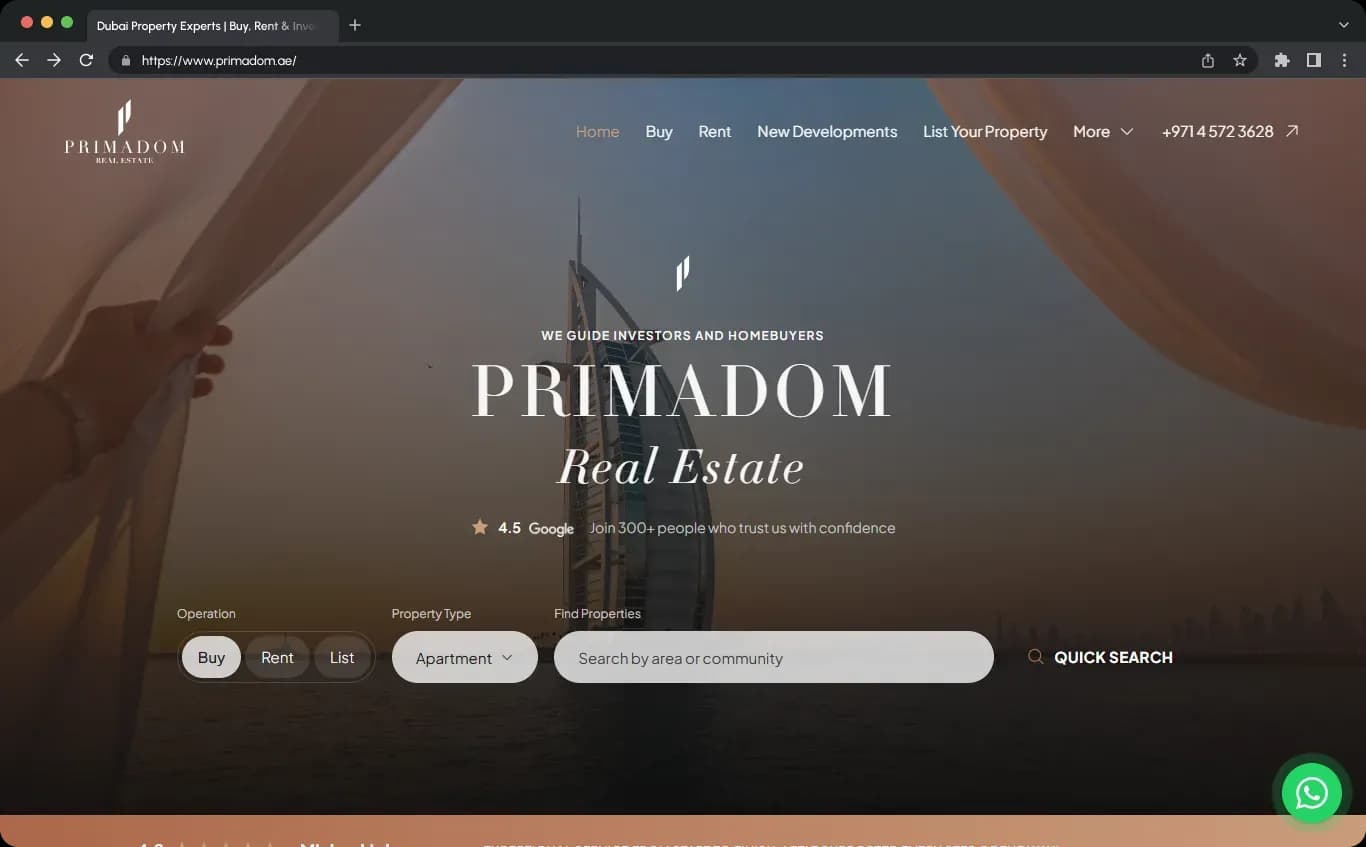
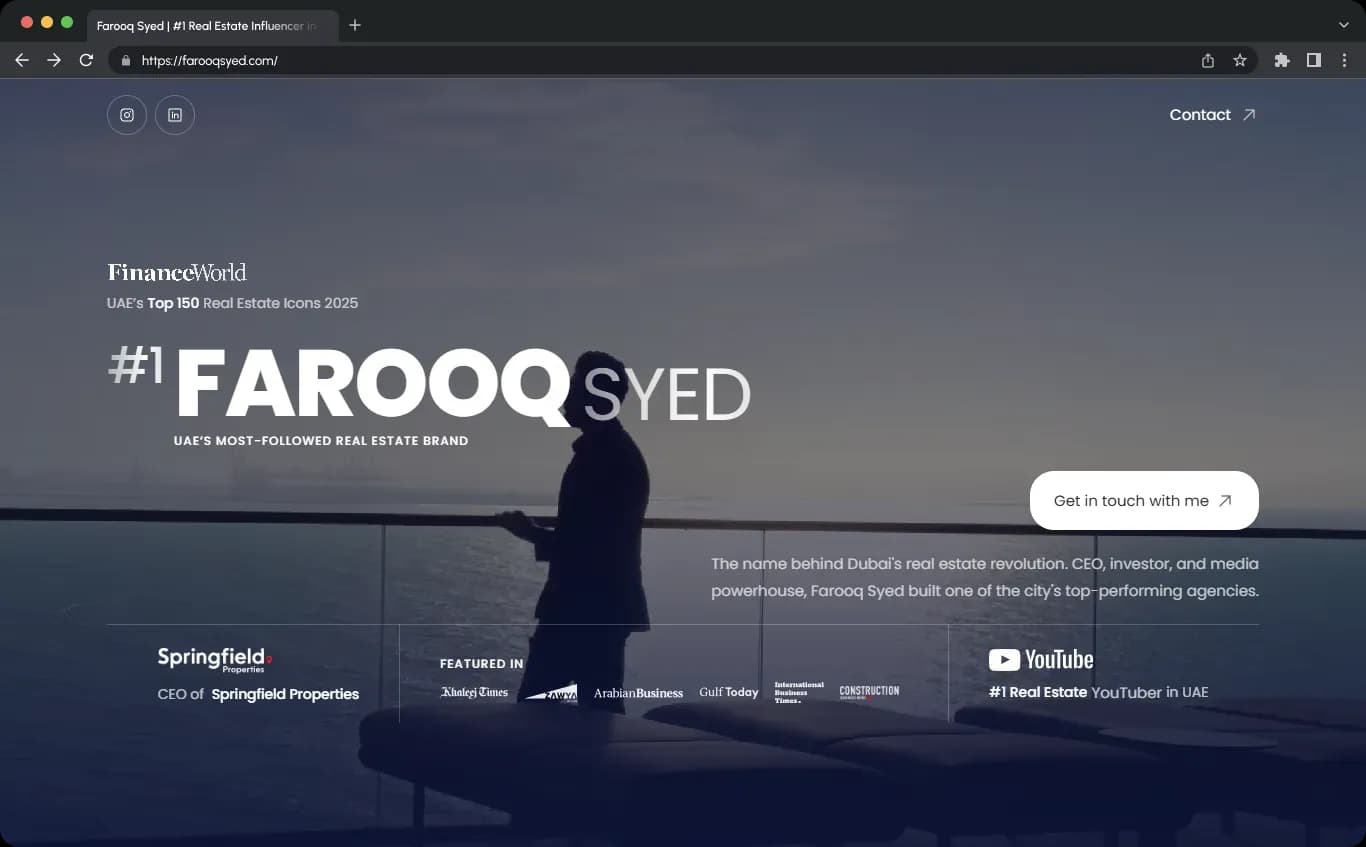
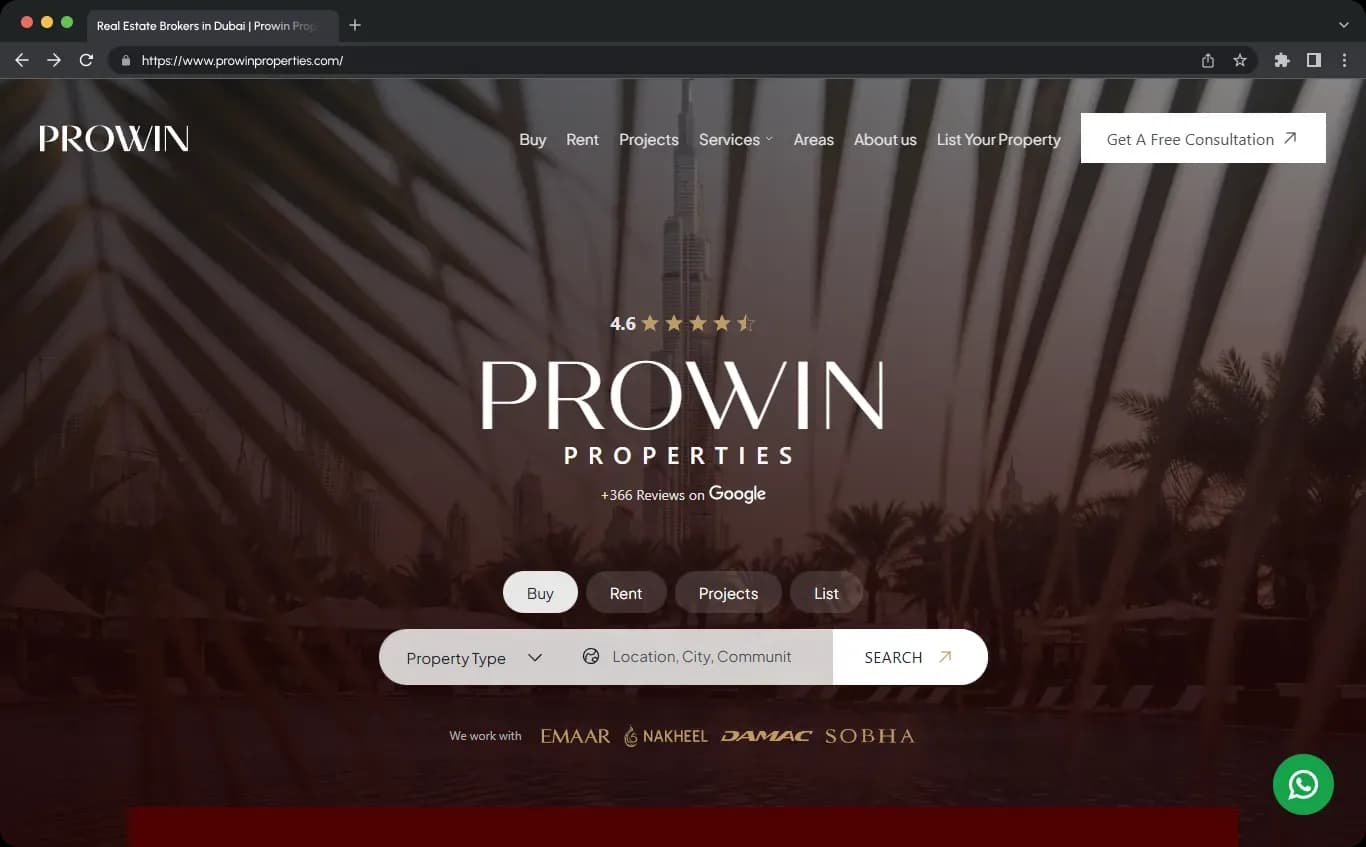
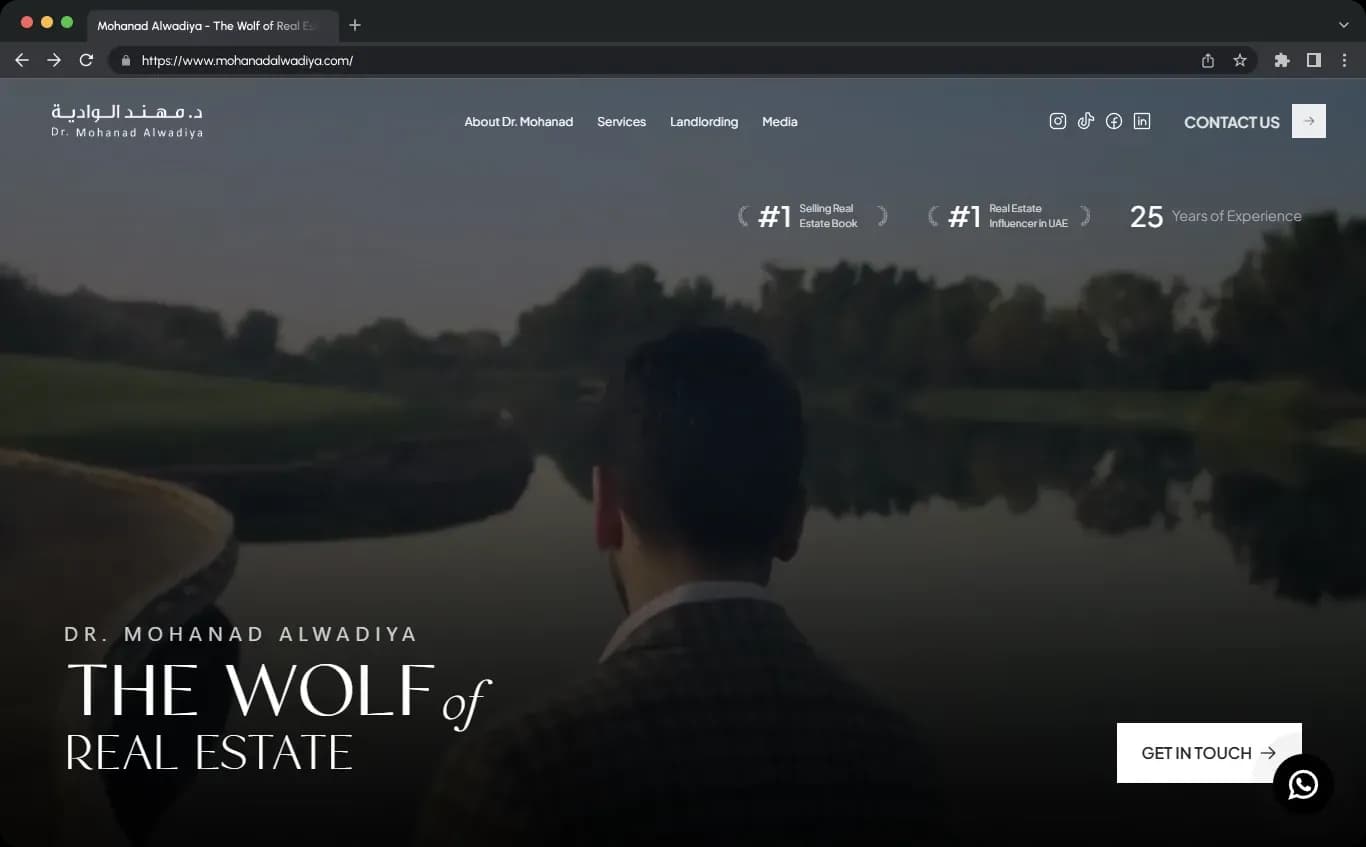
When we talk with agents and brokers about growth, most want new lead sources, better ads, or more buyer and seller leads. But the most reliable way to win more listings and close more deals is usually simpler: run a serious real estate brand audit and fix the gaps you already have.
In this guide we’ll walk through, step by step, how to audit your real estate brand like a pro: from positioning and messaging to website, social media, reputation, and referral systems. The goal is to come out with a clear, prioritized plan that actually moves the needle—not just prettier colors and a new logo.
What Is a Real Estate Brand Audit (and Why It Matters)
A real estate brand audit is a structured review of how your brokerage, team, or solo brand shows up in the market and how well that presence converts into clients. It sits at the intersection of three areas:
- Brand identity – who you are, how you look, how you sound.
- Marketing performance – website, social media engagement, SEO, ads, email.
- Client experience & reputation – reviews, referrals, repeat clients, word of mouth.
Unlike a financial or compliance audit, this is a brand and marketing audit focused on questions like:
- How does our target market really see us?
- Are we clearly differentiated from other agents and brokerages?
- Which brand touchpoints generate listings and contracts—and which are dead weight?
When we walk through this process with brokers, the biggest wins often come from tightening the basics: clarifying the niche, cleaning up the message, and making it obvious why someone should choose them over the competition.
Brand Audit vs. Compliance or Brokerage Audit
“Real estate audit” can also mean a compliance, financial, or operational audit—especially for brokerages in highly regulated markets.
For clarity:
- Real estate brand audit – reviews branding, marketing, online presence, client perception, and lead generation. That’s our focus here.
- Real estate compliance audit / brokerage audit – reviews transaction files, escrow accounts, commission disbursements, contracts, and regulatory compliance.
- RERA / regulatory audits (e.g., Dubai RERA) – focus on escrow account audits, service charge budget reviews, AML compliance, financial and operational audits of real estate projects and developers.
The smart move is to be ready for both: run an internal brand audit to win business, and an internal real estate audit checklist for compliance so you’re always audit‑ready if regulators or external auditors come knocking.
Step 1: Define What You’re Actually Auditing
Before we pull metrics, we define the scope. Your real estate brand is more than a logo; it’s the sum of how you show up and how clients experience you.
Clarify Your Brand Foundations
- Who you are
- Mission – why you exist.
- Vision – the future you’re building.
- Values – what you stand for and how you behave.
- How you look (visual identity)
- Logo and wordmark.
- Color palette and typography.
- Photography style and overall design language.
- How you sound (brand voice)
- Formal vs conversational, luxury vs approachable.
- Key phrases and themes you repeat.
- How you describe your services and value.
- Where you show up (brand touchpoints)
- Website and landing pages.
- Social media profiles (Instagram, Facebook, LinkedIn, YouTube, TikTok).
- Google Business Profile and map listings.
- Zillow, Realtor.com, Yelp, and local directories.
- Email templates and newsletters.
- Listing presentations and buyer/seller guides.
- Signage, brochures, business cards, open house materials.
- Referral partners and how they talk about you.
Throughout the audit, we’ll judge whether all of these are consistent, aligned with your target audience, and effective at generating attention, trust, and clients.
Step 2: Get Clear on Your Target Market and UVP
A “strong brand” doesn’t exist in a vacuum. It’s strong when it resonates with a clearly defined audience and delivers a compelling promise.
Define Your Ideal Clients
We start every real estate brand audit by writing down a specific ideal client profile (ICP), not “anyone buying or selling.” Include:
- Demographics – age range, income, family status, profession.
- Location – neighborhoods, building types, price bands.
- Psychographics – values, fears, goals (e.g., “wants a turnkey condo, hates hassle and surprises”).
- Key problems – low inventory, tight relocation timelines, needing top dollar quickly, investing for cash flow, etc.
Reflect on the last 12–24 months:
- Who were our very best clients?
- What did they have in common?
- Where did they originally find us?
- Which clients do we want more of, and which do we not want to repeat?
This becomes the lens for the rest of your brand audit. If a channel or message doesn’t serve this audience, it’s probably a distraction.
Audit and Tighten Your Unique Value Proposition (UVP)
Your unique value proposition is the backbone of your brand. It answers:
“Why should someone choose us instead of any other agent or brokerage in this market?”
In an audit, we look at your website, bios, listing presentations, and social media to see if your UVP is:
- Visible – clearly stated in plain language, above the fold.
- Specific – not “we care” or “we provide great service.”
- Outcome‑driven – framed in results clients actually want.
- Credible – backed by reviews, case studies, or a clear process.
If it’s vague or missing, we refine it. Examples that tend to perform well:
- “We help move‑up buyers sell in 30 days and secure their next home without a double move.”
- “Premium marketing for $1M–$5M homes in [City], engineered to get you maximum exposure and top‑tier offers.”
- “Data‑driven investor representation for small multifamily and SFR portfolios in [Region].”
Every later step—website audit, social media audit, reputation review—should be checked against this UVP. If a touchpoint doesn’t reinforce it, it’s a gap.
Step 3: Build Your Real Estate Brand Audit Spreadsheet
To keep the audit from becoming a pile of random notes, we centralize everything in a simple brand audit spreadsheet. This becomes your command center and later, your ongoing brand dashboard.
Set Up the Overview Tab
Create a tab called Brand Audit – Overview and add a row for each major asset or channel:
- Website
- Instagram
- Facebook Page
- LinkedIn Profile
- YouTube Channel
- Google Business Profile
- Zillow / Realtor.com / local portals
- Email newsletter
- Buyer guide / seller guide
- Listing presentation
- Print collateral & signage
- Key referral partners
Useful columns to include:
- Owner – who is responsible.
- Last updated – how stale is this asset?
- Visual consistency (1–5) – does it look like everything else?
- Message consistency (1–5) – does it clearly reflect your UVP and target market?
- Key performance metrics – varies by asset.
- Strengths – what’s working.
- Gaps / issues – what’s off or underperforming.
- Action needed – specific next step.
- Priority – high / medium / low.
- Due date – so items don’t linger forever.
Later, you can add columns for monitoring frequency (monthly, quarterly, annually) and link out to detailed tabs for website, social, and business sources.
Step 4: Audit Your Website (Real Estate Website Audit)
Your website is the hub of your online presence and a key part of any real estate brand audit framework. We focus on three things: message, experience, and performance.
Message & Positioning Check
Start on your homepage and lead‑generation pages and ask:
- Within 5 seconds, is it clear who we serve and what makes us different?
- Is our UVP front and center, or buried below the fold?
- Do copy and visuals speak directly to our ideal clients’ problems and goals?
- Are our testimonials and case studies aligned with the promises we’re making?
UX and Conversion (Calls to Action)
Then review how easy it is for visitors to take the next step:
- Is there a clear, benefit‑driven call‑to‑action (CTA) on every key page? (e.g., “Schedule your 15‑minute pricing consult”)
- Are contact forms simple and mobile‑friendly?
- Is the navigation obvious, or do people have to hunt for information?
- Does the site load quickly and display well on phones?
Website Analytics: Key Metrics to Track
On a separate Website tab in your spreadsheet, log monthly metrics from Google Analytics or your platform:
- Sessions / visits – how much traffic are you actually getting?
- Traffic sources – organic search, social, direct, paid, referrals.
- Bounce rate – % of visitors leaving after one page (aim for < ~50% as a rough guide).
- Average time on site – > 2 minutes is a healthy sign for many real estate sites.
- Conversions – completed contact forms, property inquiries, newsletter signups, saved search registrations, guide downloads.
We pay more attention to conversion actions than to vanity metrics. A site with 500 targeted monthly visits and 20 form fills is more valuable than a site with 5,000 visits and 2 form fills.
Real Estate SEO and Discoverability
As part of the website section of your real estate brand audit, review your basic real estate SEO:
- Do you have dedicated pages for your main neighborhoods or niches?
- Are you using natural phrases your clients search (e.g., “homes for sale in [Neighborhood]”, “sell my townhouse in [City]”)?
- Are title tags and meta descriptions written to highlight your UVP?
- Is your blog or resources section supporting your positioning (not random content)?
Note the issues in your spreadsheet and mark which fixes you can handle yourself vs. what you need a specialist for.
Step 5: Run a Social Media Audit for Your Real Estate Brand
Social channels are often where prospects first “meet” your brand. A social media audit for real estate agents looks beyond follower counts to see if your content actually supports your brand strategy and generates conversations.
Profile & Branding Consistency
For each platform (Instagram, Facebook, LinkedIn, YouTube, TikTok):
- Is your profile photo the same and on‑brand?
- Do bios clearly state your market, niche, and UVP?
- Are links up‑to‑date and pointing to your best lead magnet or consult page?
- Do cover images, highlights, and pinned posts reinforce who you serve and how?
Content & Engagement Metrics
Create a Social – Overview tab and track for each platform:
- Followers.
- Posts per month.
- Average engagement rate on your last 20–30 posts.
- Reach / impressions (where available).
- Profile visits and link clicks.
Engagement rate formula:
(Likes + Comments + Shares) ÷ Followers × 100
For many real estate accounts:
- 1–3% – solid.
- 3–6% – strong.
- 6%+ – excellent / often viral for that size.
Top‑Performing Content Analysis
On a deeper tab for your main platform (often Instagram or Facebook):
- List your last 60–90 days of posts.
- Record post type (listing, testimonial, educational tip, personal story, market update, behind‑the‑scenes, etc.).
- Log saves, shares, comments, likes, and engagement rate.
Then ask:
- Which formats perform best (reels, carousels, single photos)?
- Which themes clearly hook your ideal clients?
- Do posts tied directly to your UVP get more engagement or DMs?
- Are we consistently inviting people to take the next step (DM, consult, download, open house)?
If engagement is flat and inbound messages are rare, the issue is usually either unclear positioning, inconsistent posting, or content that’s about you instead of your clients’ problems.
Step 6: Audit Your Online Reputation and Reviews
Your online reputation is one of the most powerful brand signals you have, especially in real estate where trust is everything. A proper brand audit always includes an online reputation audit for Realtors.
Review Profile Inventory
Create a Reputation tab and log:
- Every profile where clients can leave reviews:
- Google Business Profile.
- Zillow, Realtor.com, and local portals.
- Facebook reviews / recommendations.
- Yelp and local directories.
- Number of reviews on each platform.
- Average star rating.
- How many reviews are from the last 6–12 months.
Sentiment and Theme Audit
Read through a sample of your recent reviews and note patterns:
- What do clients consistently praise? (communication, speed, negotiation, marketing, local knowledge)
- Do they naturally echo your UVP or core brand promises?
- Any recurring friction points or complaints?
We also recommend Googling “Your Name + City” and “Your Brokerage + City” in an incognito window to see what appears on page one:
- Are the top results aligned with the brand you want?
- Are there old bios, inactive profiles, or inconsistent information?
- Do your best reviews and media mentions show up prominently?
Action Plan for Reputation Management
- Respond to recent reviews—positive and negative—in a professional, on‑brand tone.
- Identify your weakest but most visible profile (often Google); make it your priority for new reviews.
- Build a simple system:
- Ask for reviews after key milestones (offer acceptance, closing).
- Provide direct links to your chosen platforms.
- Automate reminders through your CRM where possible.
Step 7: Measure Referrals, Repeat Clients, and Lead Sources
No real estate brand audit is complete without looking at where your actual revenue comes from. Strong brands produce repeat clients, referrals, and high‑quality inbound leads.
Build a Business Sources Tab
Create a tab called Business Sources and, for each closed transaction in the last 12–24 months, record:
- Client (or anonymized ID).
- Close date.
- Property type and price.
- Source:
- Past client (repeat).
- Past client referral.
- Friend/family referral.
- Google / SEO.
- Portal (Zillow, Realtor.com, etc.).
- Social media (specify platform).
- Open house, sign calls, farming, events, etc.
Key Brand Health Metrics
From that data, calculate:
- % of business from repeat clients.
- % of business from referrals.
- Close rate from the main online channels (website inquiries, social DMs, portals).
Industry benchmark data shows many top agents get a large share of business from people who already know and trust their brand. If your repeat and referral percentages are low, the issue is rarely just “lack of leads” and more often brand experience and follow‑up.
Referral Partner Audit
In the same tab, add a section for referral partners:
- Lenders, attorneys, title reps, builders, relocation companies, investor groups.
- Number of leads referred in 12–24 months.
- Number of those that closed.
- Average deal size and fit with your ideal client profile.
This tells you which partnerships truly reinforce your brand and which don’t justify your time or co‑marketing dollars.
Step 8: Evaluate Brand Strength Across the Board
Once all the data lives in your audit spreadsheet, zoom out and look for patterns. We usually review brand strength through three lenses: consistency, alignment, and performance.
Consistency Check
- Do logo, colors, fonts, and photography feel unified across website, social, print, and presentations?
- Does your UVP show up in similar language on your homepage, bios, and social profiles?
- Do your reviews and testimonials use similar words and phrases about you?
Alignment with Target Market
- If your ideal client landed on your website and Instagram today, would they feel “this is for people like me”?
- Are you showcasing the right property types, price points, and stories?
- Is your tone (luxury, approachable, analytical, community‑focused) a match for the segment you’re targeting?
Performance and Conversion
- Is website traffic trending up, flat, or down—and is it converting into inquiries?
- Do social channels produce actual consults and showings, not just likes?
- Are repeat and referral percentages strong enough for the size and age of your business?
Common patterns we see:
- Beautiful branding, weak lead flow – message, SEO, or CTAs need work.
- Strong engagement, few clients – content entertains but doesn’t clearly connect to your services.
- Good digital presence, low referrals – client experience or post‑closing follow‑up is misaligned with your promises.
Step 9: Fix the Gaps—From Strategy to Execution
A real estate brand audit only matters if it leads to changes. We like to organize fixes into six main buckets so you have a focused improvement plan, not a random to‑do list.
1. Refine or Rebuild Your UVP
If your UVP is weak or invisible:
- Answer, in writing:
- What big problem do we solve best?
- For whom, exactly, do we solve it?
- What results do we consistently deliver?
- How is our approach meaningfully different from competitors?
- Draft a new UVP and:
- Put it at the top of your homepage and service pages.
- Add it (or a tight version) to your bios on every platform.
- Weave its language into listing presentations and buyer/seller guides.
2. Refresh Your Visual Identity
If your brand looks dated or inconsistent:
- Standardize:
- Primary and secondary logos / marks.
- A clear color palette with codes.
- Headline and body fonts.
- Photography style (lighting, angle, level of polish).
- Update:
- Website (headers, CTAs, forms, icons).
- Social profile photos and cover images.
- Email signatures and newsletters.
- Listing presentations, buyer/seller guides, print collateral, signage.
The test: if a stranger saw your yard sign, Instagram post, and listing presentation side‑by‑side, would they instantly know they belong to the same brand?
3. Adjust Your Real Estate Marketing Strategy
If your audit shows you’re visible but not converting, tighten your marketing strategy:
- Website – Add stronger, benefit‑driven CTAs tied to your UVP, simplify navigation, and emphasize lead capture.
- Social media – Post more of the formats and themes that generate inquiries, not just engagement; invite DMs and consultations explicitly.
- Email marketing – Shift from pure listing blasts to educational, story‑driven content that positions you as the obvious guide.
We often find that focusing on fewer channels—done exceptionally well and aligned with your brand—beats trying to be everywhere at once.
4. Improve Online Presence & Real Estate SEO
If prospects struggle to find you when they search, your brand has a visibility problem:
- Google Business Profile
- Ensure NAP data is correct and consistent.
- Select accurate categories and service areas.
- Add a keyword‑rich description that includes your UVP.
- Upload quality photos and use posts to highlight recent wins and listings.
- Real estate website SEO
- Create or improve pages for your main neighborhoods and niches.
- Use natural, client‑friendly phrases (“condos for sale in [Neighborhood]”).
- Ensure technical basics: SSL, mobile‑friendly, fast load, clean URLs.
- Third‑party profiles
- Clean up inconsistent bios and old headshots.
- Unify your positioning statement across portals.
- Link back to your main website where allowed.
5. Strengthen Client Experience, Referrals & Repeat Business
If your audit shows low repeat and referral percentages, that’s a brand experience problem—not just a marketing one.
- Standardize your post‑closing plan:
- Branded closing gift that fits your positioning.
- Check‑ins at 30 and 90 days and on purchase anniversaries.
- Annual equity or market value reviews.
- Long‑term nurturing:
- Monthly or quarterly newsletter with local insights and tips.
- Invitations to client appreciation events or webinars.
- Social touchpoints that aren’t only about “Just Listed / Just Sold.”
- Systematic review and referral requests:
- Template emails and texts for review requests.
- Clear, on‑brand wording when you ask for referrals.
- Follow‑up reminders built into your CRM.
6. Get Specialist Support Where It Matters
Your real estate brand audit will likely uncover areas where a specialist gives you leverage:
- Brand strategist to finalize positioning and messaging.
- Real estate website designer / SEO consultant.
- Social media strategist or content creator.
- CRM and systems expert to automate nurture and follow‑up.
Use your audit spreadsheet as the brief for any external partner: it clearly shows current assets, performance, and priorities.
Step 10: Stay Audit‑Ready All Year (Systems & Checklists)
The most successful brokerages treat this not as a one‑off branding exercise but as an ongoing brand health check.
Set Monitoring Cadences
In your spreadsheet, add a column for monitoring frequency and assign owners:
- Monthly:
- Website traffic and lead conversions.
- Social engagement and follower growth.
- New reviews and ratings.
- Quarterly:
- Lead source analysis and referral partner performance.
- Content performance review across channels.
- Quick visual and messaging consistency scan.
- Annually (or semi‑annually):
- Full real estate brand audit like the one you’re building.
- UVP and ideal client review.
- Larger updates to design or positioning.
Create a Brand Issues Log
Add a tab titled Brand Issues Log where anyone on your team can quickly note:
- Inconsistent logos or taglines.
- Broken links or outdated pages.
- Off‑brand photos, templates, or scripts.
- Client feedback about your marketing or communications.
During each quarterly mini‑audit, clear as many of these as possible.
Leverage Tools and Software
To keep your real estate brand and operations audit‑ready without drowning in manual work, use:
- Analytics tools – Google Analytics / GA4, Search Console, and social insights for automated reporting.
- CRM and transaction management software – to log lead sources, pipeline health, and client communications.
- Cloud storage – for organized, searchable marketing assets and templates.
These same systems also prepare you for any future real estate compliance audit, because good branding and clean operations usually go hand‑in‑hand.
Step‑By‑Step Real Estate Brand Audit Checklist
Use this condensed checklist as your working roadmap:
- Clarify strategy
- Write or refine your ideal client profile(s).
- Audit your current UVP; rewrite if it’s vague or generic.
- Inventory brand touchpoints
- List every asset: web, social, email, print, presentations, directories, partners.
- Build your Brand Audit – Overview spreadsheet with one row per asset.
- Evaluate consistency & alignment
- Rate visual and message consistency for each asset (1–5).
- Note whether it speaks directly to your target market and UVP.
- Measure performance
- Website: visits, traffic sources, bounce rate, time on site, conversions.
- Social: posting frequency, engagement rate, clicks, leads.
- Reputation: review count, ratings, recency, sentiment themes.
- Business sources: % repeat, % referrals, lead source breakdown.
- Diagnose strengths and gaps
- Document what’s working per channel in the Strengths column.
- List issues and underlying causes in Gaps / Issues.
- Prioritize items that directly affect lead generation and trust.
- Implement improvements
- Update UVP and bios everywhere.
- Refresh visuals where needed.
- Strengthen CTAs and lead capture paths.
- Improve Google presence, SEO basics, and directory consistency.
- Systematize client follow‑up, reviews, and referral requests.
- Systematize monitoring
- Assign owners and cadences for each asset.
- Maintain your Brand Issues Log.
- Schedule quarterly mini‑audits and an annual deep‑dive.
Turning Your Real Estate Brand Audit into More Deals
A well‑run real estate brand audit does more than tidy up your logo and Instagram grid. When you approach it systematically—tying every touchpoint back to your ideal client and UVP—you uncover exactly where you’re losing opportunities and how to fix it.
If you work through the steps above and keep your spreadsheet alive, you’ll have a living real estate brand audit framework you can revisit every quarter. Over time, that discipline compounds into clearer positioning, better clients, more referrals, and a brand that actually protects and grows your business.