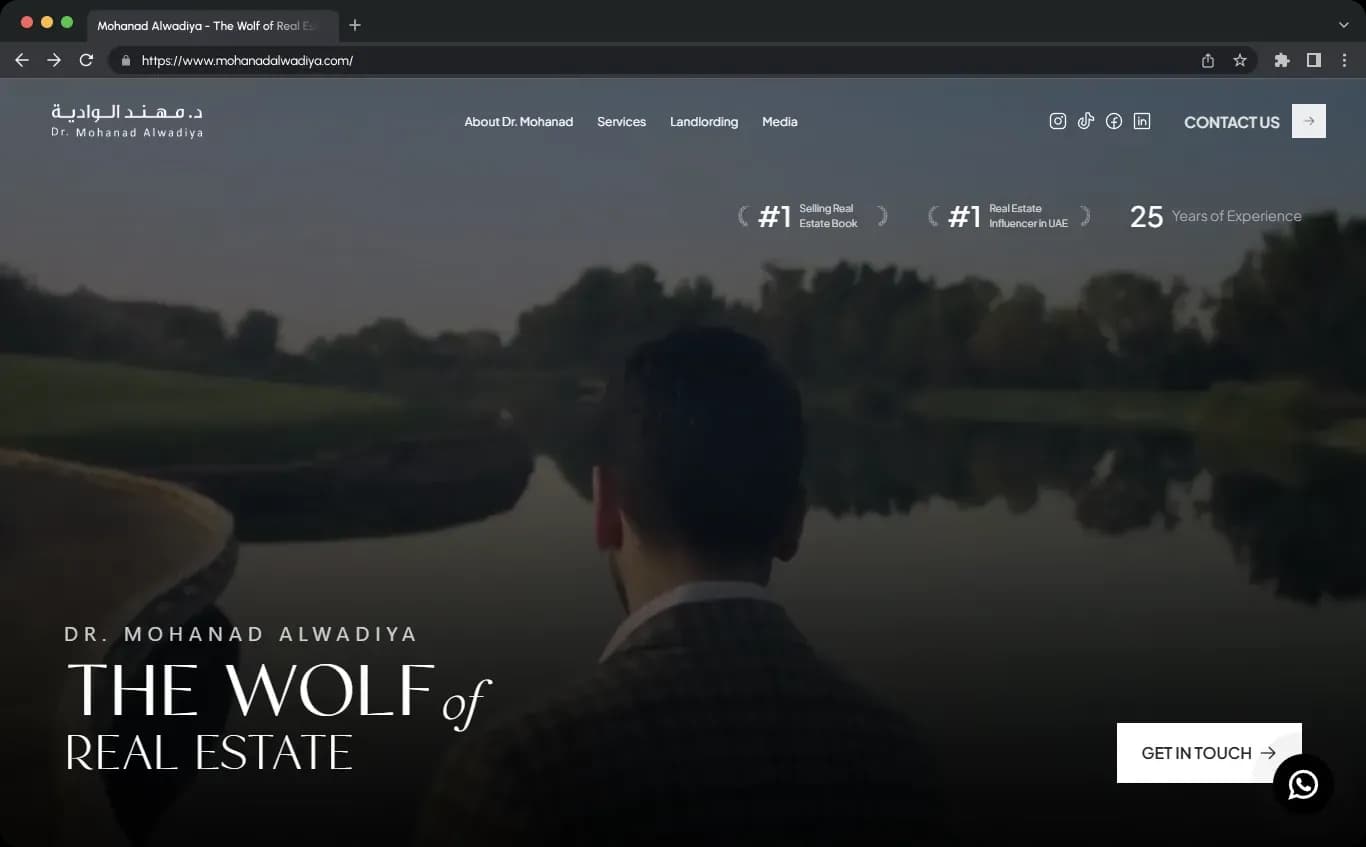
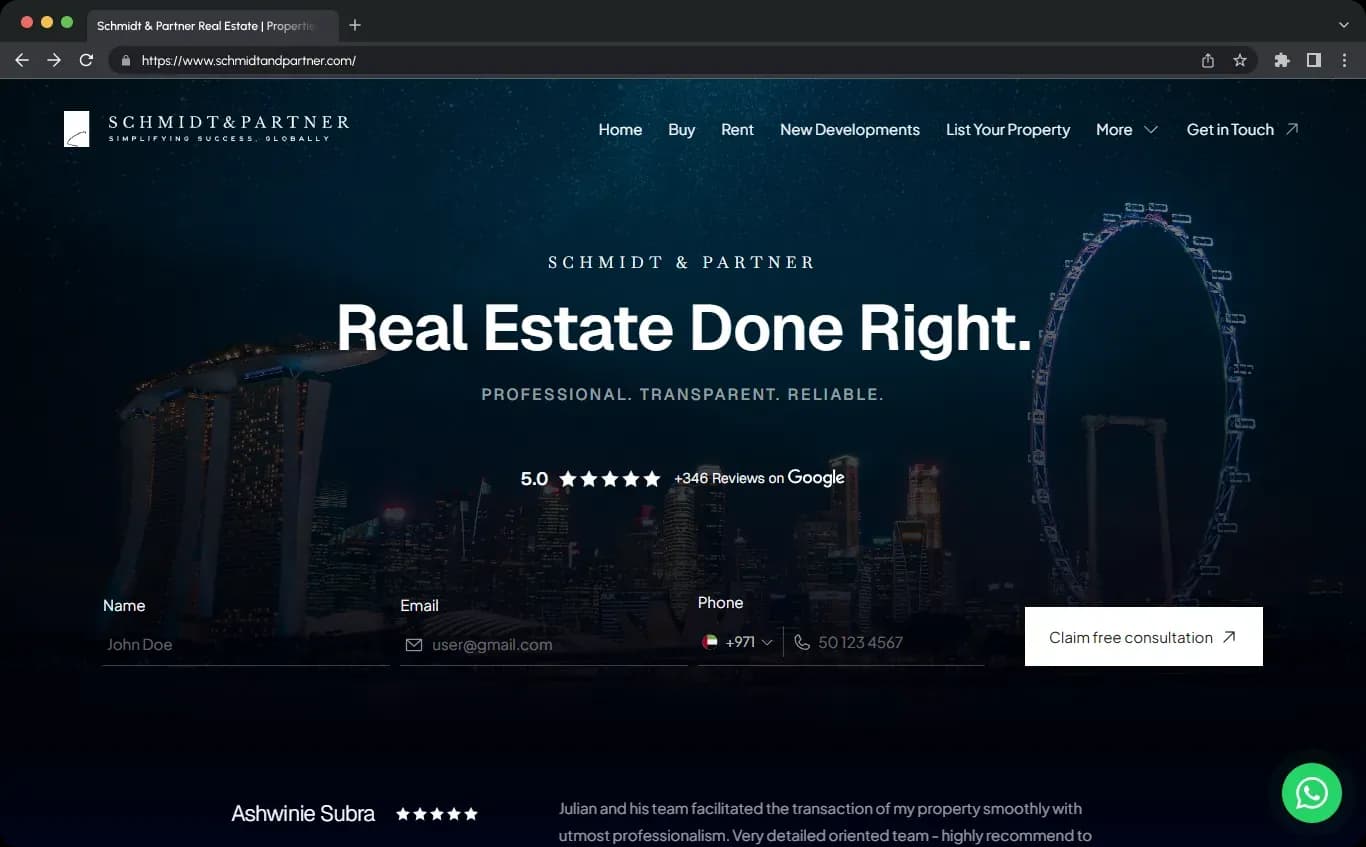
In real estate branding, sameness is the enemy. Specs and comps inform decisions; stories create demand. We use brand storytelling to humanize our real estate brand, build trust and credibility, differentiate in a crowded market, and generate more qualified leads across channels like Instagram Reels, LinkedIn, YouTube, email newsletters, and blog posts. This is our practical, values-driven playbook for agents, teams, brokerages, developers, and CRE leaders who want a brand narrative that attracts first-time buyers, luxury and high-net-worth clients, investors, and commercial tenants with consistency and authority.
What Brand Storytelling Is (and Isn’t) in Real Estate
Real estate storytelling is narrative marketing—using origin stories, client journeys, and community scenes to make your brand relatable, memorable, and trustworthy. It’s not a louder brochure; it’s meaning that makes the numbers matter.
- It’s human-centered branding: the people, decisions, and values behind your work.
- It’s storyselling: connecting lifestyle, transformation, and outcomes to listings and services.
- It’s repeatable: a consistent brand voice and tone across web, social, video, and in-person touchpoints.
It’s not bragging louder. Interrupting people to announce “we’re the best” gets treated like noise. People don’t want to be sold; they love to buy—and they remember stories.
Why Storytelling Works in Real Estate Branding
- Builds trust in a skeptical market by closing the credibility gap with specific, true client journeys and transparent process.
- Makes your brand memorable; studies often cited in marketing show stories can be 22x more memorable than facts alone.
- Drives engagement and dwell time, which supports SEO, lead generation, and conversion rates.
- Aligns teams internally so every interaction feels consistent—online, on calls, at open houses.
- Transforms features into life outcomes (not just “3/2, updated kitchen” but “quiet mornings and Friday movie nights in the yard”).
Real estate decisions are soaked in emotion and identity: first apartments, growing families, downsizing, lifestyle shifts, dream neighborhoods. If you talk only in square footage and stats, you miss the moments people actually buy.
Foundations: Values, Audience, Voice, and Authenticity
Start With Values and Traditions
- Clarify the deeper “why” behind your work (community-first, discretion, advocacy, craftsmanship, sustainability).
- Connect traditions and roots to your market (heritage, local service, design pedigree).
- Capture pivotal moments that shaped your approach to client service and negotiation.
Know Your Audience
- First-time buyers: clarity, patience, “no dumb questions,” financing explained.
- Luxury/HNW: discretion, curation, provenance, concierge-level problem-solving.
- Downsizers/empty nesters: simplicity, accessibility, proximity to what matters.
- Investors and CRE: disciplined underwriting, risk mitigation, asset strategy, track record.
Choose Voice and Tone That Fit
- Family-focused: warm, approachable, reassuring.
- Luxury: polished, restrained, confident.
- CRE: expert, insight-driven, strategically framed.
Lead With Authenticity and Empathy
- Share challenges you’ve resolved and what they taught you.
- Make the client the hero; your role is guide and advocate.
- Back promises with proof (case studies, before–after metrics, testimonials).
A Simple Framework to Anchor Your Brand Story
We’ve seen two pieces make brand storytelling stick across price points and channels:
- Your happily‑ever‑after (purpose): Why your brand exists beyond production (e.g., “defining exceptional living” or “connecting people to place so they can thrive”). Purpose is the destination your story points to.
- Your moral of the story (core belief): The belief that drives decisions and behavior:
- “Freedom is exhilarating.”
- “Exploration empowers us.”
- “Life’s greatest privilege is taking care of those around you.”
When your purpose and belief align, you stop sounding like a script and start sounding like a soul. That’s when clients feel part of your story.
Stories Every Real Estate Brand Should Tell
- Origin/mission story: The moments that led you into real estate and how they shape your promise today.
- Client transformation stories: Problem → Approach → Outcome → After (include days on market, price achieved, offers, and the emotional outcome).
- Personal values / between-moves stories: Stay relevant between transactions; share lessons and what “home” means.
- Community and lifestyle spotlights: Schools, parks, small businesses, arts—sell a sense of place, not just space.
- Property/development origin: Site choice, design intent, materials, sustainability, heritage—especially powerful for developers and luxury listings.
- Behind-the-scenes process: Pricing strategy, staging, marketing, negotiation, and client support—transparency builds credibility.
- Thought leadership for CRE: Market outlooks, frameworks, and asset strategies that position you as the go-to advisor.
Stand Out With Positioning, Lifestyle, and Local Moats
In a crowded real estate market, we differentiate with a unique brand voice, a clear promise, and proof delivered at every touchpoint. Some memorable narratives:
- The neighborhood champion: Place, advocacy, and hard‑won expertise.
- The accessible hustler: Availability, guidance for first‑timers, and service that shows up.
- The community platform: Values embedded in identity (color, behavior, events) and content that highlights neighbors, not just listings.
- The luxury heritage house: Craft, culture, and access—heritage as shorthand for trust and taste.
Local pride is a moat. When you embody the neighborhood, you’re not easily replaced.
Visual and Experiential Storytelling
- Photography: Capture flow and lifestyle moments (sunlit coffee, safe play spaces, quiet corners).
- Video walkthroughs: Narrate orientation, design intent, and benefits; use 60–120 second films for listings and 30–45 second brand clips.
- Virtual tours: Add narrative prompts (“Imagine hosting summer dinners on this terrace.”).
- Staging = silent storytelling: Design for the senses; invite imagination with restraint, especially in luxury real estate branding.
- Brand consistency: Color, typography, pacing, and voice-over should feel the same across channels.
Design That Carries Meaning
- Choose colors with intent and train your team on what they signal (blue = professionalism and experience, green = connectedness and growth, orange = authenticity and fun, pink = innovation and leadership).
- Use subtle brand devices to reinforce your belief in every asset.
A shifting accent color on the letter “U” becomes a subtle way to say every client is unique, and we meet you where you are.
Where to Tell Your Stories (Multi-Channel Consistency)
- Website: About page with a true narrative; service and listing pages with micro-stories and client quotes; blog with case studies and market insights.
- Social media: Instagram Reels, Facebook carousels, LinkedIn thought leadership, and YouTube interviews and neighborhood guides.
- Email/SMS: Onboarding sequences (welcome, your story, what to expect); monthly newsletters with client transformations and community events.
- Ads and landing pages: Lead with a human hook; retarget with case studies and community angles.
- In-person: Open house scripts, staging, signage copy, and community involvement that reflect your stated values.
How to Craft Stories That Stick
- Use a clear arc: Setup (stakes), struggle (obstacles), resolution (outcome), meaning (what it proves).
- Make the client the hero: You’re the guide; highlight their goals, blockers, and wins.
- Show, don’t just tell: Replace generic claims with decisions, quotes, and moments.
- Balance data and feeling: Pair KPIs (price, DOM, cap rate) with human outcomes (less stress, better commute, closer to family).
- Right-size vulnerability: Share resolved challenges; don’t erode confidence.
- Use audience language: Avoid jargon unless your clients expect it (common in CRE).
Embrace the pause. In presentations and videos, give moments room to breathe. It pulls people in.
Property Storytelling That Sells the Life, Not Just the Layout
Before: 3 bed, 2 bath, updated kitchen, large yard.After: “Wake to soft morning light in a primary suite that hushes the city. Coffee on the east‑facing stoop, then a five‑minute stroll to the farmer’s market. Evenings spill from a quartz‑topped island into a yard big enough for Tuesday night soccer and Friday movie under the stars.”
- Localize the scene: School pickup lines, beloved taco spots, jogging loops, dog-friendly cafés.
- Tailor by segment:
- First‑time buyers: security, guidance, monthly payment clarity, “we’ve got you.”
- Move‑ups: flow, flexible spaces, entertaining, and storage.
- Downsizers: simplicity, low maintenance, proximity to what matters.
- Luxury: provenance, privacy, design pedigree, and access.
Turn the Promise Into Process (So Clients Feel It)
- Systemize “a little extra”: Client concierge, proactive text updates, clear milestones, and communication SLAs so clients never wonder what’s next.
- Specialize roles and script handoffs: Every stage has an owner; explain why the structure protects clients.
- Train and mentor relentlessly: A healthy internal culture produces consistent external experiences.
- Be explicit about money and process: Pricing strategy, negotiation game plans, pre‑approval steps, and what’s negotiable—in plain English.
Prompts and Templates You Can Use Today
Brand origin story prompt“The moment I realized real estate mattered to me was when… It frustrated me that clients had to… So I built a process that… Today, clients tell us they feel… because we…”Client transformation case study (Problem–Approach–Outcome–After)Problem: “Before we met, [client] was struggling with…”Approach: “We did X, Y, and Z to tackle it…”Outcome: “Result: [metric], [timeline], [offer activity]…”After: “Now they… and say the best part was…”Community spotlight outline“If you love [lifestyle], you’ll love [neighborhood]. Morning looks like… Weekends mean… Local favorites include… It’s perfect for [audience] because…”Listing description narrative“What you’ll feel when you walk in… The heart of the home is… Everyday life here looks like… When you want to unwind… You’re steps from…”
Adapting Stories by Segment (Residential and CRE)
- Luxury real estate branding: Understate and show restraint; emphasize curation, privacy, provenance, craftsmanship, and concierge problem‑solving.
- First-time buyers: Clarity on steps, timelines, lending, down payment options; demystify without condescension.
- Downsizers/empty nesters: Ease, accessibility, lock‑and‑leave, proximity to family and interests.
- Investors/CRE executives: Disciplined underwriting, risk controls, market insight, asset strategy, and track record; publish frameworks on LinkedIn and in investor memos.
- Developers: Site selection rationale, design inspiration, materials, sustainability story, and community benefits; pair with virtual tours and video walkthroughs.
A 30–60–90 Day Plan to Operationalize Storytelling
Days 1–30: Define and Prepare
- Audit channels for message and tone consistency.
- Clarify values, audience segments, and brand voice.
- Draft your origin story and three client transformations.
- Collect media: before–after photos, walkthrough footage, client quotes.
- Create simple brand guidelines (tone, visuals, do/don’t examples).
Days 31–60: Publish and Test
- Update About and service pages with story-led copy.
- Launch a weekly social series (origin, client, community, personal).
- Publish one detailed case study; feature it in your email newsletter.
- Produce one story-driven video walkthrough or neighborhood guide.
- Start a measurement dashboard for engagement, dwell time, and leads.
Days 61–90: Scale and Optimize
- Repurpose best stories into short-form video, carousels, and emails.
- Amplify with modest ad spend; retarget high-intent audiences.
- Add thought‑leadership posts (especially for CRE and investors).
- Gather new client stories via a simple questionnaire during transactions.
- Run a monthly “content retro” to refine pillars and plan next quarter.
Measurement: Engagement, Pipeline, and Brand Health
- Attention and resonance: Saves, shares, comments, DMs; video completion rates and watch time; website dwell time, scroll depth, and return visits.
- Pipeline and revenue: Lead volume and source quality; conversion rates from story‑driven pages; cost per lead and acquisition.
- Relationship and brand health: Referral rate, repeat clients, brand recall and sentiment in surveys; reviews referencing your values or stories.
- How to analyze and iterate: Tag links with UTMs; A/B test headlines and thumbnails; identify top-performing narratives and repurpose them; review monthly.
Ethical and Practical Guidelines
- Get permission before sharing client stories; anonymize and adjust details when needed.
- Avoid exaggeration; let facts and quotes add credibility.
- Represent diverse clients and communities respectfully.
- Protect privacy in photos and video (remove personal items; blur sensitive details).
- Stay compliant with brokerage, MLS, and local regulations.
Common Pitfalls to Avoid
- All features, no meaning: convert specs into life outcomes.
- Inconsistency across platforms: codify your brand voice, visuals, and cadence.
- Over‑polishing that removes humanity: leave the human edges in.
- Sharing unresolved crises: be authentic without eroding confidence.
- Broadcasting without listening: respond to comments and DMs; stories are conversations.
FAQs: Brand Storytelling in Real Estate
What is brand storytelling in real estate?
It’s narrative marketing for agents, teams, brokerages, developers, and CRE—using origin stories, client transformations, and community/lifestyle scenes to humanize your brand, build trust, and drive demand.
Does storytelling work for commercial real estate (CRE) and developers?
Yes. Focus on disciplined underwriting, risk mitigation, asset strategy, and track record. Share frameworks, market insights, and development origin stories to position authority.
How often should we share stories?
Weekly is a strong baseline: one case study or community spotlight, two short-form videos (Reels/Shorts), one LinkedIn insight, and a monthly newsletter roundup.
How do we measure ROI?
Track story-driven engagement (saves, shares, watch time, dwell time), lead quality, conversion rates on story pages, cost per lead, referrals, and reviews referencing your values.
What if we’re new and don’t have “heritage” yet?
Start with purpose and belief, then gather three true client stories quickly (renters count), spotlight community, and operationalize “a little extra” service so your promise shows up in every interaction.
How do we collect client stories ethically?
Get written permission, agree on anonymity levels, confirm facts, and let clients approve quotes. Avoid sensitive financial or personal details.
What channels matter most right now?
Instagram Reels for reach, LinkedIn for authority (especially CRE), YouTube for intent and SEO, your website for conversion, and email for nurture.
What tone works for luxury vs. first-time buyers?
Luxury: polished, restrained, and precise. First-timers: warm, clear, and reassuring with step-by-step guidance.
Bottom Line
In real estate, properties can look similar. Your story cannot. When we consistently share authentic, audience‑aligned narratives—supported by visuals, reinforced by actions, and measured with intent—we turn awareness into affinity, and affinity into predictable demand. Start small, be consistent, and let your values show up in every touchpoint.
If you want to be remembered, tell the story only you can tell: why you chose this market, how you show up for people, and what life looks like on the other side of a great decision. Then back it with systems so every client can feel it. When your brand’s soul shows, people don’t just hire you—they join you.