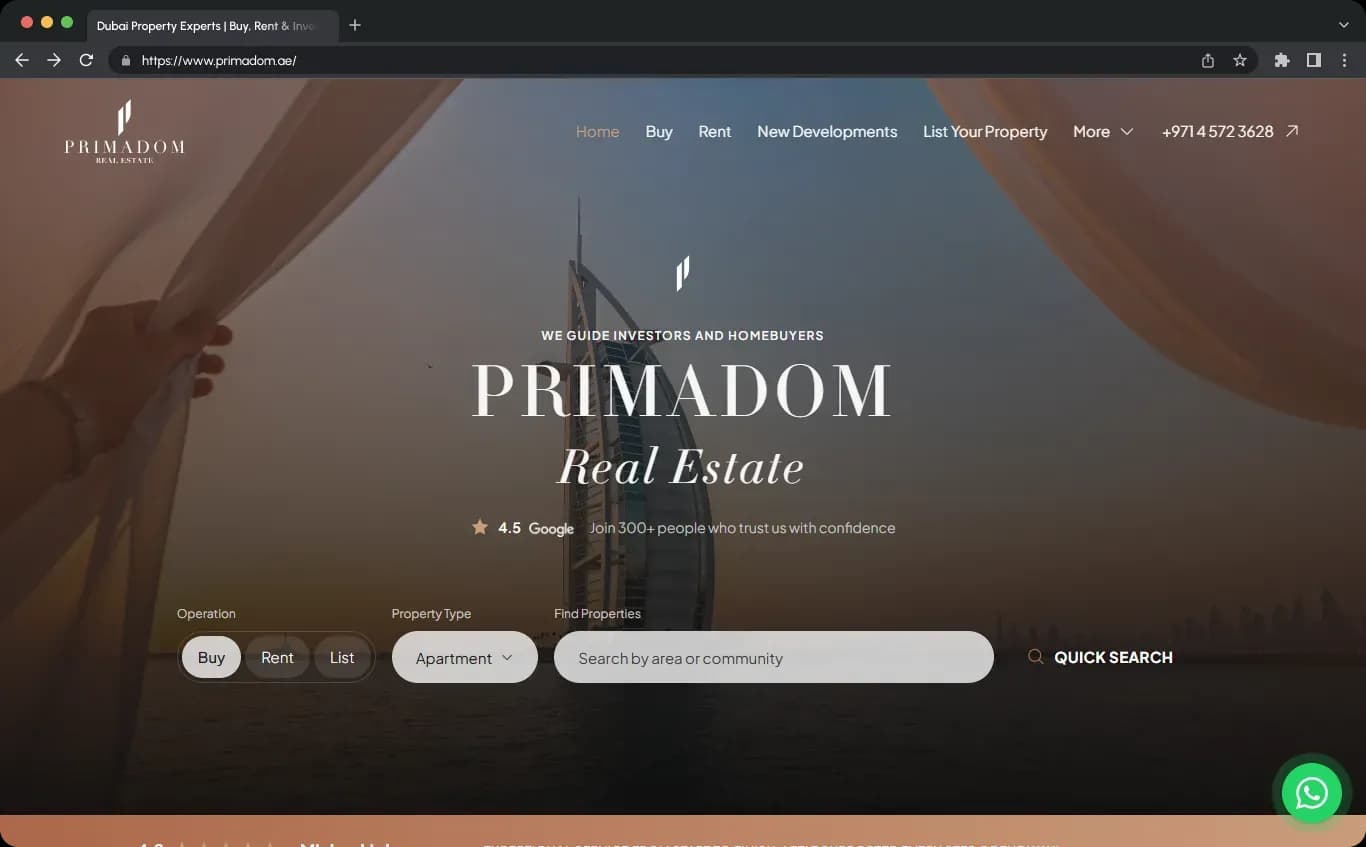
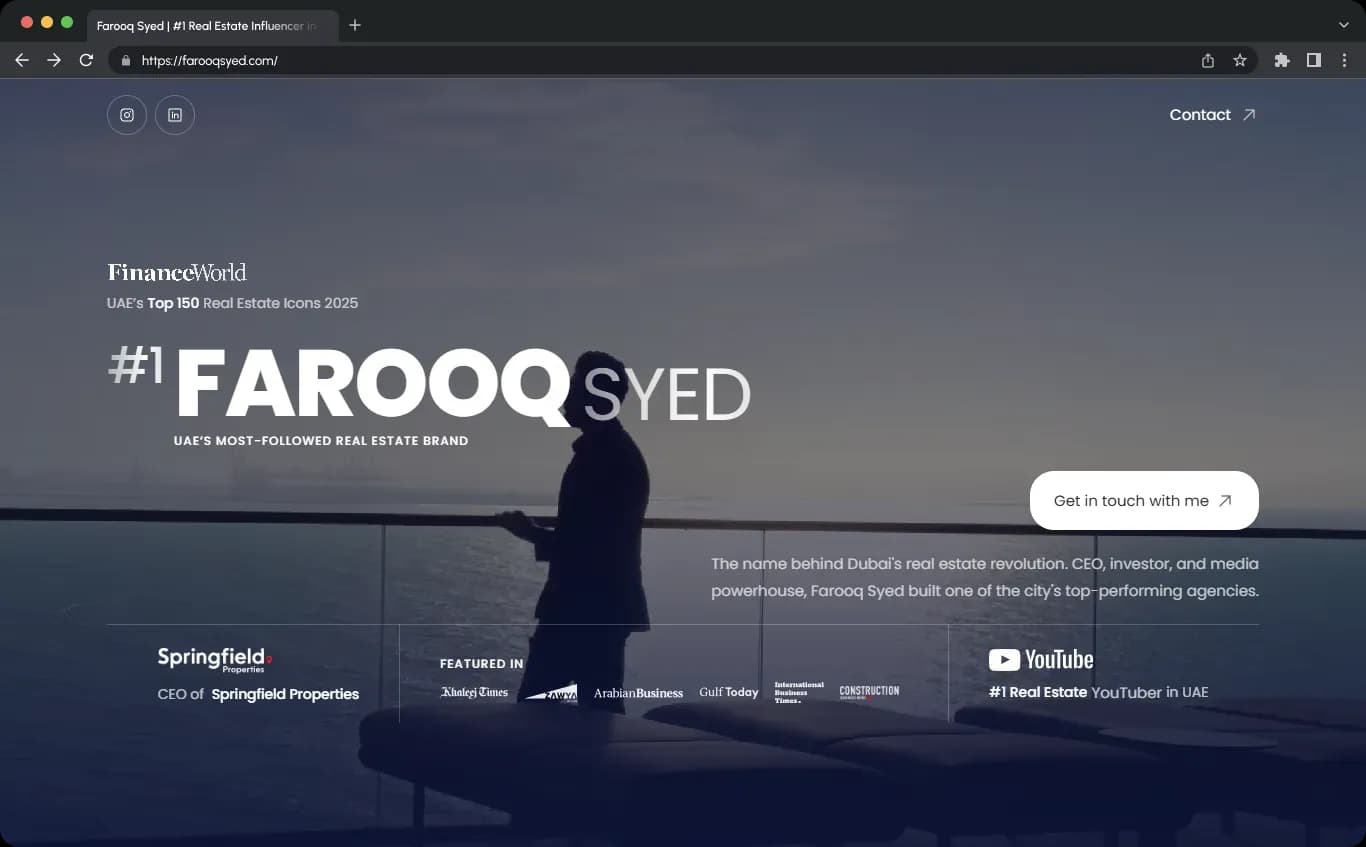
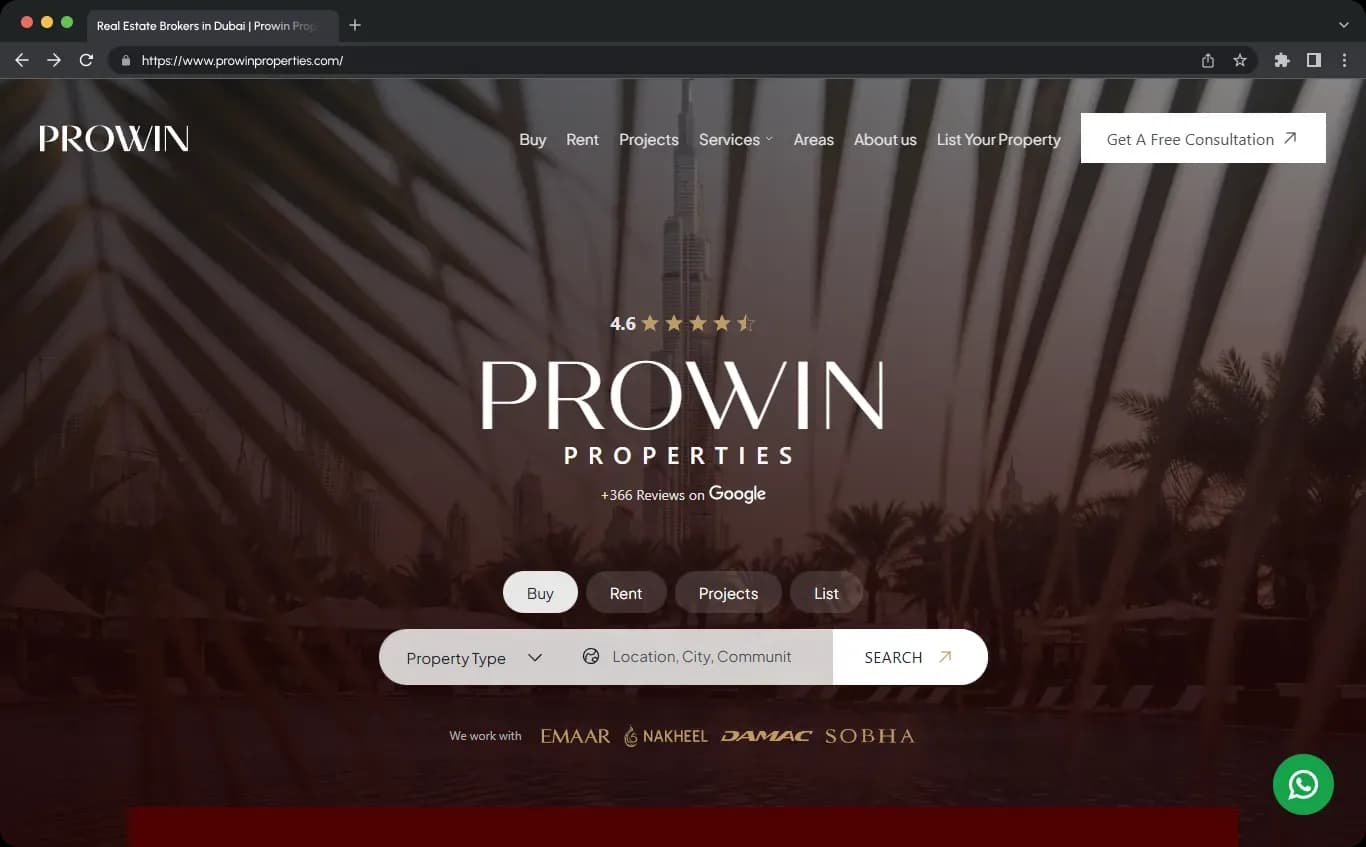
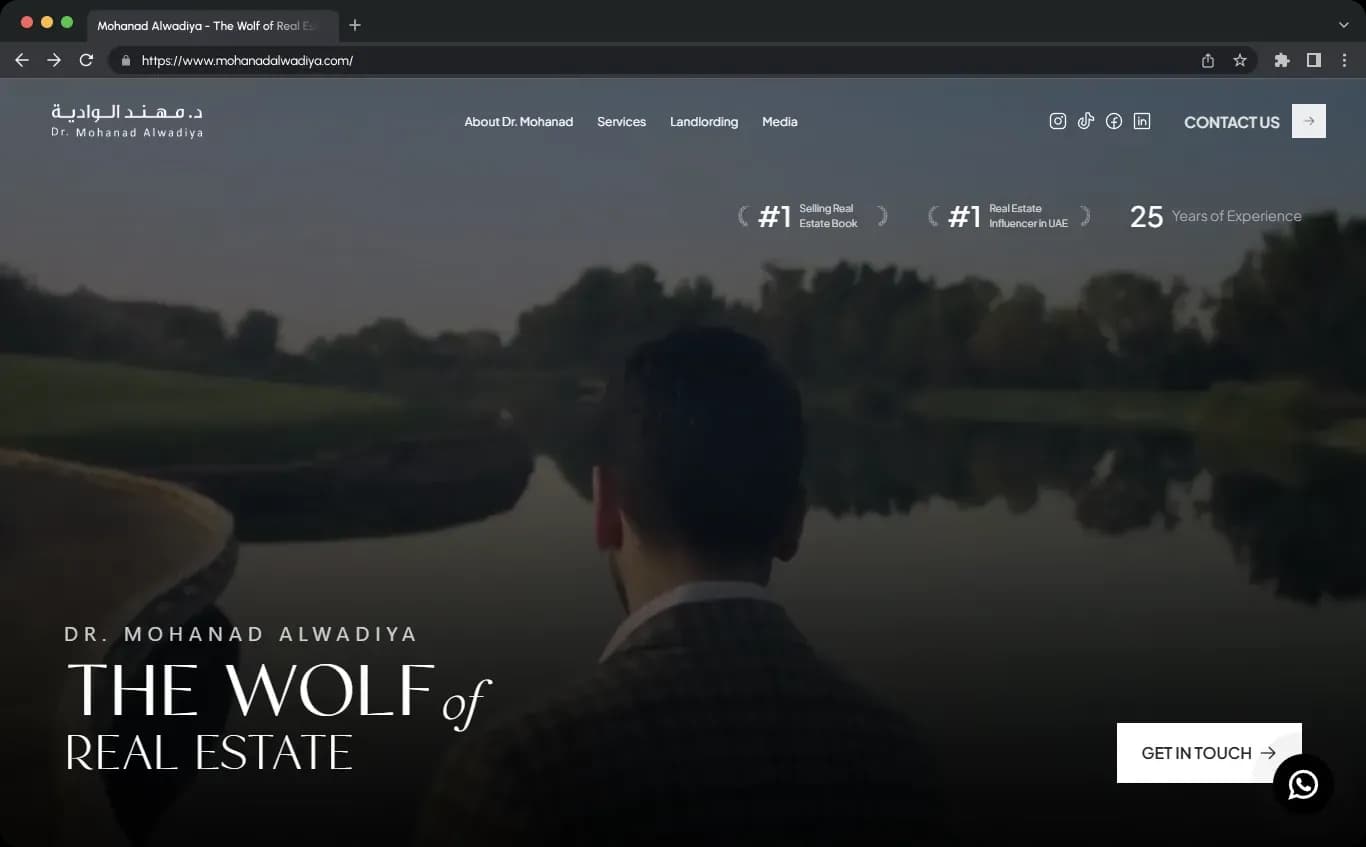
In 2026, real estate branding is no longer the “nice to have” part of the business. It is the business. A logo, headshot, brokerage colors, and polished templates still matter, but they are only brand assets. The real brand is the impression people form when they find us on Google, watch a Reel, read a market update, open an email, visit our real estate website, or hear our name from a past client.
That shift matters because real estate marketing ideas 2026 are changing fast. People search everywhere, not just Google. AI tools are becoming discovery engines. Social platforms reward relevance more than follower count. Off-platform friction kills leads. And highly polished content often loses to authentic content that feels human and useful.
The agents who win in 2026 will not just be good at marketing strategies for real estate agents. They will be recognizable, searchable, relevant, and trusted across every touchpoint. That is what modern real estate branding strategies are really about.
Below, we break down 15 practical branding tips that combine the best of real estate marketing trends, local SEO, social media marketing for real estate, email marketing, video marketing, referral marketing, and AI-assisted workflows.
Many real estate agents delay branding because they assume they do not have one yet. In reality, the moment someone lands on our Instagram, sees our yard sign, hears our name in a referral, checks our Google Business Profile, or watches one of our short-form videos, they create an impression. That impression is our brand whether we shaped it on purpose or not.
So the question is not whether we have a brand. The question is whether we are managing it intentionally.
If we are not deliberate, people fill in the blanks themselves. They decide whether we feel local, generic, luxury, approachable, corporate, warm, analytical, forgettable, sharp, or salesy. That is why one of the smartest first steps is to ask past clients, peers, or friends what comes to mind when they think of us professionally. Their answers often reveal the brand signals we are already sending.
This is where trust and credibility begin. Before we run Facebook ads, create listing marketing strategies, or launch a newsletter, we need to know what people are already associating with our name.
One of the biggest mistakes in real estate branding ideas is treating branding like a design project. Branding is not just a logo, colors, typography, or a slogan. Those help communicate the brand, but they are not the brand itself.
Our brand is the gut feeling people get about us. It is the pattern of signals we send over time:
If we jump straight into visual identity without clarifying our message, we usually end up with something polished but empty. In 2026, empty branding gets ignored fast. Strong real estate business growth strategies start with substance first and visuals second.
A strong brand starts with a clear answer to one simple question: why should a client choose us instead of another agent nearby?
Generic claims like “trusted real estate professional” or “helping buyers and sellers in the area” are not enough. That is not positioning. That is a license description. Strong brand positioning teaches people exactly where to place us in their mind.
We should aim to make our niche obvious. That could mean being:
Specificity improves brand recall and also supports search visibility across Google, YouTube, Instagram, TikTok, LinkedIn, AI assistants, and browser-based AI summaries. In 2026, our content should teach both people and machines who we help, where we work, and why our process is different.
When someone visits our homepage, they should understand within seconds:
Many agents still try to build their brand around a costume. The luxury suit persona. The fake camera voice. The copy-and-paste “I love helping families” identity. The overly polished version of themselves that looks professional but does not feel real.
That approach is getting weaker. People are craving authenticity, and platforms increasingly reward relatability. AI-generated sameness is everywhere, so one of the easiest ways to stand out is to sound and look like a real human being.
If we are naturally calm, we should be calm. If we are funny, we should be funny. If we are analytical, warm, design-focused, community-driven, or education-first, we should lean into that. Some of the strongest real estate branding strategies in 2026 come from being specific, not from trying to be everything to everyone.
A useful framework is to define our “and.” In other words: we are real estate and _____.
That second identity makes us memorable. Examples include:
This gives our audience another doorway into our brand and creates more content angles for social media marketing for real estate.
Too many real estate professionals post first and think later. That is backwards. Before we ramp up content marketing, we need a message.
We should define a few brand foundations:
One simple exercise is to write five to seven brand values and then create a few “we believe” statements. For example:
This point of view becomes the backbone of our captions, blog articles, listing presentations, email nurture campaigns, downloadable guides, scripts, lead magnets, and videos. The strongest brands do not just look distinct. They sound distinct.
Our real estate website should not function like an online brochure. In 2026, it needs to be the central brand asset that supports local SEO for real estate, lead generation, authority building, and conversion.
People research agents before they call. If they cannot quickly verify our credibility online, our brand weakens immediately. That is why real estate website SEO and user experience are now branding issues, not just technical issues.
A strong site should include:
It also needs to be:
Every ad, email campaign, social media post, referral outreach, and digital brochure should point back to this site. That keeps the brand anchored in an owned channel instead of relying only on rented platforms.
One of the best real estate marketing ideas 2026 has made even more valuable is hyperlocal expertise. Broad content is getting weaker. Hyperlocal real estate marketing is getting stronger.
If we want to be unforgettable, we need to become deeply associated with a place. Not just a city, but a neighborhood, school district, condo niche, lifestyle corridor, or type of move.
Examples of high-value hyperlocal content include:
This works because it does several jobs at once. It improves organic traffic through local SEO, strengthens brand association with a location, helps Google and AI tools understand our authority, and attracts prospects earlier in their decision process.
The generalist gets compared. The hyperlocal specialist gets remembered.
Video marketing for real estate is no longer optional if we want to build familiarity quickly. Short-form video is one of the strongest real estate marketing tactics in 2026 because it helps people feel like they know us before they ever contact us.
We should absolutely create listing videos, but property content should not be our only format. Strong brand-building video content can include:
We do not need a massive production setup. In fact, over-polished content often feels like an ad or something artificial. A smartphone, clear audio, useful information, and consistency are usually enough. Authentic content increasingly outperforms content that feels too perfect.
Short-form videos on Instagram Reels, TikTok, YouTube Shorts, and Facebook also help define brand tone. They show whether we are educational, polished, warm, funny, luxury-focused, analytical, or community-driven.
Short-form video builds awareness, but YouTube can build authority at scale. For many agents, it remains one of the strongest long-term digital marketing for real estate channels because it builds trust, ranks in search, supports AI discovery, and can be repurposed everywhere else.
Well-planned YouTube content helps us become the answer when someone searches our market, our niche, or a specific move. It is especially effective for relocation, first-time buyer education, neighborhood comparisons, seller strategy, and market updates.
Branding best practices on YouTube include:
When people return to our content repeatedly, our channel starts feeling less like random uploads and more like a trusted media brand.
Brand repetition creates memory. That means our visual identity should feel connected across our website, listing presentations, Google Business Profile, Zillow profile, newsletters, social channels, digital brochures, and offline materials.
Consistency can show up in:
We can also create repeated brand cues beyond graphics. It might be a recurring phrase, a recognizable market update format, a storytelling style, a walk-through style, or a signature content series. The point is not random creativity. The point is memory.
When someone sees a certain relocation guide format or a specific neighborhood breakdown, they should begin thinking of us before they even see our name.
Nothing shapes a real estate brand faster than other people describing us positively. Reviews, referrals, and testimonials are not just trust signals. They are part of our market positioning.
Text testimonials matter, but video testimonials are often even more persuasive because they feel more human and credible. We should build a repeatable system for collecting them after closings.
We can ask happy clients to share:
These assets should appear across:
If clients repeatedly describe us as responsive, strategic, calm, knowledgeable, or easy to work with, those words become part of the brand itself.
In 2026, traditional PDFs and static brochures are rarely enough on their own. Interactive digital materials make our brand feel more modern, more useful, and more aligned with current client expectations.
We can use interactive brochures, flipbooks, and digital presentations for:
These assets can include:
This is not just a design upgrade. It is a branding move. The way we present information communicates whether we feel current, responsive, and detail-oriented.
A newsletter is more than an email marketing for real estate agents tool. It is a brand channel. It keeps our name visible and reinforces that we are more than a transaction-based agent.
At the same time, it solves a deeper problem: social followers are rented attention. Platforms own distribution. We do not. Strong brands need owned channels that compound over time.
That means building and nurturing:
A valuable real estate newsletter can include:
Segmentation also matters. Our future sellers, past clients, investors, and first-time buyers should not all receive the exact same message. The more relevant the content, the stronger the brand feels.
AI tools for real estate marketing are becoming a major part of brand experience because speed now shapes perception. If a prospect reaches out after hours and hears nothing until the next day, the brand can feel outdated or inattentive.
Used well, automation helps our brand feel:
Useful examples include:
But there is an important line we should not cross. The goal is not to replace the relationship. It is to remove friction while keeping the communication warm and personal. The best agents use automation to multiply effort, not erase personality.
Social media should not be a random posting habit. Referral marketing should not be passive. Community involvement should not be disconnected from digital strategy. In 2026, the most effective real estate branding happens when all three work together.
On social media, we should use repeatable content pillars such as:
We should also engage actively. Comments, replies, polls, questions, live video, and story interactions are not afterthoughts. They show people our brand is alive. Engagement turns content into conversation, and conversation builds identity.
At the same time, we need to make referrals easier and more systematic. Referrals remain one of the strongest real estate lead generation ideas because they prove the brand is already trusted. We should stay in touch after closing, celebrate anniversaries, send useful updates, and remind people exactly who we help and where we work.
Finally, we should show up offline too. Community events, seminars, webinars, sponsorships, workshops, local partnerships, smart signage, QR-enabled flyers, and collaborations with local businesses all expand trust. When a respected lender, designer, contractor, photographer, or neighborhood business features us, some of that credibility transfers to our brand.
Real estate is still deeply local. The strongest brands in 2026 do not live only on Instagram or only on Google. They show up across digital and real-world channels in a way that feels consistent and credible.
The biggest takeaway is simple: the best real estate branding strategies are built on alignment. Not one tactic. Not one viral video. Not one website redesign. Alignment.
That alignment usually looks like this:
The tools are evolving quickly. AI-powered communication, predictive analytics, chatbots, virtual tours, 3D walkthroughs, drone photography, newsletters, content marketing, and marketing automation all matter more than they used to. But the core of branding has not changed. People still want to work with someone they recognize, trust, and remember.
If we want a practical rollout instead of trying to do everything at once, this is a smart order:
When we do this consistently, branding stops being cosmetic and starts acting like a growth engine. That is the real opportunity behind these 15 real estate branding tips agents need in 2026.
If we had to simplify all of this into one sentence, it would be this: our brand is the repeated proof of who we are, who we help, and why people should trust us.
That proof needs to show up in our content, voice, niche, local expertise, follow-up, visual consistency, community presence, and the way other people describe us when we are not in the room.
We do not need to become celebrity agents. We do not need to copy the loudest person online. We do not need a massive audience.
We do need to become memorable, specific, searchable, and trustworthy. That is what real estate branding in 2026 really means.
Hey, in Propphy we're determined to make a business grow. My only question is, will it be yours?
It's totally free, with no commitments
Hey, in Propphy we're determined to make a business grow. My only question is, will it be yours?
It's totally free, with no commitments