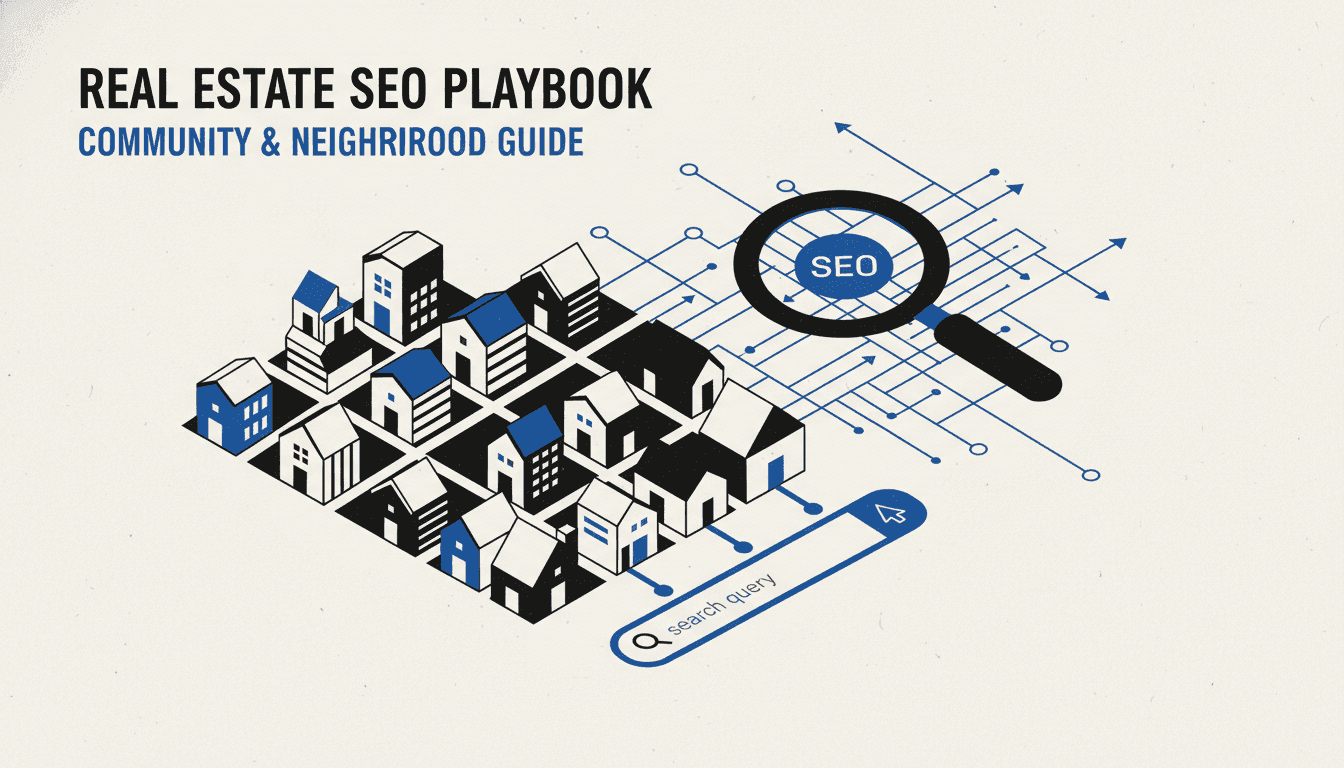
When people search “real estate community guide,” they’re asking one question: where should we live and why? We wrote this comprehensive neighborhood guide to help you evaluate areas objectively, build area guides that rank, and turn local expertise into leads and closings. We’ll show you what to include, how to launch, and how to apply the framework to major markets like Dubai—covering top communities, lifestyle fit, off‑plan opportunities, and investment angles.
What is a real estate community guide?
A community guide (also called a neighborhood guide, area guide, or resident guide) is an objective overview of an area’s lifestyle, amenities, housing stock and pricing, commute options, schools, key employers, and future development. Done right, it’s an evergreen asset you can repurpose across your website, email, social, open houses, and one‑to‑one prospecting.
- It helps buyers and renters find the right location by vibe, budget, and commute.
- It positions us as the local expert for sellers and investors.
- It strengthens SEO for searches like “[Area] community guide,” “living in [Area],” and “best neighborhoods in [City].”
Why every agent, buyer, and investor needs an area guide
- Authority and trust: Deep, neutral coverage demonstrates on‑the‑ground knowledge. We always walk an area at different times of day, noting traffic, lighting, noise, and foot traffic—fieldwork your clients will feel in your advice.
- Lead generation: Offer a downloadable “Neighborhood Guide” on a fast landing page. Keep the form short (name, email; optionally budget/move timeline).
- SEO: Long‑form, localized pages are magnets for “top communities,” “best areas to live,” and “area guide + community name” keywords.
- Clarity for big decisions: We screen communities using a consistent checklist—parks and green space, school access, retail/healthcare mix, transit and drive times, housing stock, HOA rules, hazards/insurance, utilities/fiber, zoning flexibility, and future pipeline. A standout mid‑size example we evaluated, Lakeland (TN), pairs a 65‑acre park and lake access with top‑ranked schools and a modern mixed‑use hub—an excellent recipe for day‑to‑day livability and stable resale.
What to include in a neighborhood guide (scannable and objective)
1) Neighborhood overview
- Location, vibe, landmarks, and a short history. Describe lifestyles (urban energy, waterfront living, golf community, suburban calm) without implying who “belongs.”
- Typical property types: apartments/condos, townhouses, villas; bedroom counts and parking norms.
2) Amenities and attractions
- Parks, trails, waterfronts, gyms, sports facilities, cultural venues, dining corridors, shopping districts, pet amenities.
- “Day in the life” examples: morning coffee spots, lunchtime walks, evening dining. We give extra weight to large, well‑maintained parks and bike paths—they correlate with long‑term demand in our experience.
3) Schools and education
- List nearby public and private options neutrally with distances and links to official sources. Avoid qualitative judgments; stick to verifiable facts and performance data.
- In master‑planned communities (for instance, Dubai Hills Estate), we highlight on‑site or adjacent schools to show daily convenience.
4) Transportation and commute
- Major roads and typical peak‑hour drive times; public transit lines and frequency; bikeways and walkability cues; airport access.
- Embed or link a map. We test drive key routes at rush hour before we publish commute times.
5) Housing market snapshot
- Annualized trends: median prices, days on market, list‑to‑sale ratio, rental yields. Keep it evergreen; revisit quarterly or annually.
- Age and style matter. We flag valuation nuances—for example, split‑level layouts often have some finished area “below grade,” which appraisers treat differently than above‑grade GLA. That affects price‑per‑square‑foot comps.
6) Demographics and lifestyle
- Use neutral, aggregated information (household types, age ranges) and describe lifestyle themes and activities without steering or exclusions.
7) Local economy and jobs
- Dominant industries, business clusters, free zones, coworking hubs, hospitality and retail nodes. Proximity to business districts like Downtown Dubai or Business Bay is a major decision factor for some readers.
8) Future development plans
- Approved or underway transit, roads, retail, and master‑planned projects. Explain likely impact on connectivity and livability.
- Investor angle: zoning flexibility and simple value‑add plays. We sometimes pursue low‑risk lot splits where a 1‑acre parcel can be subdivided into two half‑acre lots (subject to code, utilities, and setbacks). It’s a practical way to unlock value in established communities.
9) Community rules and regulations
- Summarize HOA/management considerations: pets, short‑term rentals, exterior changes, renovations, subletting. Link to official documents.
- Ownership note: In some jurisdictions (e.g., community property states in the U.S.), a spouse’s legal interest must be addressed at sale even if only one is on title. Always verify local requirements to avoid delays.
10) Practical resources
- Hospitals/clinics, urgent care, grocery options, municipal services, recycling, emergency contacts, parks and recreation pages.
- Risk checks we never skip: flood maps and premiums, wildfire or wind exposure, underground tanks, and insurance norms. We’re cautious with homes that show sloppy flip work or extreme customizations that narrow resale appeal.
Dubai community guide: top neighborhoods, lifestyle fit, and investment angles
Dubai blends strong connectivity, freehold zones, and a dynamic off‑plan market. Use this citywide snapshot as a model for area guides and internal linking.
Core urban and waterfront hubs
- Downtown Dubai: Iconic skyline, luxury high‑rise apartments, direct access to arts, dining, and business hubs.
- Business Bay: Central mixed‑use district by the Dubai Water Canal; modern apartments near offices and startups.
- Dubai Marina: Waterfront promenades, retail, and dining; active day and night.
- Jumeirah Beach Residence (JBR): Beachfront urban living with frequent events and sea‑view apartments.
- Palm Jumeirah: Prestigious man‑made island with premium apartments and waterfront villas; resort‑level amenities.
- Emaar Beachfront & Bluewaters: Luxury island enclaves with signature views and branded residences.
- Dubai Creek Harbour: Modern waterfront towers, marinas, and planned retail with convenient access to the core.
Master‑planned and family‑focused communities
- Dubai Hills Estate: Green master plan with central park, 54 km cycle route, Dubai Hills Mall, schools, and an 18‑hole championship course. Housing spans apartments, Maple townhouses, and Sidra/Golf Place villas—one of the best examples of integrated planning we’ve seen.
- Jumeirah Village Circle (JVC): Community‑oriented, relatively affordable mix of apartments, townhouses, and villas with parks and schools.
- Arabian Ranches & The Springs: Established villa and townhouse communities with greenery and community centers.
- Tilal Al Ghaf: Resort‑style lagoon living with parks and family amenities.
- Town Square: Value‑forward master plan with amenities and a variety of unit types.
Luxury villa districts and golf communities
- Emirates Hills & Emirates Living: Serene villa districts around golf and lakes, ranging from upscale to ultra‑luxury.
- Jumeirah Golf Estates (JGE): Championship golf, landscaped neighborhoods, villas and townhouses.
- Al Barari: Lush, low‑density enclave emphasizing greenery, wellness, and upscale living.
- Jumeirah Park & Jumeirah Islands: Generous plots, community centers, and tranquil streetscapes.
Established mixed areas and value plays
- Al Barsha: Centrally located with varied housing (villas and apartments) near major retail, schools, and healthcare.
- Mirdif: Established suburban feel with parks, schools, and convenient airport access.
- Arjan, Dubailand, and Dubai South: Growth corridors with apartments, townhouses, and emerging retail—often attractive price points and strong new‑build pipeline.
Freehold areas, off‑plan projects, and investor notes
- Freehold zones: Foreign ownership is available in designated areas. Link your guides to official freehold resources.
- Off‑plan communities: Dubai Creek Harbour, Dubai Hills Estate, Mohammed Bin Rashid City (MBR City), JVC, and Downtown launches often offer staged payment plans and potential capital appreciation. We present developer track records, delivery timelines, and amenity plans factually—no hype.
- Coastal premiums: Engineered/island locations (e.g., Palm Jumeirah) command significant price premiums; water adjacency typically carries unique costs, covenants, and insurance considerations to verify upfront.
How to choose the right Dubai area
- Define priorities: Lifestyle (urban hub, waterfront, golf, suburban), commute, school access, budget, and property type.
- Model total cost: Include service charges and running costs.
- Test the commute: Check drive times to Downtown/Business Bay/JLT at peak hours.
- Visit at different times: Morning, evening, weekends to gauge traffic, noise, and activation.
- Review pipeline: Upcoming transit lines, malls, and community expansions that may improve access and long‑term value (Dubai Islands, Palm Jebel Ali, new metro links).
- Check rules: Pets, renovations, and rental policies (especially if considering short‑term rentals).
How to research and produce your community guide efficiently
- Desk research: City plans, transit maps, school directories, developer master plans, and market reports.
- Fieldwork: Walk the area at multiple times of day; note street lighting, sidewalks, bike lanes, and noise. We snap original photos of parks, streetscapes, and typical homes (respecting privacy).
- Interviews: Speak with business owners, property managers, and residents for color—keep quotes factual and non‑promotional.
Editorial standards: helpful, neutral, precise. Cite sources, date‑stamp stats, and schedule refreshes (lifestyle/amenities annually; market snapshot at least annually; development plans quarterly).
Compliance and fair, objective language
- Avoid any phrasing tied to protected characteristics or that “steers” buyers to or from areas or schools.
- Stick to verifiable facts: distances, amenities, commute times, and publicly available performance data.
- If operating outside the U.S., follow your jurisdiction’s advertising and consumer‑protection rules; where relevant, clarify ownership frameworks (e.g., freehold/leasehold or community‑property nuances).
We also run a risk screen on individual homes—flood maps and premiums, underground tanks, and major system updates on older properties—because hidden remediation can derail budgets and timelines.
Launch plan: turn your neighborhood guide into a lead magnet
- Landing page: Fast, mobile‑optimized, concise copy, and a short form. Include a skim‑friendly web version plus a lightweight PDF.
- Segment by area: Tag contacts based on the community they downloaded (Downtown, Dubai Marina, JVC, etc.).
- Email nurture (4–6 messages):
- Delivery + what to expect.
- Amenities and lifestyle deep‑dive + two curated listings.
- Schools, commute, and weekly open homes.
- Market snapshot with annualized trends + no‑pressure consult CTA.
- Upcoming developments and local events.
- Social proof: a client story from that area.
- Conversion: Offer planning calls, private tours, or market valuations with a calendar link for frictionless booking.
- PPC: Bid on “[Area] homes for sale,” “[Area] community guide,” “[Area] schools,” and “[Area] things to do.”
- Paid/organic social: Short video teasers, “3 places locals love,” school/park spotlights—always link back to the full guide.
- Email marketing: Feature guides in newsletters; automate nurture for downloaders.
- Website integration: Create a “Communities” nav item, one page per area, and a city index page (e.g., “Dubai Communities & Area Guides”). Add internal links from listings and blogs.
- Partnerships & events: Cross‑promote with local cafés and gyms; display a QR code at open houses; sign‑ins trigger your nurture sequence.
Measure, optimize, repeat
- Traffic: Organic visits, queries, time on page, scroll depth.
- Conversion: Landing page views → downloads → appointments booked.
- Engagement: Email open/click rates, social saves/shares/comments.
- Sales impact: Tours, signed listings, and closed deals attributable to the guide.
- Update ROI: Ranking and conversion lifts after refreshes.
Dubai case study: build a citywide communities hub that ranks
- Step 1: Create an index page. H1: “Dubai Communities & Area Guides.” Add a 150–250‑word intro about living in Dubai (freehold areas, off‑plan, connectivity). Implement ItemList schema for your area index.
- Step 2: One page per area. Examples: Downtown Dubai, Business Bay, Dubai Marina, JBR, Palm Jumeirah, JVC, Al Barsha, Mirdif, Emirates Hills, Dubai Hills Estate, Dubai Creek Harbour, MBR City, Emaar South, JLT, JGE, Arjan, DAMAC Hills, Meydan, Bluewaters, Tilal Al Ghaf, Town Square, Dubai South, Palm Jebel Ali.
- Step 3: Consistent page template. Overview; fast facts; map; amenities; schools; transport; housing snapshot; economy/jobs; future development; community rules; “who it suits” by lifestyle; dynamic listings; CTA.
- Step 4: Investment and off‑plan modules. Payment plans, expected handover windows, developer track record. Keep language factual. For waterfront/island projects, explain premiums and covenants plainly.
- Step 5: Internal links everywhere. From listings and blog posts (“best waterfront neighborhoods in Dubai,” “golf communities in Dubai,” “affordable areas in Dubai for first‑time buyers”).
- Step 6: Visuals. Original photos of parks, promenades, and streetscapes; simple pricing and DOM charts; landmark/commute maps with alt text.
Reusable neighborhood guide template
- Title: “[Area] Community Guide: Homes, Lifestyle, and Everyday Living”
- Overview: 1 paragraph on location/vibe and housing types
- Fast facts: Property mix, typical pricing bands, annualized DOM
- Map: Landmarks and commute routes labeled
- Amenities: Parks, retail/dining, fitness, culture
- Schools: Neutral list with links and distances
- Transportation: Roads, transit lines, commute times
- Market snapshot: Annual trends and rental yields
- Economy/jobs: Nearby business clusters and free zones
- Future development: Approved/underway projects and likely impact
- Community rules: HOA highlights (pets, STRs, exterior changes)
- Who it suits: By lifestyle preferences (e.g., waterfront, urban hub, golf)
- Listings/open homes: Auto‑updated feed
- CTA: Book a private tour, download the PDF, or schedule a consult
FAQs
What makes a “great” community?
We look for a blend of lifestyle, stability, and future upside: extensive green space and trails; credible school access; thoughtful retail/healthcare; housing variety (new phases signal momentum); and sound infrastructure. In master‑planned examples like Dubai Hills Estate, the integration of parks, schools, healthcare, and shopping within a short radius is a reliable marker of day‑to‑day convenience and enduring demand.
How often should we update a community guide?
Refresh annually (quarterly for development timelines). Update market stats, new openings, transit changes, and any HOA policy shifts. Add seasonal photos and recent events to keep the page feeling lived‑in and current.
Which data sources are best?
City planning portals, transit authorities, school regulators, developer master plans, market reports, and your MLS. Walk the area yourself to validate distances and commute times.
Are off‑plan projects riskier?
They carry different considerations: developer track record, escrow/payment plans, handover timelines, and service charges. Present facts neutrally and link to official documents. For coastal or engineered land (e.g., island districts), review covenants, maintenance, and insurance specifics.
How do we compare two neighborhoods?
Line up lifestyle, commute, school access, property types, service charges, and future pipeline. We also sanity‑check resale by avoiding properties with costly hidden risks (e.g., flood exposure or unremediated legacy systems) regardless of the community’s strengths.
Next steps
- Download our sample community guide checklist and template.
- Pick three high‑intent areas (e.g., Dubai Marina, JVC, Dubai Hills Estate) and publish guides within two weeks.
- Launch a simple landing page + 6‑email nurture and promote via PPC, social, and your newsletter.
- Book a planning call—we’ll map your content plan, review hazards/insurance screens we use, and set up an analytics dashboard to track rankings, downloads, and appointments.