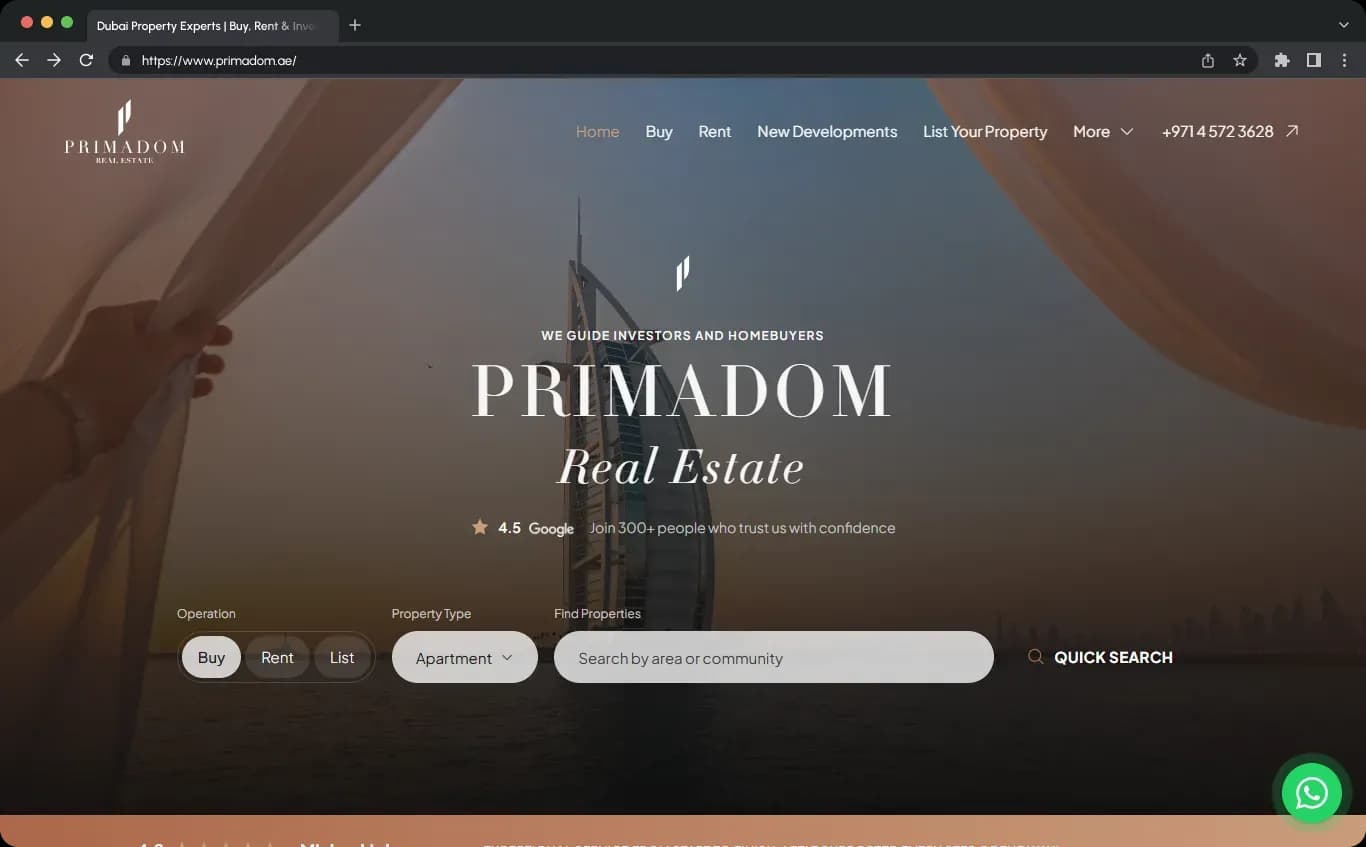
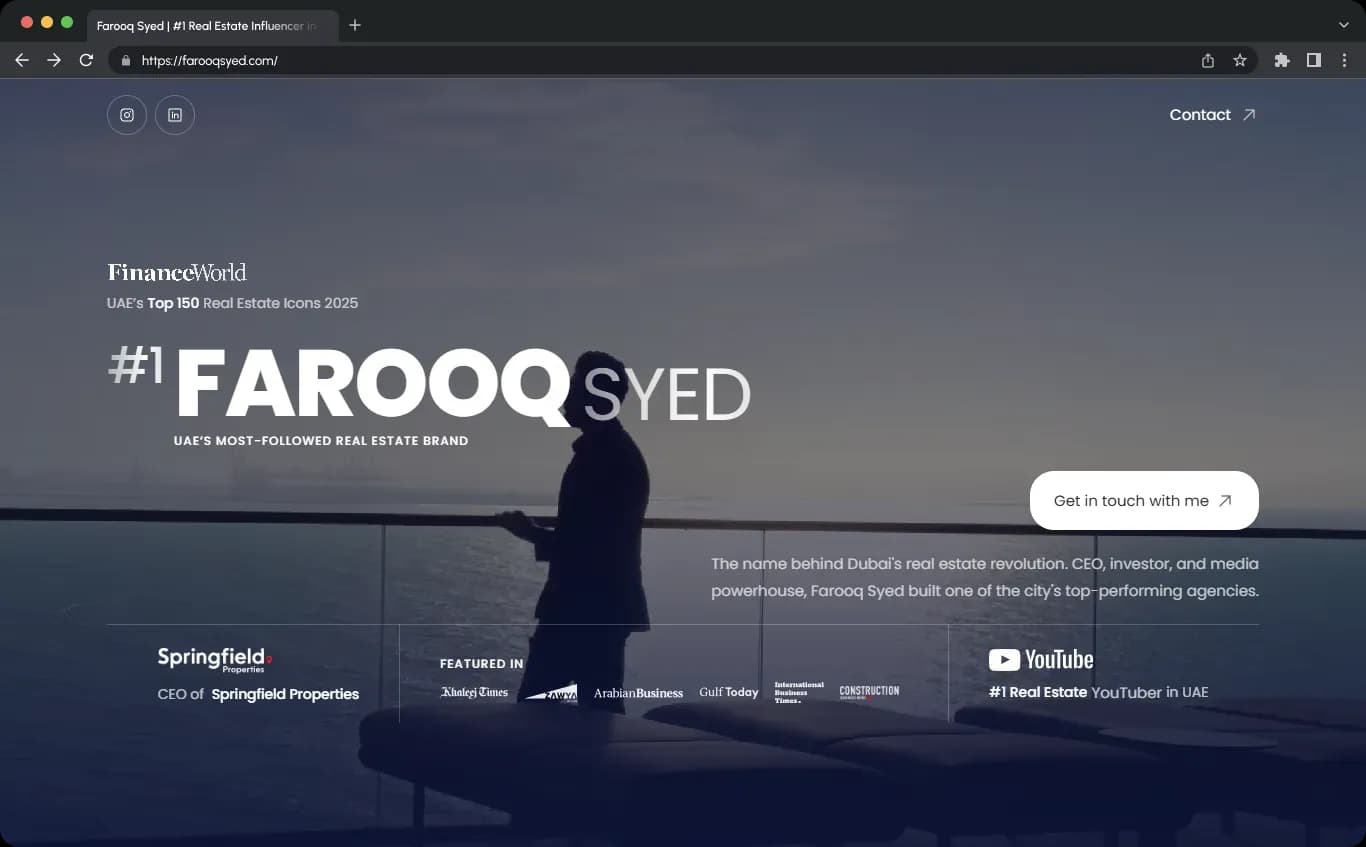
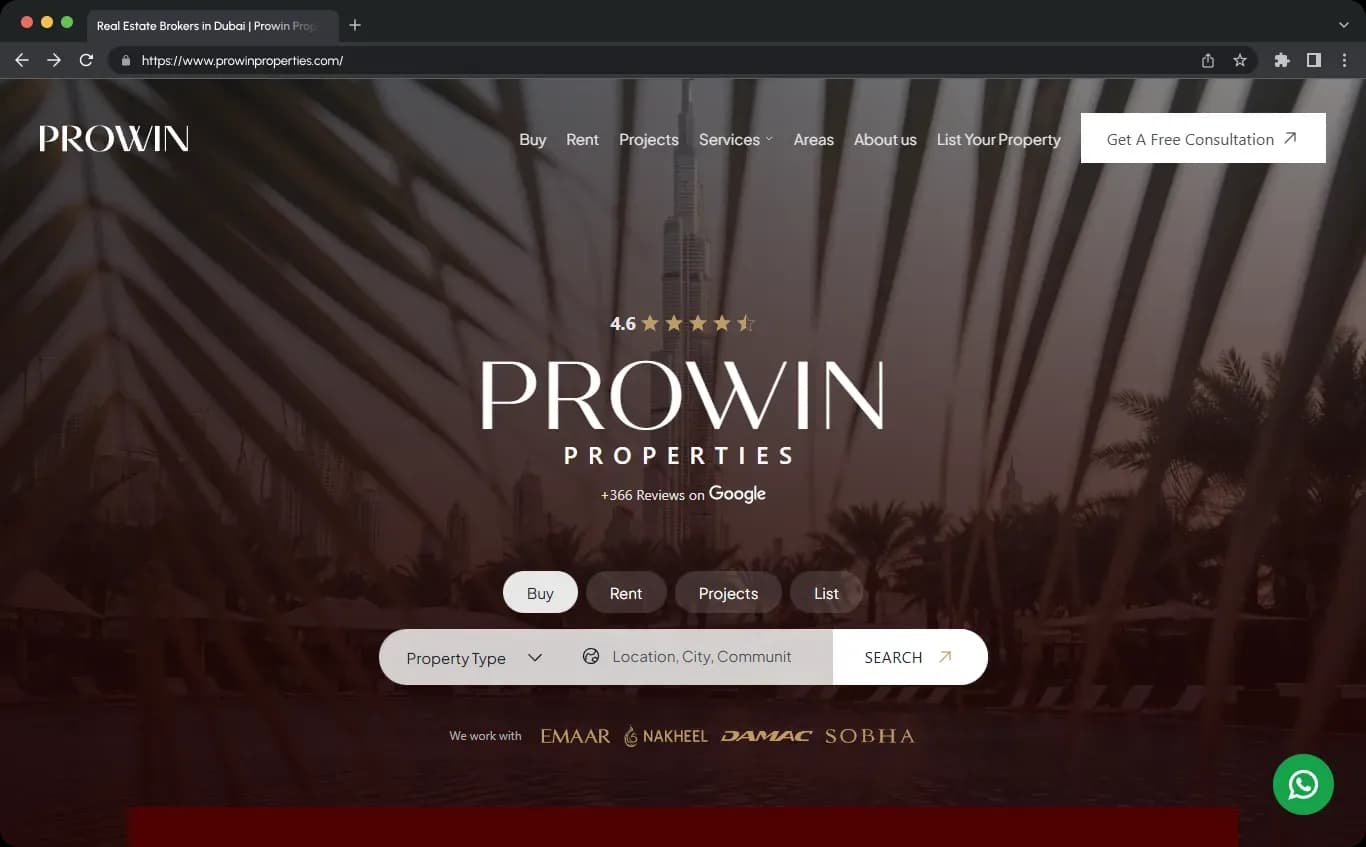
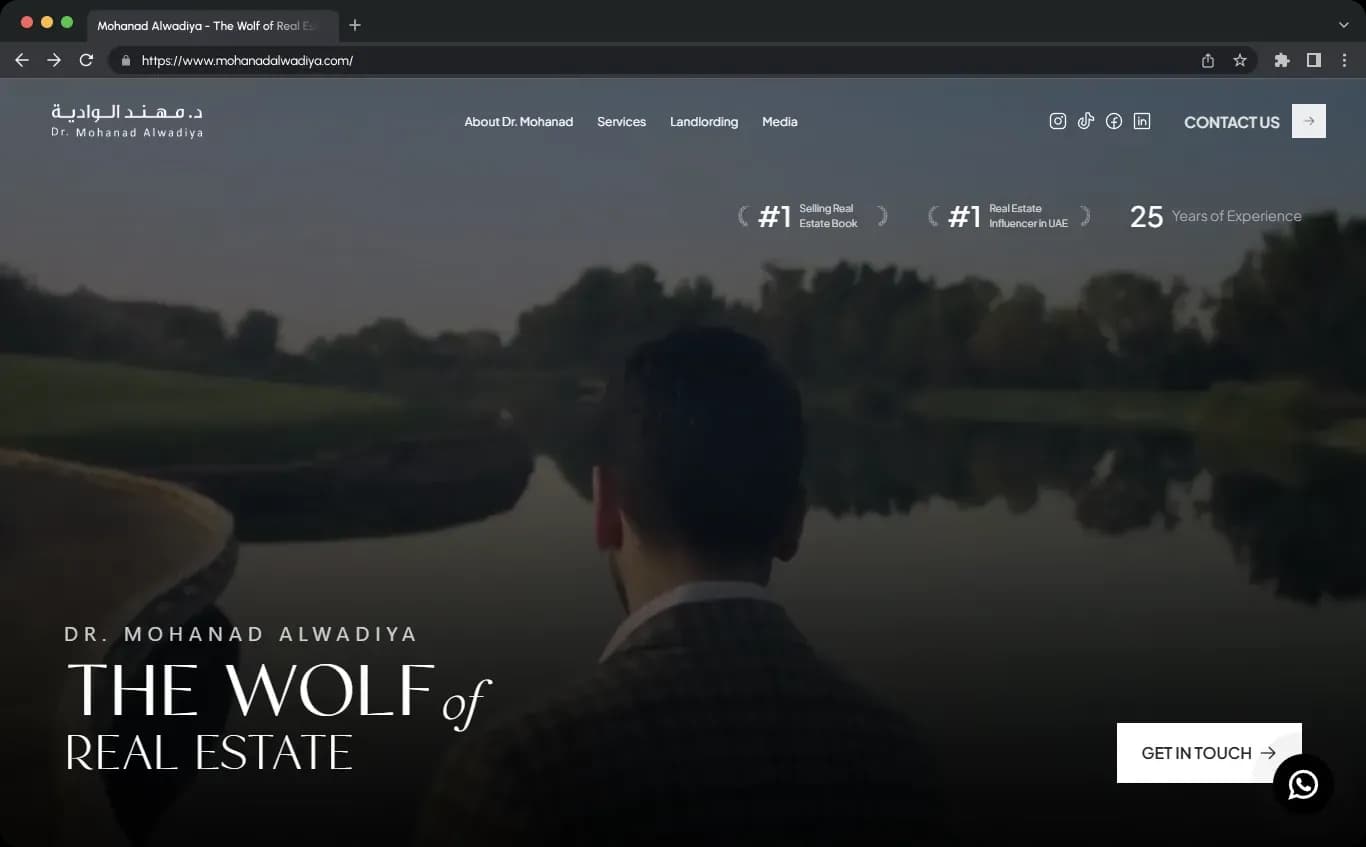
Real estate content is no longer a “nice to have” for agents, brokers, and REALTORS®. It is one of the core ways buyers, sellers, investors, renters, relocation clients, and referral partners discover us, evaluate us, trust us, remember us, and eventually decide to hire us.
People are already searching Google, watching YouTube neighborhood tours, scrolling Instagram Reels, comparing homes online, reading market updates, checking reviews, and asking AI tools questions before they ever book a consultation. If we are not visible in those moments, another real estate professional will be.
A complete real estate content strategy helps us show up with local expertise, useful education, personality, social proof, strong listing media, clear calls to action, and a follow-up system that turns attention into conversations. The goal is not to post random tips forever. The goal is to become the trusted local expert before someone is transaction-ready.
Real estate content marketing is the practice of creating and sharing helpful, relevant, and consistent content to attract, educate, engage, and convert our ideal clients. Instead of leading every message with “Call us today,” we give value first: we answer questions, explain the buying and selling process, reduce confusion, show market knowledge, and make it easier for people to trust us.
For realtors, content marketing can include:
The key difference between content marketing and traditional real estate advertising is that content is consumer-centered. A listing flyer says, “Look at this home.” A strong piece of real estate marketing content says, “Here is what this home means, who it might be right for, what the neighborhood is like, what the numbers mean, and what to do next.”
The entire game is simple: attract the right people, build trust before they ever speak with us, and move them toward a real conversation.
Real estate is personal, emotional, expensive, and high-stakes. Buyers and sellers are not just choosing a product; they are making one of the biggest financial and lifestyle decisions of their lives. They want to know if we understand the local market, if we can communicate clearly, if we are active and credible, and if we are the right person to guide them.
That trust-building process now starts online. Consumers search for home prices, mortgage tips, neighborhood information, market conditions, how to sell a house, how to buy a first home, whether now is a good time to move, and which agent looks knowledgeable. Industry research frequently shows that the internet plays a massive role in the home search process, and source data referenced in our research noted that 51% of recent buyers found the home they purchased online.
That means our digital presence matters as much as traditional tools like open houses, yard signs, print mailers, and referral networking. Our website, blog, listing media, Google Business Profile, Instagram, Facebook, TikTok, YouTube, email newsletter, CRM follow-up, and lead capture paths all work together.
When someone watches five of our videos, reads our neighborhood guide, sees our market update, and downloads our buyer checklist, they already feel like they know us. They have heard our voice, seen our process, and learned how we think. That makes the first call warmer and more productive.
This is especially important because many prospects are not ready today. They may be six months, twelve months, or even two years away from buying or selling. Content lets us stay top of mind without constantly making hard-sell messages.
Our brand is not just our logo, colors, slogan, or headshot. Our brand is what people remember about us. It is who we help, where we work, what we specialize in, how we communicate, what we believe, and how clients feel when working with us.
In a world where AI can create generic real estate captions instantly, our personal brand becomes even more valuable. We need to be clear about our market, our niche, our values, our process, and our proof. People should be able to land on our social profile or website and immediately answer three questions:
A vague bio like “Helping people achieve their dreams” may sound nice, but it does not help a buyer or seller hire us. A stronger bio is specific: “Tampa Realtor helping families relocate, buy new construction, and sell with confidence. Download our free Tampa relocation guide below.”
Real estate lead generation with content works best when we think in terms of a funnel, not isolated posts. Views alone are not the goal. A video with 700 views that generates two buyer consultations is more valuable than a viral post with 50,000 views and zero leads.
A simple real estate content funnel looks like this:
| Stage | What Happens | Content Examples |
|---|---|---|
| Discovery | Someone finds us through search, social media, YouTube, referrals, or local content. | Neighborhood videos, Instagram Reels, blog posts, market updates, Google Business Profile posts |
| Trust | They consume more content and begin to believe we understand their situation. | Buyer guides, seller education, client stories, testimonials, detailed local advice |
| Conversion | They take action and identify themselves as interested. | DM keywords, consultation links, home valuation forms, guide downloads, open house sign-ins |
| Nurture | We follow up until they are ready to move forward. | Email drips, CRM reminders, newsletters, text follow-up, retargeting, market updates |
| Client and Referral | They work with us, remember us, and refer us. | Past-client newsletters, homeowner tips, anniversary check-ins, community content |
Most agents focus heavily on discovery and forget nurture. That is why they can generate leads but struggle to convert them. If someone downloads our relocation guide, comments on a Reel, attends an open house, or fills out a home valuation form, that person needs to go into a CRM with tags, follow-up reminders, relevant email sequences, and personal outreach.
Every piece of content should have a next step. That next step does not always need to be “hire us now,” but it should guide the person forward.
Tools that automate DM delivery from keyword comments can help turn social media engagement into lead capture. For example, if we post a Reel about moving to Tampa and ask people to comment “TAMPA” for a relocation guide, an automation can send the guide directly to their inbox and start a conversation.
One of the biggest mistakes realtors make with content is trying to speak to everyone. If we try to be the agent for first-time buyers, luxury sellers, investors, downsizers, new construction buyers, probate sellers, relocation clients, and every neighborhood in the metro area, our content becomes too broad. Broad content is usually forgettable.
We do not need to only serve one type of client forever, but our marketing should make it obvious who we are trying to attract.
We can build niche-specific content around audiences such as:
If we serve investors, our content might cover ROI, cash flow, renovation costs, rental demand, cap rates, financing strategies, and common mistakes. If we serve first-time buyers, our content should cover down payments, credit scores, pre-approval, inspections, closing costs, offer strategy, and emotional confidence. If we serve relocation buyers, our content should cover neighborhoods, schools, commute times, lifestyle, cost of living, pros and cons, and what people wish they knew before moving.
Area-specific content is extremely powerful because real estate search is local. People rarely search only “real estate agent.” They search phrases like:
If our content becomes the answer to those searches, we become the obvious agent. A simple positioning statement can guide everything we create:
“We help [audience] in [market] achieve [specific result] with [our unique approach].”
Examples include: “We help first-time buyers in Nashville understand the process, avoid costly mistakes, and buy confidently,” or “We help relocating families find the right neighborhood before they ever step off the plane.”
Content pillars are recurring themes that keep our real estate content strategy focused. Instead of waking up every day asking, “What should we post?”, we can rotate through proven categories that educate, build trust, and generate leads.
Market updates position us as local experts. But we should not just post charts. Our value is in explaining what the numbers mean.
Useful market content includes:
A strong format is: “Here is what changed, here is why it matters, and here is what we would do if we were buying or selling right now.”
Buyer content helps generate buyer leads and builds confidence with people who are overwhelmed by the process. Topics include:
Seller content should build confidence in our pricing strategy, preparation process, listing marketing plan, negotiation skill, and communication style. Strong topics include:
Neighborhood content attracts people before they are actively ready to hire an agent. People care about lifestyle, not just square footage. They want to understand commute times, schools, parks, restaurants, walkability, new construction options, local culture, and what daily life feels like.
Examples include:
Property content works well on Instagram, TikTok, Facebook, YouTube, email, and our website. But we should avoid silent walkthroughs with no context. Strong property content explains the price, location, home specs, lot size, HOA fees, property taxes, unique features, neighborhood benefits, pros and cons, and who the home is best for.
People do not hire only information. They hire people. We should show enough of our personality, values, routines, client experience, and community involvement that prospects feel connected. That does not mean turning our page into a diary. It means showing how we think, how we work, and what it feels like to be guided by us.
Testimonials, case studies, reviews, and client success stories are some of the strongest real estate marketing assets we have. Instead of only saying “Congratulations to our buyers,” we should tell the story: what challenge they faced, what strategy we used, what result happened, and how they felt afterward.
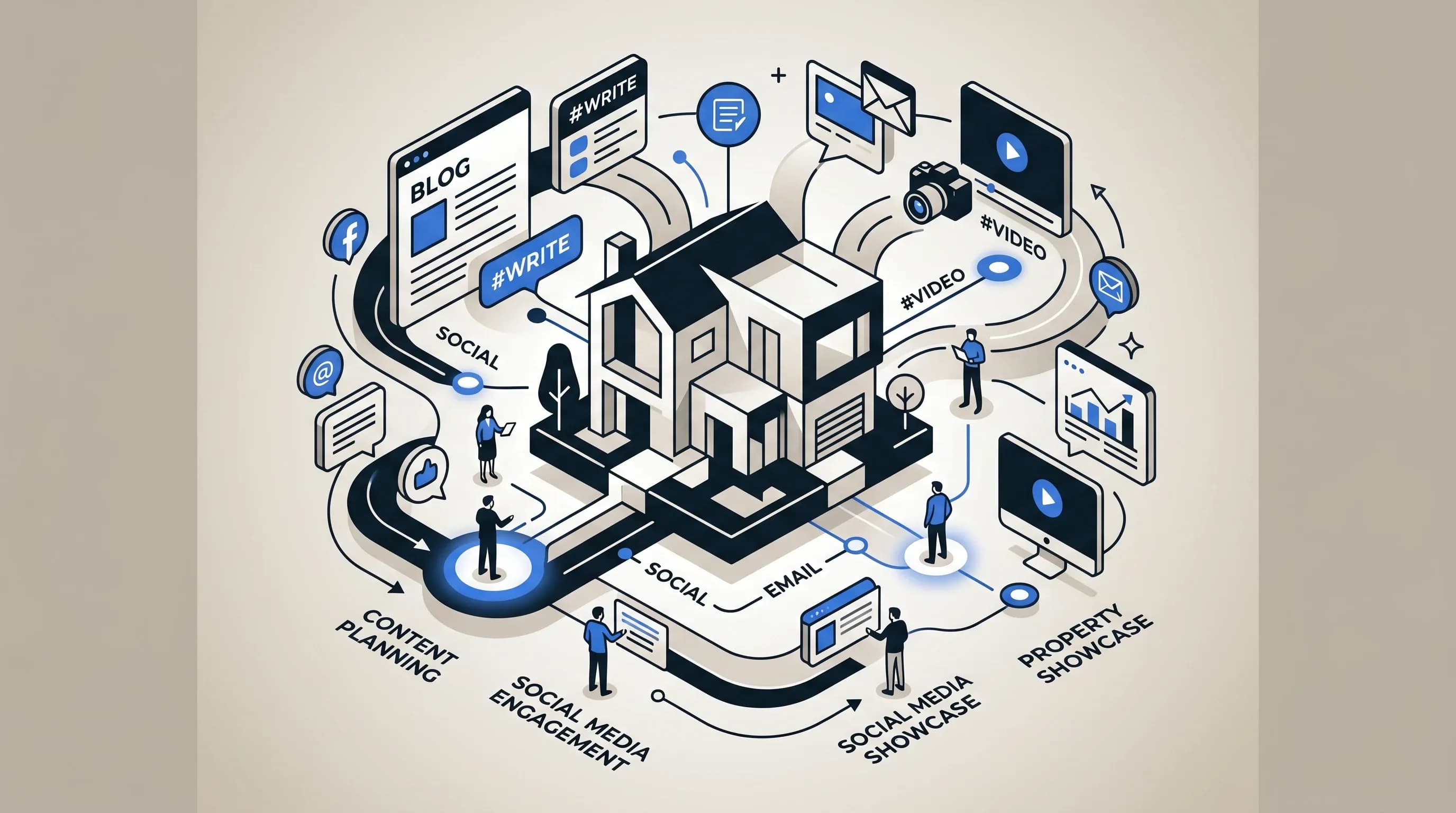
A complete real estate content marketing system usually includes multiple formats. We do not need to master everything at once, but we should understand how each content type supports the larger strategy.
Blogging helps us answer search-based questions and build local real estate SEO authority over time. Real estate blog content can target buyers, sellers, homeowners, investors, and relocation clients.
Strong real estate blog ideas include:
A single blog post can become an email newsletter, a carousel, a YouTube script, several short-form videos, a LinkedIn post, and a downloadable checklist.
Email is one of the best tools for nurturing real estate leads because it reaches people directly. Social media is great for discovery, but email is better for follow-up and relationship building.
We can send newsletters to past clients, current leads, open house visitors, referral partners, our sphere of influence, and homeowners in our farm area. Content can include market updates, home maintenance tips, local events, recent sales, homeowner advice, mortgage commentary, vendor recommendations, and client success stories.
Video builds trust quickly because people can hear our voice, see our face, and understand our communication style. We can use video for listing walkthroughs, home tours, neighborhood tours, market updates, buyer tips, seller advice, open house previews, local business spotlights, testimonials, and behind-the-scenes content.
Listing media should be high quality. Professional photography and videography signal that we invest in marketing and, by extension, that we invest in our clients. For casual education, though, raw and useful can outperform overly polished and generic.
Real estate can be confusing. Infographics simplify complex topics like the home buying timeline, mortgage pre-approval, seller prep, closing costs, inspection steps, appraisal issues, moving checklists, and offer terms. These work well on Instagram carousels, Pinterest, Facebook, LinkedIn, blog posts, and email newsletters.
Lead magnets turn anonymous attention into identifiable leads. A lead magnet is a free resource someone receives in exchange for their contact information or by starting a DM conversation.
Great real estate lead magnets include:
Social media is a 24/7 open house for our expertise, listings, personality, and local knowledge. It lets people “tour” our brand before they ever contact us. Social platforms also influence local business discovery; research referenced in the source material noted that 31% of U.S. consumers use Instagram for local business reviews and 20% use TikTok when choosing real estate and related services.
The best social media platform for real estate agents depends on our audience and our ability to stay consistent. We should not chase every trend blindly. We should choose the platforms where our ideal clients spend time and where our content style fits.
| Platform | Best Use for Realtors |
|---|---|
| Reels, Stories, carousels, listing content, visual branding, local lifestyle, DMs, social proof | |
| Community engagement, local groups, events, past-client visibility, open houses, referrals | |
| TikTok | Short educational videos, local discovery, relatable content, younger buyers, viral reach |
| Professional credibility, referral partners, investors, relocation, corporate audiences | |
| YouTube | Evergreen search traffic, neighborhood tours, relocation content, buyer education, home tours |
| Google Business Profile | Local SEO, reviews, market posts, service area visibility, map search credibility |
Instagram Reels, TikTok, Facebook Reels, and YouTube Shorts are increasingly interest-based platforms. That means content can reach people based on what they care about, not just who follows us. We can have a small audience and still reach thousands of potential buyers or sellers if the topic is specific, useful, and engaging.
Short-form content that performs well often includes:
People scroll quickly. Our first line matters. Strong hooks include:
The more local and specific the hook, the better. “Tips for buyers” is easy to ignore. “Five things first-time buyers in Denver should know before writing an offer this spring” is much stronger.
Instagram is especially useful for real estate because it is visual, local, interactive, and brand-driven. It supports listing carousels, Reels, Stories, Lives, DMs, testimonials, market updates, local lifestyle content, and paid promotion. Source material also referenced Instagram’s large U.S. user base and noted that real estate Reels can generate stronger engagement than standard posts in many cases.
Our Instagram profile is a digital storefront. When someone lands there, they should immediately know who we help, where we work, and what to do next.
A strong Realtor Instagram strategy can include:
A sustainable starting cadence might look like:
Consistency matters more than intensity. Posting ten times one week and disappearing for a month does not build trust. We need a pace we can maintain.
YouTube deserves serious attention in a complete real estate content marketing plan because it is searchable, evergreen, and trust-building. Unlike many social posts that disappear after a few days, a strong YouTube video can generate leads for years. YouTube is also owned by Google, so videos can appear in Google search results and support our broader real estate SEO strategy.
Unless we already have a major personal brand, a market-based YouTube channel is usually easier for consumers to understand. Examples include:
When someone lands on the channel, the banner should make the value clear: “Everything you need to know about living, buying, selling, and relocating to Tampa, Florida.” We should include our face, city, state, topic promise, contact method, and possibly a lead magnet.
High-performing categories often include:
Titles should be simple and searchable. “Pros and Cons of Living in Tampa Florida in 2026” is better than “You Won’t Believe This!” because it aligns with how people search.
Home tour channels can be a major opportunity, especially in markets with new construction, luxury homes, affordable homes, acreage, investment properties, or relocation demand. The best home tours feel like helpful mini episodes, not silent walkthroughs.
A strong home tour should include:
For resale homes, we should always get permission before filming and follow MLS, brokerage, and seller rules. For new construction, we should understand builder policies, registration requirements, incentives, and buyer representation rules.
The top of the description should include the most important next step: download a guide, book a consultation, call, text, or request a home list. Then we can include a short summary, timestamps, helpful links, and local keywords.
A simple CTA works best: “If you are thinking about buying, selling, or relocating here, book a free consultation using the link in the description.” Too many links can create confusion.
Posting randomly is not a strategy. A real estate content strategy connects goals, audience, platforms, content pillars, lead capture, follow-up, and measurement.
We need to decide what our content is supposed to accomplish. Common goals include:
Trying to be everywhere at once leads to burnout. We can start with two primary platforms and one support channel. Good combinations include:
Repeatable content series save time and train our audience to expect value. Examples include:
For each series, document the hook, structure, visual style, caption format, CTA, and posting frequency. This turns content creation from a blank-page problem into a repeatable system.
Batching reduces stress. In one afternoon, we can film a long YouTube video, five short-form clips, a market update, several neighborhood B-roll clips, and a few Stories. One strong long-form video can become:
A real estate content calendar keeps us from scrambling and helps us stay consistent. It should include the topic, format, platform, publish date, caption, CTA, asset links, status, and repurposing notes.
| Day | Content Focus |
|---|---|
| Monday | Market update Reel, short video, or email snippet |
| Tuesday | Buyer or seller tip carousel |
| Wednesday | Neighborhood post, local business spotlight, or YouTube video |
| Thursday | Listing, testimonial, case study, or proof post |
| Friday | Short-form video answering a common question |
| Saturday | Open house content, home tour, Stories, or local event coverage |
| Sunday | Personal brand post, weekly recap, and content planning |
Open houses and listings should produce more than one flyer and one “Just Listed” post. A single open house can become ten or more content pieces if we plan it correctly.
For listing campaigns, we should think beyond “Coming Soon” and “Just Listed.” Strong listing content includes professional photography, video walkthroughs, vertical clips, feature breakdowns, neighborhood content, open house promotions, email announcements, paid social boosts, agent outreach, website landing pages, and follow-up content if the listing needs repositioning.
Content without follow-up is wasted opportunity. If someone downloads a guide, comments on a video, attends an open house, or requests a home list, they should enter a CRM and receive relevant follow-up.
A good follow-up system can include:
Some of our best business will come from people who already know us: family, friends, past clients, neighbors, vendors, local business owners, school connections, former coworkers, and referral partners. A lot of agents chase cold internet leads while ignoring hundreds of people who already know, like, and trust them.
We should send useful content to our database, invite people to events, check in personally, and keep them informed with market updates, homeowner tips, local news, and helpful reminders.
AI can save realtors a massive amount of time, but it should not replace our voice, judgment, or market expertise. Generic AI content like “Buying a home is one of the biggest decisions of your life. Contact us today!” sounds like every other agent and rarely builds trust.
We can use AI more effectively for:
The prompt matters. “Give us real estate content ideas” is too broad. A better prompt is: “We are real estate agents in Tampa helping families relocate from the Northeast. Give us 30 YouTube video ideas based on questions relocation buyers ask before moving, including cost of living, schools, neighborhoods, taxes, insurance, weather, and lifestyle.”
AI can also support presentations, landing pages, call summaries, email organization, thumbnails, virtual staging, and content planning. But when using AI-generated images, virtual staging, voice tools, or altered media, we need to follow MLS rules, brokerage policies, advertising regulations, and ethical disclosure standards.
Real estate SEO helps us attract high-intent traffic from people searching for local information. Unlike social media, which often depends on scrolling behavior, SEO captures people when they are actively looking for answers.
Local specificity is the advantage. National websites can publish general real estate advice, but they cannot match our firsthand understanding of neighborhoods, builders, commute patterns, pricing pockets, local buyer behavior, and seller expectations.
Organic content builds trust, but paid promotion can amplify what is already working. We do not need a huge budget to start. A small, targeted budget can boost strong posts, promote lead magnets, retarget engaged viewers, and support listing exposure.
Good content to promote includes:
Before running paid ads, we need a clear offer, specific audience, strong creative, landing page or lead form, follow-up automation, CRM tracking, compliance review, and budget limits. A boosted post with no capture path rarely produces meaningful business results.
We should not measure only likes. Likes can be a signal, but the real goal is business growth. We need to track awareness, engagement, leads, appointments, clients, closings, and revenue.
Each week, we should review what worked. Which posts generated saves? Which videos produced DMs? Which CTAs created clicks? Which YouTube search terms brought traffic? Which topics led to real appointments? Then we repeat what works and improve weak content with better hooks, thumbnails, local angles, CTAs, lighting, audio, or structure.
Our communication is content too. We need to clearly explain our value, process, commission, buyer agreements, pricing strategy, market conditions, inspection negotiations, and offer strategy. If someone asks what makes us different, we should not freeze. Confidence comes from competence.
Real estate content must be engaging, but it must also follow legal, brokerage, MLS, advertising, and fair housing rules. Before posting, we should check:
We should avoid language that could imply steering or discrimination, especially when describing neighborhoods, schools, demographics, safety, or “ideal” buyers. When in doubt, we should ask our broker, attorney, MLS, or local association.
Content marketing in real estate is the process of creating helpful videos, blog posts, emails, social media posts, guides, market updates, and other resources that attract, educate, engage, and convert buyers, sellers, investors, and homeowners.
We use content marketing to answer buyer and seller questions, showcase local expertise, promote listings, build trust, generate leads, nurture prospects, stay top of mind with past clients, and convert online attention into appointments.
Realtors should post buyer tips, seller tips, neighborhood spotlights, market updates, listing videos, open house content, testimonials, case studies, local lifestyle content, personal brand content, and clear calls to action for guides, consultations, or home searches.
Yes, content marketing can help realtors generate leads when it is connected to a clear funnel. The content must attract the right audience, build trust, include calls to action, capture contact information, and connect leads to CRM follow-up.
A practical starting schedule is 3 short-form videos per week, 1 to 2 carousels or feed posts, regular Stories, 1 email newsletter weekly or every two weeks, and 1 longer blog or YouTube video per month. Agents focused heavily on YouTube may aim for 1 video per week.
The best platform depends on our audience and content style. Instagram is strong for visual branding and DMs, Facebook works well for community and past clients, TikTok is useful for discovery, LinkedIn supports professional credibility, and YouTube is excellent for evergreen search-based content.
Start with content pillars such as education, local expertise, market authority, social proof, listings, and personal brand content. Then assign topics to specific days, choose formats, add CTAs, schedule publishing dates, and track repurposing opportunities.
The best way to market ourselves is to become clear, useful, local, consistent, and memorable. We should define our niche, build a recognizable personal brand, answer real client questions, publish valuable content, collect social proof, capture leads, and follow up consistently.
We build trust online by explaining the market clearly, showing our process, sharing client stories, using professional listing media, posting local expertise, being consistent, responding to DMs and comments, and helping people before asking for business.
Real estate content works best when it is a system, not a scattershot activity. The agents who win with content are not always the ones with the fanciest cameras, biggest teams, or most polished production. They are usually the ones who understand their market, speak clearly to a specific audience, show up consistently, and build systems that turn views into conversations.
We do not need perfect equipment, perfect scripts, perfect lighting, or perfect confidence to start. We improve by publishing. The more we create, the more we learn what people ask, what they watch, what they ignore, what leads convert, and what our market needs.
A complete real estate content marketing strategy is simple: pick a niche or market, build a clear brand, answer real buyer and seller questions, use YouTube for evergreen trust, use short-form content for reach, use email and CRM for nurture, use lead magnets to convert attention, use AI to save time without losing our voice, track what creates conversations, and stay consistent long enough to win.
Buyers and sellers are already searching. If we show up with helpful, consistent, local content today, we are building the trust, search presence, and brand recognition that can produce clients for years.

Hey, in Propphy we're determined to make a business grow. My only question is, will it be yours?
It's totally free, with no commitments
Hey, in Propphy we're determined to make a business grow. My only question is, will it be yours?
It's totally free, with no commitments