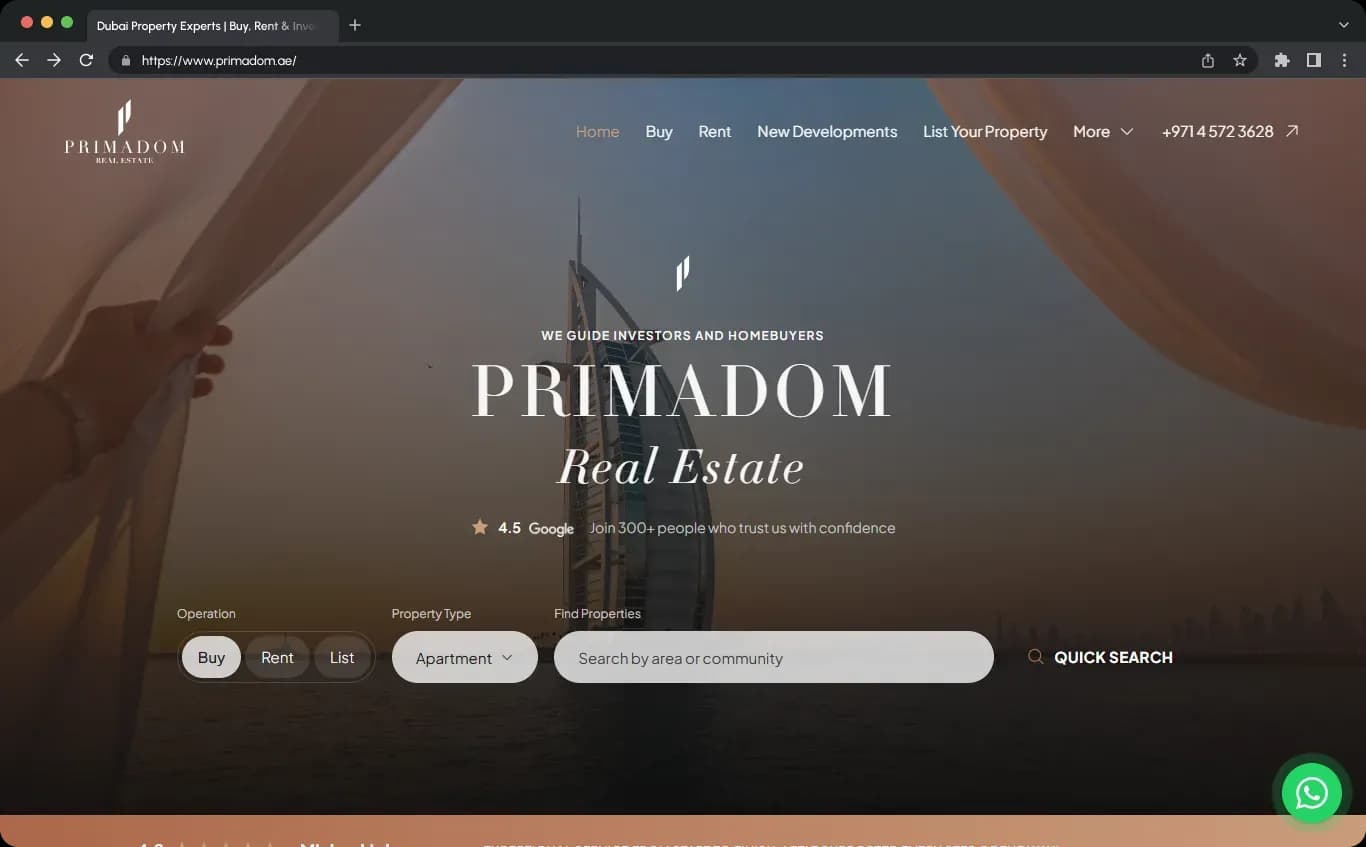
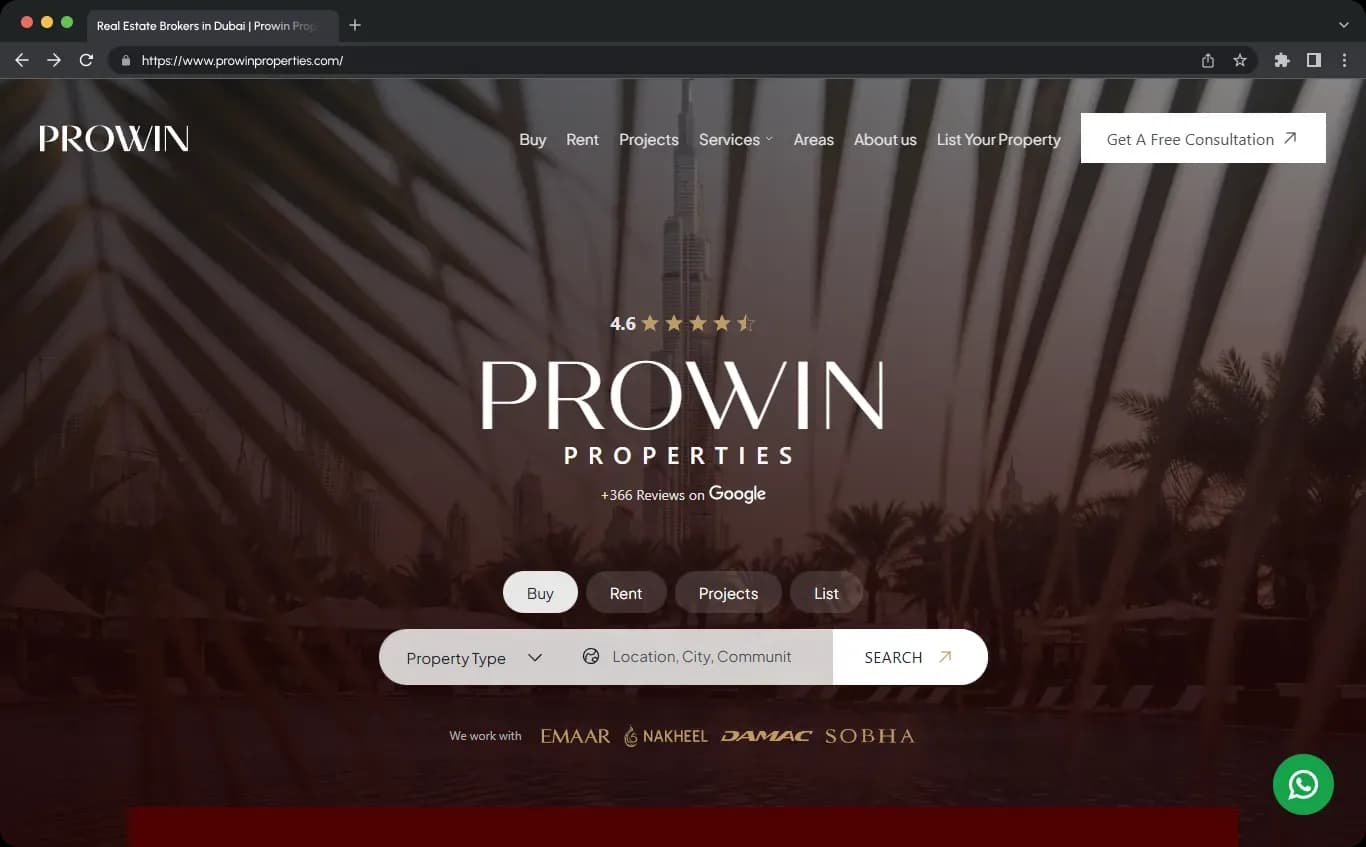
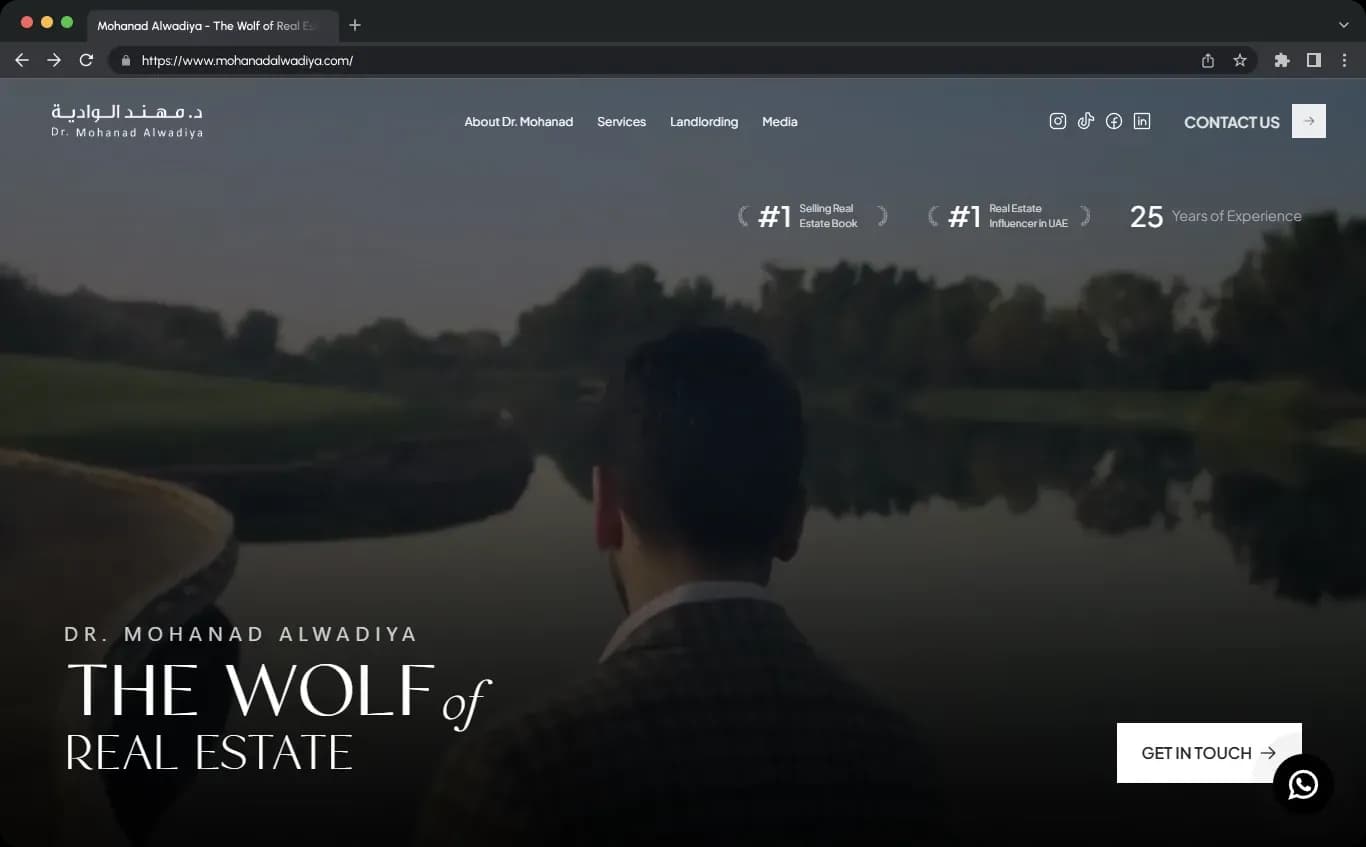
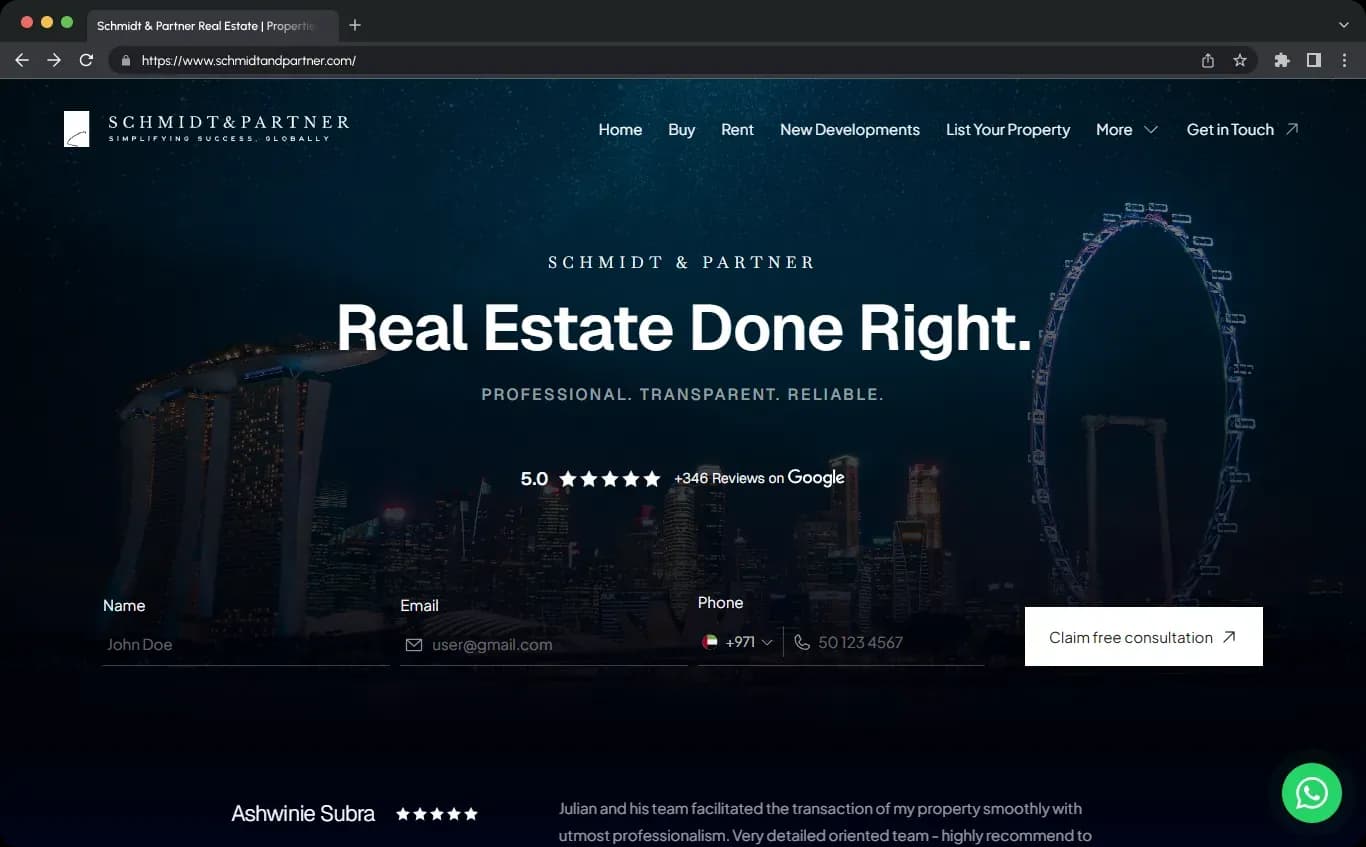
In real estate, great copy does far more than fill space under a listing photo. It helps us attract buyers, convert leads, build trust, strengthen our brand voice, and differentiate our business in a crowded market. When every agent uses the same adjectives, the same listing formula, and the same recycled phrases, the copy becomes invisible. If we want to outsell the competition, our words cannot sound like everyone else’s.
That is the real advantage of strong real estate copywriting. It is not about prettier wording. It is about better outcomes: more inquiries, stronger engagement, more listing appointments, better lead generation, and more confidence from both buyers and sellers. Whether we are writing property descriptions, real estate ads, website copy, social media captions, email campaigns, or real estate landing page copy, the standard is the same: every line should move people forward.
Copywriting for real estate is any persuasive writing used to market a property, an agent, or a brokerage. It includes much more than listing descriptions.
The purpose is not just to inform. The goal is to persuade someone to take a next step, such as booking a showing, requesting pricing details, contacting the realtor, exploring a virtual tour, or scheduling a valuation. That same persuasive mindset should appear even before a listing goes live. In practice, our copy is already selling in prospecting emails, listing presentations, follow-up messages, and objection handling. Strong copy does not wait passively. It creates momentum.
Real estate is emotional, even when the decision looks financial on the surface. Buyers imagine comfort, status, convenience, security, and identity. Sellers think about timing, uncertainty, profit, and stress. Investors think in terms of risk, tenant demand, flexibility, and return. That is why generic copy performs poorly. When every home is “stunning,” “charming,” and “must-see,” none of them stand out in the real estate market.
Effective real estate copy helps us:
Good copy also shapes perception. A polished, specific, human listing creates confidence before we ever speak to a prospect. Buyers and sellers may not consciously praise the wording, but they feel the difference between careful, persuasive copy and lazy, interchangeable copy.
The most important rule in real estate copywriting is understanding the target audience before writing a single sentence. We are not writing for “everyone looking for property.” We are writing for a specific buyer persona, seller profile, or customer segment with specific concerns, desires, and language.
Different audiences respond to different messages:
We should also think beyond demographics. A useful question is not just who is this for? but who does this person want to become? That shift strengthens our real estate brand messaging immediately. A buyer may not simply want a condo; they may want freedom, convenience, and a lifestyle that feels more aligned with their next chapter.
One of the most effective real estate copywriting formulas is to build the message around a single compelling idea. Too many listings and service pages suffer from what we could call “toss salad copy”: every feature gets thrown in, nothing is prioritized, and the message becomes forgettable.
Instead, we should choose one central promise and let everything support it. For example:
This focus makes our copy clearer, easier to remember, and more persuasive. If a listing tries to be about everything, it usually ends up being about nothing. The best conversion-focused copy for real estate is sharp, simple, and audience-aware.
Every property and every real estate service needs a unique value proposition. That is the differentiating element that gives a prospect a reason to care now rather than later. We should identify the top one to three standout features and bring them forward in the headline and opening lines.
A property’s unique selling proposition might be:
Specific details often come from paying attention to how people actually live in the home. The morning light in the kitchen, the quiet feel of the street despite the central location, or the nearby bakery everyone loves can be stronger than another empty “stunning” or “beautiful.” Those details make property marketing copy feel credible and memorable.
Too much real estate listing copy is written as if the audience were other agents instead of actual buyers. That is how we end up with all caps, MLS jargon, abbreviation overload, and dry feature dumps. Even when listing platforms limit character counts, there is no reason for our website copy, brochures, email copy, and social media posts to sound compressed and lifeless.
Accessible language wins because people connect with clarity, not jargon. If a normal person would never say it out loud, we should think twice before putting it in our copy.
Avoid patterns like:
We should write how we speak, just cleaner. That means conversational, confident, and professional. Human-centered real estate copywriting almost always outperforms robotic copy because trust lives in natural language.
Features describe what a property has. Benefits explain why that matters in daily life. This is one of the core real estate copywriting rules to outsell the competition because buyers respond to outcomes, not inventory lists.
| Feature | Benefit |
|---|---|
| Open-plan kitchen | Keeps the cook connected to family and guests |
| Finished basement | Adds flexible space for work, fitness, guests, or entertainment |
| Double vanity | Makes busy mornings easier for couples |
| Transit access | Shortens commutes and adds everyday convenience |
| Private patio | Creates a low-maintenance outdoor retreat for relaxing or hosting |
A practical editing test is to ask, “So what?” after every key feature. If we cannot explain why that feature improves life, we have not finished the copy yet.
Buyers can already see square footage, bedroom count, lot size, taxes, and the standard listing data. Our job is to do what the structured information cannot do: create emotional connection. This is where real estate storytelling matters.
Stories sell better than facts because they create mood, context, and memory. They help the buyer imagine a future version of life in the property. We are not just selling walls, windows, and appliances. We are selling comfort, pride, convenience, family life, entertaining, peace, aspiration, and possibility.
Instead of writing a dry inventory list, we can frame the story through:
That is what makes listing descriptions more persuasive. Property descriptions that sell do not merely report. They guide imagination.
One of the strongest ways to differentiate our real estate marketing copy is to write about the life around the property, not just the floor plan inside it. Buyers are often moving toward an idealized version of themselves. Great copy reflects that.
Instead of:
Spacious backyard with patio.
We can write:
A landscaped backyard designed for long summer dinners, weekend barbecues, and evenings that stretch well past sunset.
Instead of:
Walkable to shops and cafes.
We can write:
Start your mornings with a short walk to the neighborhood coffee shop, then spend weekends exploring local restaurants, parks, and boutiques just steps from home.
This kind of neighborhood-focused listing copy is especially effective in lifestyle-driven markets, luxury real estate copywriting, first-time buyer marketing, and downsizer messaging. It connects the home to identity, not just utility.
If we want persuasive property descriptions, we have to cut the dead language. Words like “gorgeous,” “luxurious,” “stunning,” and “must-see” are not automatically wrong, but they are so overused that they often fail to create any picture at all.
Specificity is trust. The more concrete the wording, the more believable the copy feels.
Weak: Beautiful 3-bedroom home with modern kitchen and large yard.
Stronger: This updated 3-bedroom home pairs a bright, modern kitchen with a generous backyard that offers space for entertaining, play, or a quiet evening outdoors.
Vivid language can draw on:
We do not need to become overly poetic. We just need to make the property tangible.
The headline is where real estate ad copy, listing copy, landing pages, and social posts either win or disappear. A good headline is clear, concise, and centered on the strongest value.
Good real estate headline examples usually do one of four things:
Examples:
For social media, shorter often works better. A compact, scroll-stopping line can outperform a long headline trying to summarize everything. The job of the headline is not to explain the whole property. Its job is to make people keep reading.
One subtle difference between weak copy and strong copy is momentum. Weak copy sits back and hopes people act. Strong copy moves them forward. That principle applies to listing descriptions, seller pages, follow-up emails, and listing presentation materials alike.
For example, when sellers hesitate and say they want to wait for some future moment, our messaging should not simply drift. Strong communication helps them evaluate best-case, worst-case, and likely scenarios so they can make a real decision. The lesson for copywriting is simple: our words should create movement, not just information.
That does not mean hype. It means using language that clarifies consequences, lowers friction, and points to the next step. Effective urgency in real estate sounds like guidance, not panic.
When we are writing real estate website copy or real estate landing page copy, one of the best frameworks is:
Pain point → empathy → solution → CTA
This works because prospects do not care only about our credentials. They want to know that we understand what they are dealing with.
Common pain points include:
Instead of bragging generically, we should solve a problem in the copy. That is usually more persuasive than endless self-congratulation about being “the best.” Relevance beats ego.
No piece of real estate persuasive writing should simply trail off. The prospect needs a next-step instruction. A strong call to action improves conversion rates because it removes ambiguity.
Strong real estate CTA examples include:
For seller-facing pages, lower-friction CTAs can work especially well:
The best CTAs are specific, visible, and easy to act on. On homepages, we should avoid cluttering the page with too many competing action prompts. One primary CTA and a few logical secondary options usually convert better than a wall of buttons.
Even strong writing underperforms if it is hard to scan. People still read, but they read differently now. They skim first, especially on mobile. That means formatting is part of copywriting, not an afterthought.
We should use:
This matters across listing pages, email copy, proposals, brochures, and blog content. Depth is still valuable, but the presentation has to respect how people consume content now.
Real estate SEO copywriting matters because many buyers and sellers begin their journey in search engines. But SEO copy for real estate should still feel natural and useful. We should write for humans first and optimize second.
The most practical SEO opportunities include:
Examples of long-tail keyword optimization:
That approach improves search visibility and attracts better-fit visitors. Keyword stuffing does the opposite. Strong SEO content should still sound like polished, audience-focused communication.
Not every piece of copy should sound the same. Real estate email copy, listing copy, website copy, and social media captions each have different jobs.
Listing copy should be descriptive, benefit-driven, and emotionally engaging.
Landing pages should focus on pain points, trust, process, and a clear CTA.
Social media copy should be short, catchy, story-led, and pattern-interrupting. Humor can work when it fits the brand. Dry facts usually do not. Light negative framing can also be effective when tasteful, such as “Why your home didn’t sell” or “Stop writing listing copy like a brochure.”
Email marketing works best when it is useful. Market updates, neighborhood spotlights, buying and selling tips, and local insights keep us top of mind until prospects are ready to act.
Testimonials should not sit on a page as decoration. They should reinforce our core message and answer objections. The best ones are specific and outcome-based.
Weak testimonial: Great agent, highly recommend.
Stronger testimonial: We were unsure whether to list before school ended, but the strategy was explained clearly, the timing was handled well, and the process felt organized from start to finish.
That kind of testimonial supports trust, urgency, process, and expertise all at once. It can strengthen listing presentations, seller pages, nurture emails, and paid ad copy.
Persuasive copy should never become misleading copy. Honesty builds trust and improves lead quality. If a home needs updates, we can frame that as potential without pretending it is something it is not. Transparent wording attracts better-fit inquiries and protects our reputation.
We also have to stay compliant with fair housing standards. That means focusing on property features, location benefits, and lifestyle context without referencing protected characteristics in a discriminatory or exclusionary way. Professional real estate copywriting is both persuasive and responsible.
Because it does. Typos, awkward grammar, random capitalization, broken formatting, and factual mistakes weaken credibility instantly. In a high-trust business like real estate, sloppy copy makes us look careless.
Before publishing, we should check:
Reading the copy out loud is one of the simplest ways to catch clunky sentences. If it does not sound natural, it probably will not convert well either.
AI real estate copywriting tools can be useful for brainstorming headline options, rough drafts, idea generation, and editing support. But AI should not become the voice of the brand. When overused, it tends to produce generic rhythm, bland openings, repetitive phrasing, and copy that sounds like everyone else.
The danger is sameness. If every agent uses the same prompts, newsletters, blogs, ads, and listing descriptions start to blur together. That is the opposite of what we want if the goal is to stay ahead of the competition.
The smartest approach is AI-assisted real estate copywriting, not AI-dependent copywriting. We can use AI for speed, then add what actually differentiates us:
A human copywriter for real estate, or a well-trained in-house writer, still has the edge when trust, specificity, and emotional nuance matter.
If writing is not one of our strengths, doing it all ourselves can be costly. Flat copy can damage perception, reduce conversions, and eat up time that should be spent on appointments, negotiations, and client service. A professional real estate copywriter can help with listing descriptions, SEO content, landing pages, email campaigns, ad copy, bios, brochures, and brand messaging.
The right support is especially valuable when we need:
Sometimes the smartest way to improve results is not to write more. It is to write better.
Weak: Beautiful 3-bedroom home in a great location with modern kitchen and large yard. Close to schools and shops. Must see.
Stronger: Set on a quiet street just minutes from schools, parks, and everyday shopping, this updated 3-bedroom home blends comfort with convenience. The bright kitchen opens to the main living area for easy mornings and relaxed evenings, while the generous backyard offers room to entertain, play, or unwind outdoors. Schedule your private showing to see why this home stands out.
The stronger version works because it is more specific, more visual, more benefit-driven, and more audience-aware. It also ends with a clear action prompt.
The agents and brands that outsell the competition are rarely just better at real estate operations. Very often, they are better at communicating value. They know how to sound personal instead of generic, how to create urgency without hype, how to solve problems instead of brag, and how to make buyers and sellers feel understood.
That is what master real estate copywriting looks like. It is clear, persuasive, vivid, honest, conversion-focused, and human. It uses storytelling, SEO, specificity, and strong calls to action to turn listings into conversion machines and websites into lead-generation assets.
If we want stronger real estate marketing results, we should stop treating copy as decoration. Better real estate copy builds trust, increases visibility, improves conversion rates, and gives us a real competitive advantage. In a market full of sameness, the words we choose can be the difference between being overlooked and being remembered.

Hey, in Propphy we're determined to make a business grow. My only question is, will it be yours?
It's totally free, with no commitments
Hey, in Propphy we're determined to make a business grow. My only question is, will it be yours?
It's totally free, with no commitments