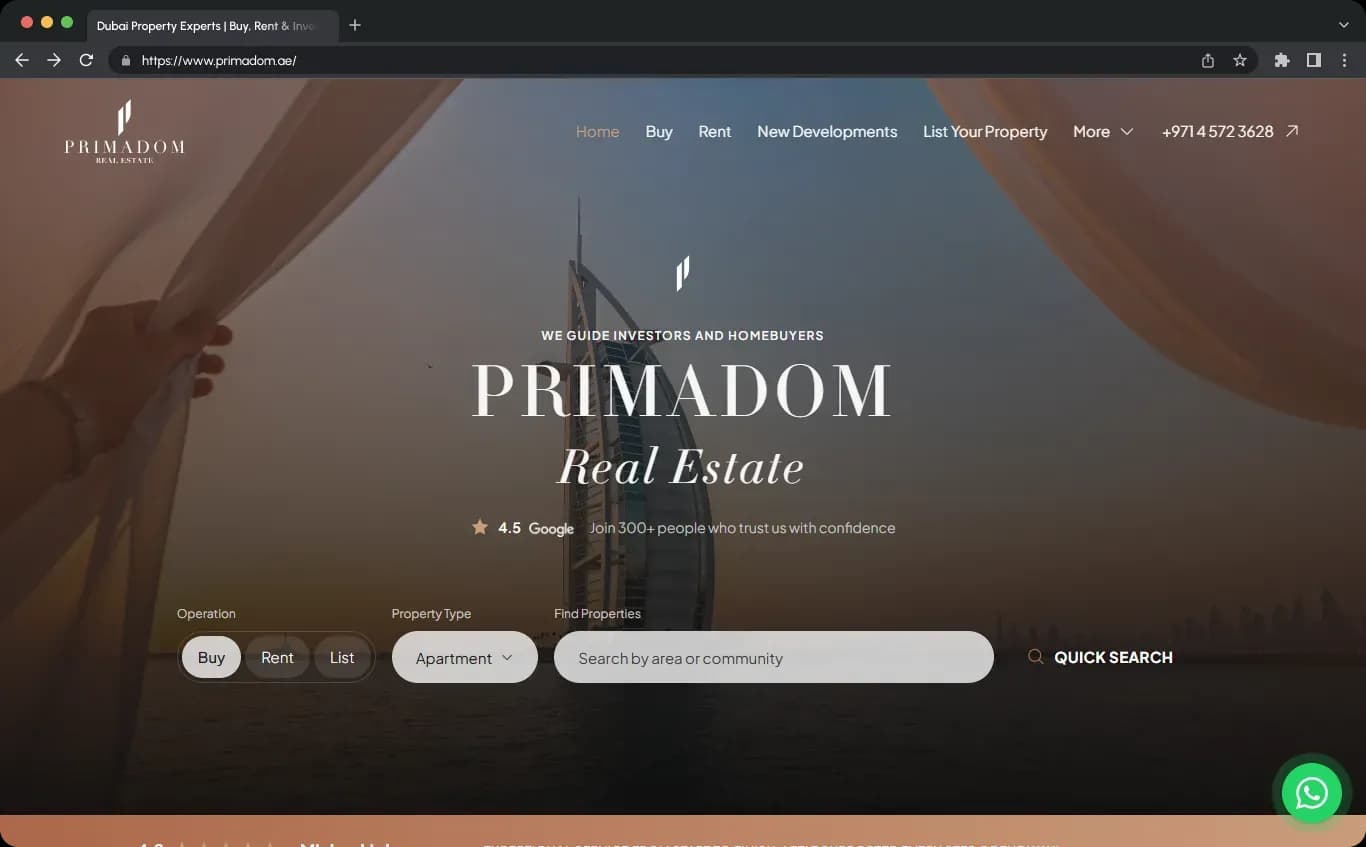
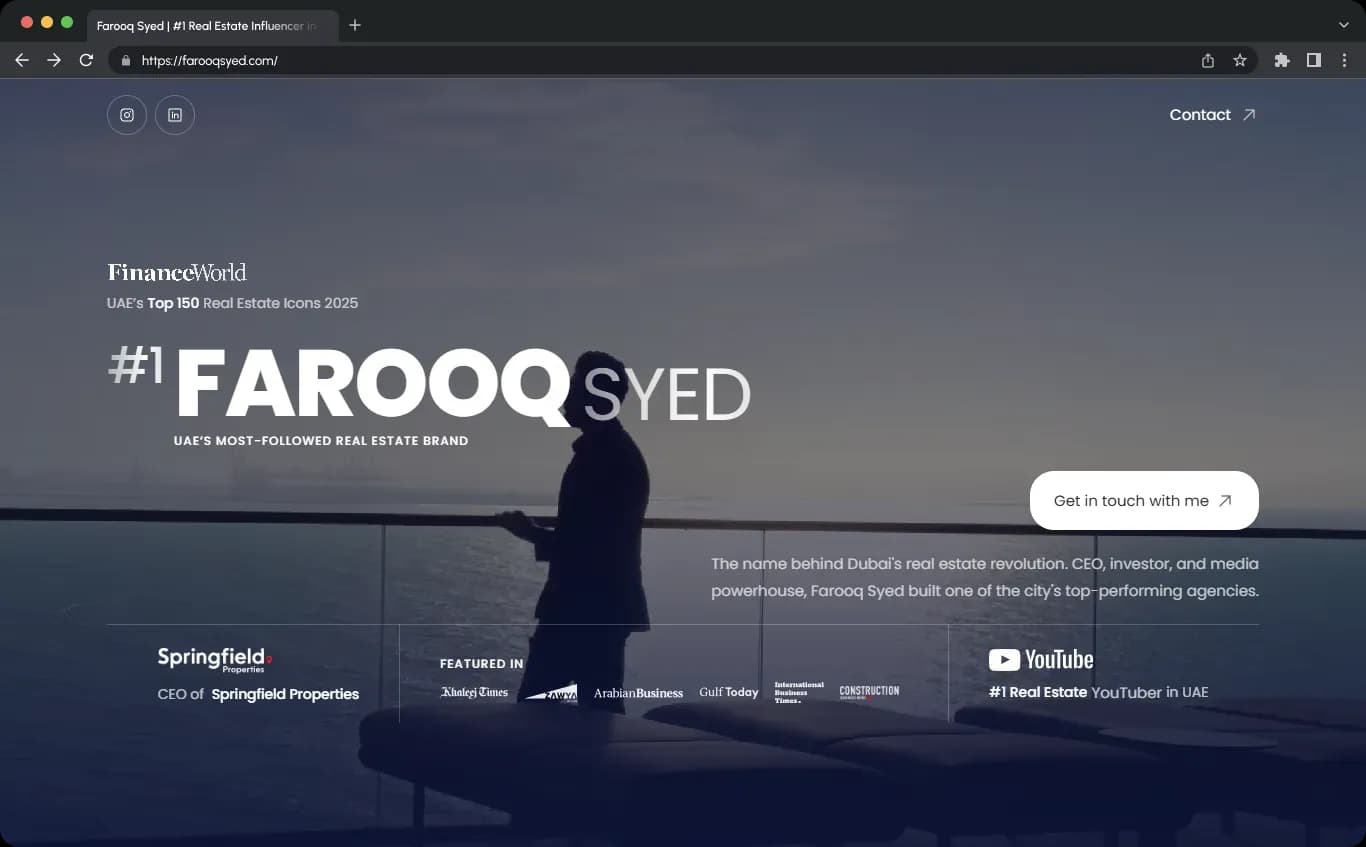
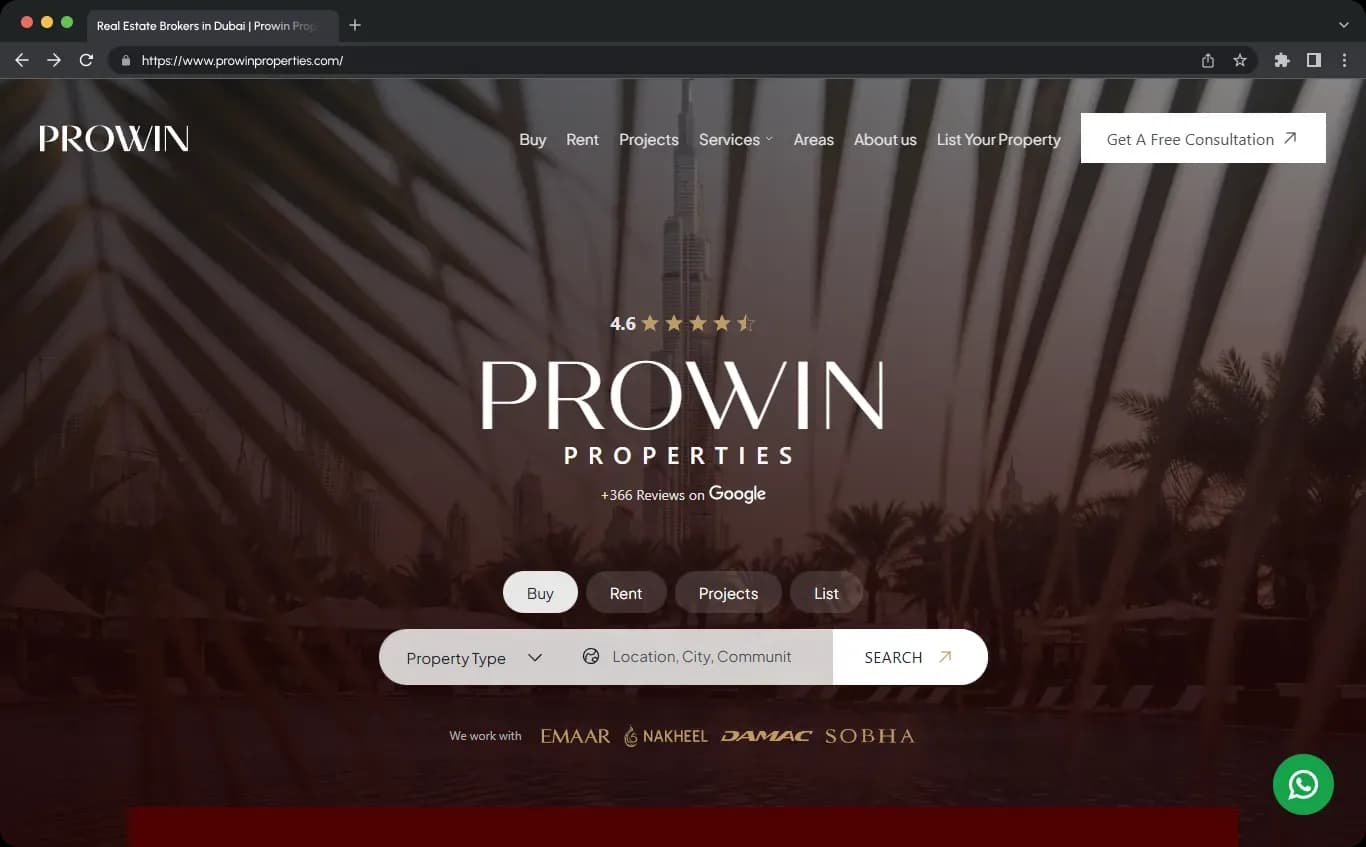
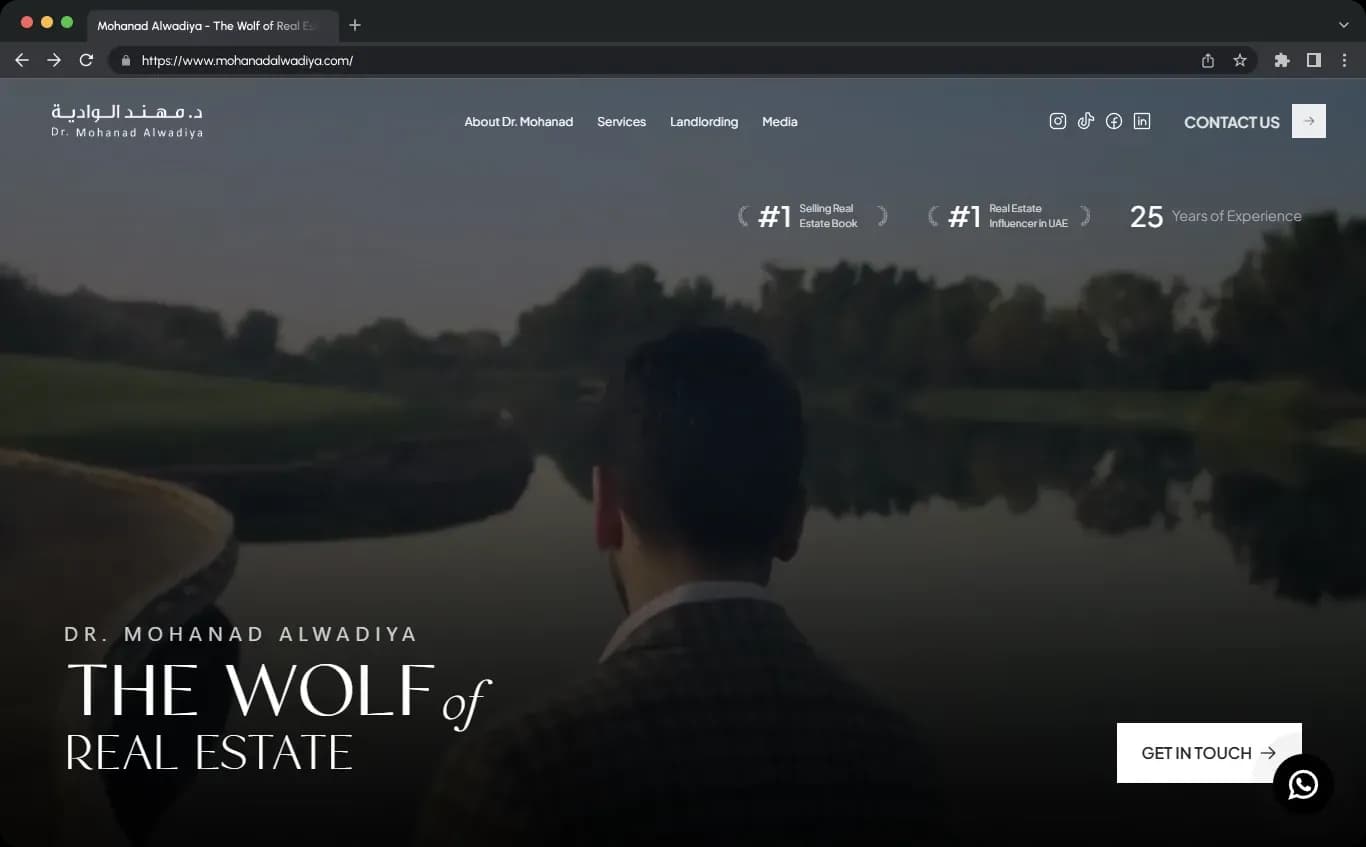
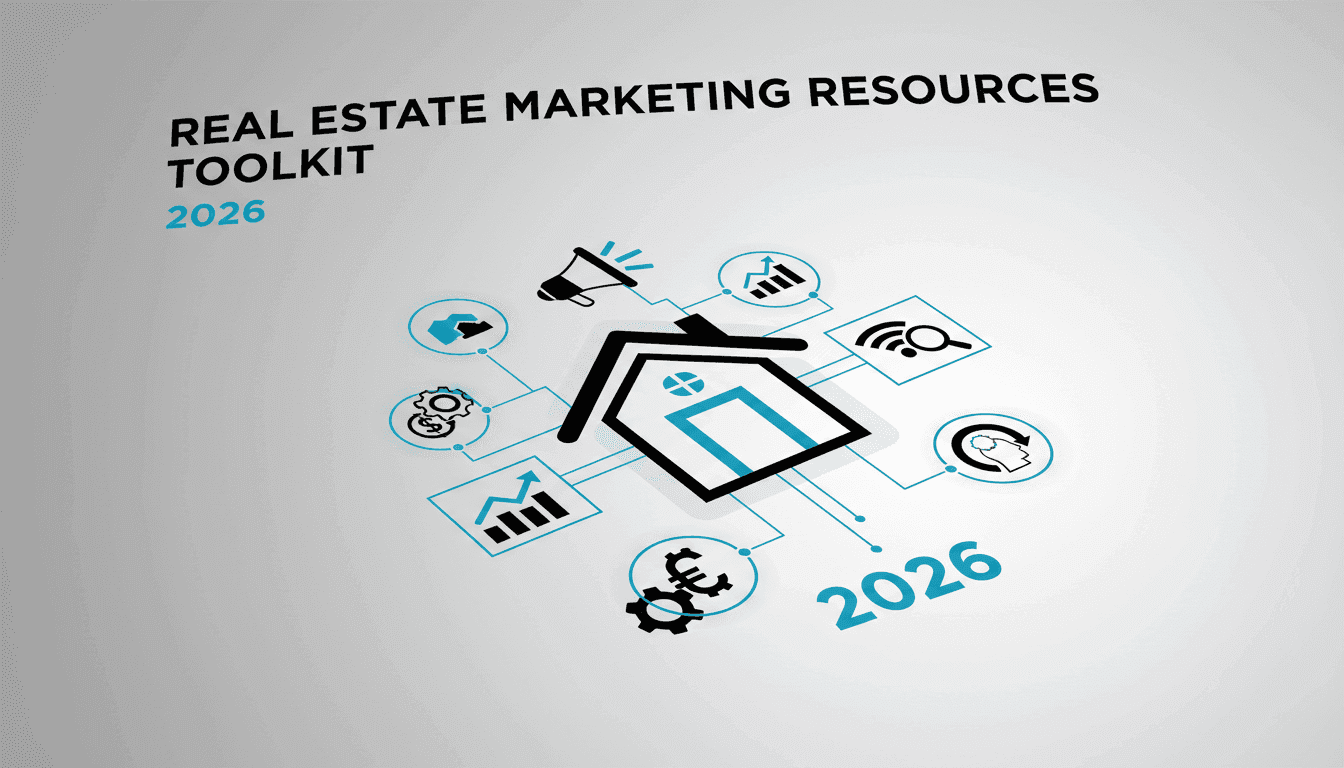
When we talk about “real estate marketing resources” today, we’re not just talking about a few flyers and a Facebook page. We’re talking about an entire operating system for your business: marketing materials, tools, templates, and systems that help us win more listings, attract better‑qualified buyers, and actually scale instead of constantly starting from scratch.
In this guide, we’re going to walk through the full landscape of real estate marketing resources—from must‑have print collateral to 3D tours, CRMs, AI tools, and brokerage marketing centers—and show how to stitch them together into a practical, repeatable system.
Real estate marketing resources fall into three main buckets:
Buyers start online, sellers interview multiple agents, and nearly every touchpoint is visual and digital. That means our real estate marketing collateral is often the first conversation clients have with us long before they pick up the phone. If our materials look generic or dated, we send the message that our service is, too.
The agents who are quietly pulling ahead right now are the ones treating these resources as a coherent system, not a pile of random tools. That’s the approach we’ll take here.
Let’s start with the non‑negotiable digital assets that form the backbone of modern listing marketing.
We want our listings to show up where buyers are actually looking:
High‑performing online listing marketing materials usually have:
On portals like Zillow, we increasingly lean on built‑in real estate marketing tools such as their 3D Home tour app to boost listing visibility and time on page—then we drive traffic back to our own ecosystem for lead capture.
A modern, mobile‑friendly site is no longer a “nice bonus”—it’s our virtual office. We’ve learned the hard way that if we don’t provide our own IDX search and market information, visitors simply bounce to the big portals and end up in someone else’s funnel.
At minimum, our agent website should:
We also pair the site with a fully optimized Google Business Profile so we show up in “realtor near me” searches and on Google Maps with consistent branding, photos, and reviews.
A blog or resource center turns our site into a real estate marketing asset rather than just a digital brochure.
We publish content like:
These articles power our SEO, give us content to share in newsletters and on social media, and serve as the backbone for lead magnets and digital brochures.
3D home tours have moved firmly into “expected” territory, especially with remote buyers. We like platforms such as Matterport Marketing Cloud because they embody the “capture once, publish everywhere” philosophy.
With a single 3D property scan, we can generate:
These become central real estate marketing assets that we embed on our site, upload to listing portals, promote on social media, and even link from print brochures via QR codes. The analytics built into an all‑in‑one real estate media platform like this let us see how long people engage with a property, which areas they explore most, and which channels drive the most activity.
Listing photos are our portfolio. We treat professional real estate photography as non‑negotiable because the perceived quality of the photos often equals the perceived quality of the agent in a seller’s mind.
We layer in virtual staging tools (such as Virtual Staging AI) when rooms are vacant or dated. This gives us multiple variations of each space for different buyer segments, and we use them across our online ads, digital brochures, and email marketing.
Interactive maps and area content transform our marketing from “here’s a house” into “here’s a life you can live.” We use interactive property maps to show:
We regularly repurpose this into neighborhood guides and interactive brochures to position ourselves as local experts and build a library of reusable real estate marketing materials.
Even with the best listing marketing tools, we still need resources that sell us as professionals. That’s where personal branding collateral comes in.
Headshots appear everywhere: website, business cards, digital listing presentations, social profiles, email signatures, yard sign riders, press features. We’re intentional about having high‑quality, on‑brand photos that reflect the way we actually show up with clients. Consistency across platforms is key; our headshot is a core piece of our personal brand toolkit.
Business cards remain one of the simplest, most effective offline real estate marketing materials. We treat them like mini billboards:
Premium finishes or unique formats can subtly signal quality in competitive listing situations, especially when they’re consistent with the rest of our print collateral.
Client testimonials are social proof that our marketing system works. We don’t just collect star ratings; we build mini case studies we can reuse as marketing resources:
We place these on landing pages, listing presentation materials, printed brochures, and social media graphics. Over time they become one of the most persuasive pieces of our real estate marketing collateral library.
Market reports and neighborhood guides do double duty: they educate clients and function as powerful lead magnets.
We consistently repurpose this content in email newsletters, social posts, listing presentations, and buyer consultations. Once created, these pieces become long‑lived real estate marketing assets we can lightly update each quarter or year.
Great listing materials are only half the battle; we also need a set of real estate marketing resources dedicated to capturing and nurturing leads.
We don’t try to be everywhere, but we do treat a handful of platforms as integral to our real estate marketing toolkit:
Across these platforms we rely heavily on reusable marketing templates (from tools like Canva, MAXA, or Venngage) so our posts, Reels covers, and thumbnails look consistent and on‑brand. Each profile includes a clear positioning statement (who we help, where, and how) plus a call‑to‑action pointing to our website, lead magnet, or online scheduling link.
Email marketing remains one of the highest‑ROI real estate marketing channels we use. We pair a CRM (such as Follow Up Boss or a brokerage‑provided platform) with a simple but consistent newsletter format:
Behind the scenes, we use segmentation and drip campaigns to nurture buyers, sellers, past clients, and investors differently. Templates for nurture emails become their own set of reusable marketing resources inside our CRM.
Lead magnets are a core piece of our real estate marketing resources because they turn anonymous traffic into leads. Examples we rely on:
We usually design these in Canva or a similar design tool, export as PDFs, and then convert the most important ones into interactive flipbooks (with FlippingBook or similar) so we can embed video, maps, and links and track who’s actually reading them.
Friction kills conversion. We use scheduling tools like OnceHub to let prospects book appointments without endless back‑and‑forth. These links live on our website, in email signatures, and in our social bios. In practice this has been one of the easiest marketing resources to implement with a disproportionate impact on lead conversion.
Print marketing materials are still crucial, especially in local farming and with seller demographics who appreciate something they can hold.
We treat property brochures and feature sheets as core listing marketing materials. A typical brochure includes:
We design these using templates (Canva, MAXA Designs, or brokerage template libraries) and often mirror them digitally using interactive real estate brochures created with FlippingBook or similar tools. That way, one design feeds both print and digital channels.
Branded folders, listing presentation booklets, and printed marketing plans serve as tangible proof of our process. We fill them with:
These pieces are essentially “leave‑behind” real estate marketing assets that continue selling us after we leave the appointment.
Custom yard signs and directional signs are classic offline marketing resources that still work extremely well when they’re thoughtfully designed. We focus on:
Open house signs and directional arrows support both showings and brand awareness. When used consistently across listings, they increase the perception that “we’re everywhere” in a given neighborhood.
Direct mail and neighborhood farming remain powerful real estate marketing strategies when we tie them into our digital system. We use:
Each campaign is tracked using unique phone numbers (with tools like CallAction) or unique short URLs so we actually know which print marketing materials generate calls and leads.
Modern real estate marketing is highly visual and increasingly immersive. We lean on a set of specialized tools to create standout listing media.
We’ve already mentioned Matterport Marketing Cloud, but it’s worth restating how transformational these all‑in‑one real estate media platforms can be. They let us:
This “capture once, publish everywhere” approach is a big part of how we streamline our listing marketing workflow while actually increasing quality.
We combine 3D assets with other visual marketing resources:
Each video doubles as both listing marketing collateral and evergreen content that supports our brand and future listing presentations.
Beneath all of these materials is the real estate marketing tech stack—our toolkit for creating, distributing, and tracking marketing assets.
We rely on these tools to maintain branding consistency and speed. Over time, our template library becomes one of the most valuable real estate marketing resources we own because it lets us execute quickly without reinventing designs.
Platforms like FlippingBook transform static PDFs into interactive real estate brochures:
We use these for digital listing presentations, market reports, new development decks, and premium property brochures that we can share via link or QR code.
A good real estate CRM is the nerve center of our marketing system. Tools like Follow Up Boss (and similar real estate CRMs) allow us to:
We augment the CRM with tools like CallAction to track call‑based campaigns and OnceHub or similar for appointment scheduling. Collectively these platforms form a real estate marketing system, not just a list of tools.
To stay consistent on social without living in the apps 24/7, we incorporate:
These become especially important when we’re running omnichannel real estate marketing campaigns that involve multiple agents, markets, and content types.
Branding and compliance shape how we present ourselves and ensure our marketing materials align with industry and legal standards.
Many modern brokerages now provide a centralized marketing center or real estate marketing portal. A good marketing center typically includes:
Where our brokerage doesn’t offer a robust marketing center, we replicate the concept by building our own “agent marketing hub” in cloud storage: a structured folder full of brand assets, templates, and checklists so every new piece of marketing collateral aligns with our personal brand.
The National Association of REALTORS® maintains a deep library of marketing resources that we treat as ongoing education:
We tap these resources when dialing in our positioning, creating new marketing campaigns, or upskilling on specific areas like AI‑assisted marketing or future‑focused digital strategies.
Owning a pile of tools isn’t useful unless we connect them into a repeatable system. We’ve found it helps to organize our real estate marketing resources around a simple plan.
We start with:
Our marketing plan then dictates which real estate marketing resources we prioritize first and which we add over time.
The most effective campaigns blend print and digital instead of treating them separately. We intentionally connect offline marketing materials to digital experiences:
This hybrid print‑digital strategy lets us track engagement and conversions from traditional channels while giving clients a more immersive journey.
To avoid reinventing the wheel on every listing, we build a standard listing marketing system. For each new property we aim to create:
Most of the work becomes plug‑and‑play with our existing templates and tools, which is exactly the point of building a robust library of real estate marketing resources.
Finally, we connect our marketing collateral to our CRM and analytics stack so leads don’t slip through the cracks and we know which resources deserve more investment.
Over time, we refine our real estate marketing toolkit based on clear data rather than guesswork.
When we step back, the ideal real estate marketing resource ecosystem looks something like this:
With this structure in place, every listing and every piece of content we create plugs into a larger real estate marketing system instead of living as a one‑off effort. That’s how we win more listings, attract better‑qualified clients, and build a brand that compounds year after year.

Hey, in Propphy we're determined to make a business grow. My only question is, will it be yours?
It's totally free, with no commitments
Hey, in Propphy we're determined to make a business grow. My only question is, will it be yours?
It's totally free, with no commitments