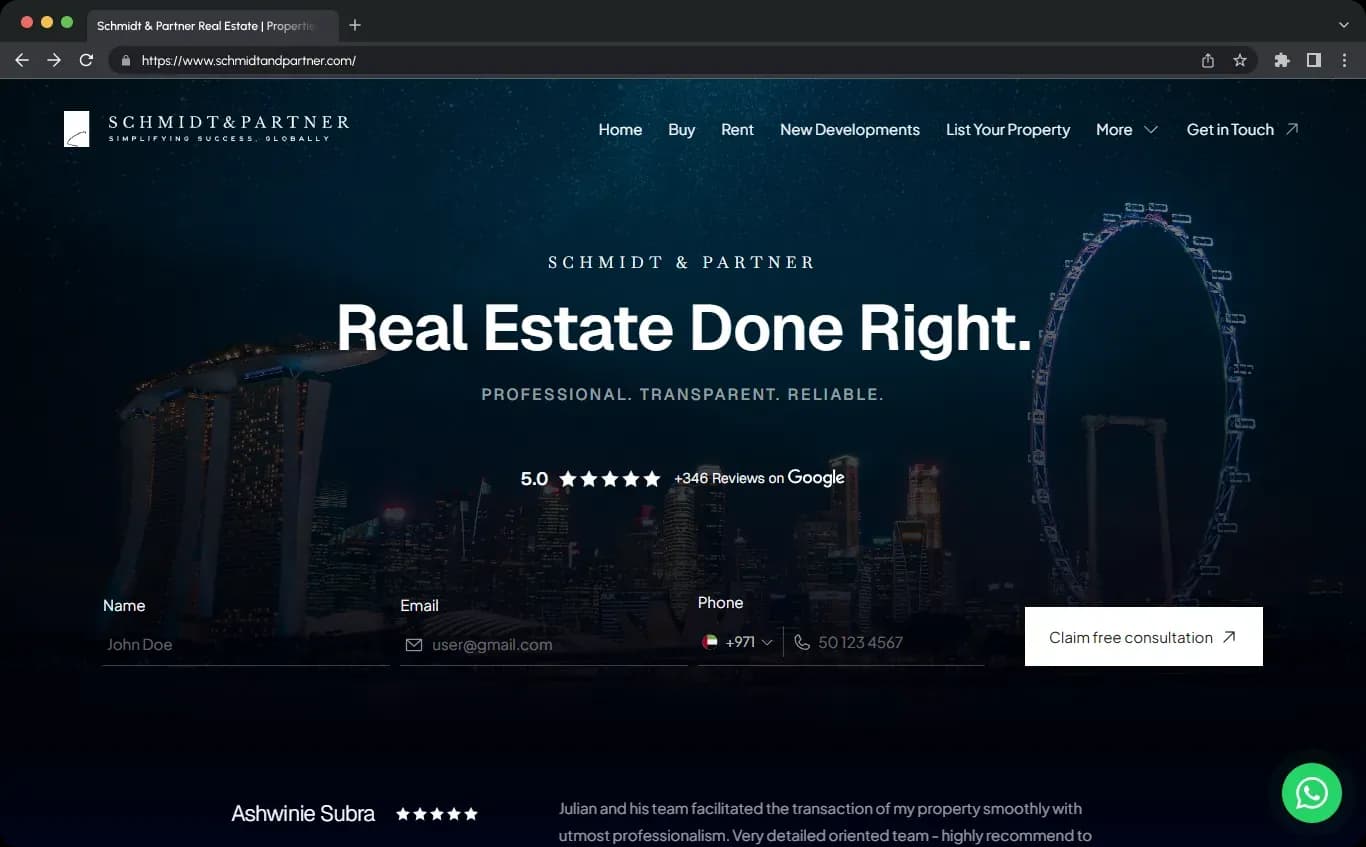
Real estate testimonials do a lot more than fill space on a website. They build trust, create credibility, support referrals, and help future buyers and sellers understand what it is actually like to work with a real estate agent. In an industry built on relationships, communication, negotiation, and confidence, testimonials often become the proof behind the promise.
When people are buying or selling a home, they are not just hiring someone to handle paperwork. They are choosing a professional to guide them through pricing, timing, marketing, offers, closing dates, and stressful decisions. That is why client testimonials, real estate reviews, and agent reviews carry so much weight. They answer the questions prospects are already asking: Can we trust this agent? Are they responsive? Do they know the local market? Will they protect our best interests?
We also need to be honest about something: many customer testimonials sound interchangeable. Phrases like great experience, very professional, and highly recommend are positive, but they rarely explain what made the service memorable. The strongest real estate testimonials are specific. They show what happened, how the agent responded, and why the client felt supported.
Testimonials are one of the strongest forms of social proof in real estate. A polished bio or listing presentation can say all the right things, but third-party feedback from real clients is more persuasive because it feels earned. That is especially important in a market where many agents offer similar services and similar claims.
Strong client reviews help us do several things at once:
In other words, testimonials are not just compliments. They are marketing assets. A satisfied client can create long-term value far beyond one transaction, especially when that feedback is visible on a website, Google Business Profile, Zillow, Facebook, Yelp, and other channels where prospects do their online research.
People trust what past clients say because testimonials reveal what service looked like in real life. A good review does not simply say an agent was knowledgeable or easy to work with. It shows how that knowledge and professionalism appeared during the transaction.
For example, a vague review might say an agent was patient. A stronger testimonial explains that the home buyers searched for more than a year, changed direction several times, and still felt guided rather than pressured. That kind of detail turns praise into proof.
The same is true with responsiveness. Saying an agent communicated well is fine. Saying they answered every question quickly, showed up on weekends, and stayed calm during a time-sensitive offer tells us something much more useful. That is the kind of feedback future clients remember.
The best real estate agent testimonials tend to share the same qualities. Whether they are written reviews or video testimonials, they work because they feel authentic, relevant, and specific.
Specificity is what makes trust possible. The most persuasive testimonials often include concrete moments such as:
These details are powerful because they are difficult to fake and easy to understand. Instead of sounding like advertising, they sound like lived experience.
The strongest customer reviews are usually not just about the house. They are about what was happening in the client’s life while they were buying or selling a home. That may include relocation, downsizing, a growing family, a tight deadline, or moving closer to relatives after decades in one place.
That context matters. A testimonial becomes more persuasive when it shows the agent helping people through uncertainty, pressure, or change. For example, a seller who had to pack up a nursery while pregnant does not remember only the fast sale. She remembers whether the agent made a chaotic moment manageable. That is what future clients want to know.
Trust is one of the most repeated themes in realtor reviews, but it is most believable when the client explains how it was earned. Often that comes down to a few things:
One of the most revealing patterns in home buyer testimonials and home seller testimonials is that clients often remember not flashy branding, but small acts of reliability. Did the agent answer? Did they explain clearly? Did they show up when things got difficult? Did they guide rather than push? Those are the moments that create strong client feedback.
Across the best real estate reviews, the same qualities appear again and again. These are the traits that make testimonials useful in both marketing and decision-making.
Real estate transactions move fast, and delays create stress. Clients consistently value agents who respond quickly, answer every question, and remain accessible throughout the process. A responsive agent helps reduce fear and brings peace of mind.
Professional, honest, thorough, organized, and reliable are common words in strong reviews. Professionalism matters because clients want to feel that every detail is being handled with competence, especially in a high-stakes transaction.
Local market expertise is one of the most important trust signals in real estate testimonials. Buyers and sellers want confidence that their agent understands neighborhoods, pricing strategy, market analysis, condo market conditions, and what it takes to compete or stand out in the area.
Many of the most persuasive testimonials mention negotiation directly. Clients notice when an agent secures better timing, stronger terms, a favorable selling price, or the right strategy on an offer. In fact, some of the strongest reviews do not just say the agent was skilled; they explain that the agent knew when to push, when to step back, and how to protect the client’s interests.
Clients want a trusted advisor, not someone trying to force a deal. Reviews that mention an agent being candid, supportive, and not high pressure are especially effective because they address a real fear many prospects have before reaching out.
Buying and selling a home is emotional. That is why words like calm, supportive, patient, and easy show up so often in customer testimonials. Clients remember how an agent made them feel during stressful moments just as much as they remember the result.
If we want testimonials that actually convert, we should look for a simple structure. The best ones usually include four parts:
For example, a strong testimonial may describe a relocation after 30 years in another state, mention the anxiety of arriving in a new place, explain that the Realtor arranged practical details before move-in, and end with the client feeling welcomed and settled. That works because it tells a story, not just a conclusion.
A weak testimonial says, “Great agent, highly recommend.” A better one says, “We were moving from out of state, overwhelmed by timing and logistics, and our agent coordinated details before we arrived, communicated constantly, and made the transition feel manageable.”
Both written reviews and video testimonials have value, and ideally we should use both.
Written client reviews are easier to collect and easier to repurpose. They work well on:
Video adds tone, expression, emotion, and personality. It can be especially persuasive when it feels natural rather than scripted. The best video testimonials usually sound like people remembering what happened, not reciting ad copy.
Effective video testimonials often follow a simple arc:
That format works because it is relatable. Whether the client is a first-time buyer, a downsizer, an investor, or an out-of-state buyer, the story helps prospects imagine what their own experience might be like.
One of the biggest mistakes agents make is waiting and hoping reviews appear on their own. If testimonials matter to the business, we need a process for asking.
It helps to introduce the idea of reviews early in the relationship so clients know feedback matters. Then mention it again at positive milestones, especially when they express gratitude or relief. The best time to ask is often when satisfaction is already visible: after an accepted offer, after a difficult negotiation goes well, or right after closing.
If we want more Google reviews, Zillow reviews, or Facebook reviews, we should provide direct links and simple instructions. Every extra step reduces completion rates.
We can help clients write stronger testimonials without putting words in their mouths. Instead of saying, “Can you leave a 5-star review?” it is better to ask questions that bring out real detail:
These prompts tend to produce better client experiences in testimonial form because they bring out stories, not just adjectives.
Testimonials should not live in only one place. A strong review strategy spreads social proof across multiple touchpoints.
Your website should be the main home for client testimonials. This gives you control over how they are organized and displayed. A strong testimonials page can include buyer reviews, seller reviews, video testimonials, and reviews grouped by property type, neighborhood, or transaction type.
Google reviews are especially valuable because they support both trust and search visibility. Zillow, Facebook, and Yelp can also matter depending on your market and audience. A healthy mix of review sources strengthens credibility.
Testimonials are powerful in listing presentations because they validate claims about pricing, market analysis, digital marketing campaigns, communication skills, and negotiation results. A seller may hear what we say about our service, but they often believe it more when they see what previous clients say.
Real estate testimonials can be reused in:
Even one strong quote about local market knowledge, responsiveness, or customer service can add meaningful social proof to a campaign.
The most convincing testimonials are rarely memorable because they are polished. They are memorable because they are human. Specific stories do more for trust and credibility than generic praise ever can.
For example, a testimonial becomes stronger when a client explains that the agent:
These details matter because they reveal how service felt on the receiving end. They show patience, advocacy, responsiveness, and problem-solving without needing to say those words repeatedly.
Testimonials help at every stage of the decision process. Early on, they support discoverability and trust. Later, they reduce hesitation and make it easier for prospects to reach out. After the transaction, they help create referrals and repeat business.
That is why a large collection of varied real estate agent testimonials is so valuable. Different prospects want different proof:
The more scenarios your testimonials reflect, the easier it is for a future client to think, “That sounds like me.”
If we are reading real estate reviews as consumers, the goal is not just to find 5-star reviews. It is to understand the experience behind the rating.
The most useful testimonials reveal:
Sometimes a smaller number of detailed client reviews can be more helpful than hundreds of generic endorsements. Broad praise is nice, but detailed social proof gives us a better sense of fit.
The power of testimonials comes down to one thing: they let future clients see the agent through the eyes of someone who has already trusted them. That is why the best real estate testimonials do more than say an agent was professional or responsive. They show what that professionalism looked like when life was complicated, stressful, or deeply personal.
In the end, great testimonials are built on real situations, clear outcomes, and emotional truth. They explain what challenge the client faced, what the agent did, and why the experience felt right. That is what builds trust. That is what supports referrals. And that is what turns client feedback into one of the most effective forms of real estate marketing available.
If we want testimonials that truly work, we should aim for substance over slogans, proof over polish, and stories over generic praise. That is what future clients are really looking for when they search for real estate testimonials, client reviews, and realtor reviews.

Hey, in Propphy we're determined to make a business grow. My only question is, will it be yours?
It's totally free, with no commitments
Hey, in Propphy we're determined to make a business grow. My only question is, will it be yours?
It's totally free, with no commitments